Plant guide
Jasminum sambac
Jasmine
Expert care guidance for a thriving home jungle
Why plant parents love it
Jasmine, commonly known as Mogra or Chameli in India, is a beloved perennial flowering shrub prized for its intensely fragrant white blooms. Deeply rooted in Indian cultural traditions and everyday garden life, its intoxicating sweet aroma fills outdoor spaces, particularly during warm summer evenings.
This fast-growing woody shrub thrives exceptionally well in tropical and warm Indian climates. Given sufficient direct sunlight and proper care, Jasmine flowers prolifically in repeating cycles from spring through the monsoon season.
Whether cultivated in ground beds, traditional clay pots, or balcony containers, Jasmine brings timeless charm, natural fragrance, and low-stress greenery to any sunny Indian home.
Ready to grow with CareMyPlant?
Shop a healthy specimen, then unlock care reminders and Plant Doctor support in your garden.
Water
Keep the rhythm simple
Water thoroughly when the top 1-2 inches of soil feel dry. Requires more frequent watering in summer; reduce during winters.
Light
Find its happy spot
Requires 4 to 6 hours of direct sunlight daily for best flowering.
Soil
Roots that breathe
Well-draining, fertile loamy soil enriched with organic compost (pH 6.0-6.5).
Feed
Gentle growth fuel
Feed with organic compost or mustard cake liquid fertilizer every 2-3 weeks during spring and monsoon.
Pro tips
Small habits that keep Jasmine looking shop-fresh at home.
Stay ahead of trouble
Jasmine Bud Worm
highThe Jasmine Bud Worm is one of the most destructive pests affecting Jasmine (Mogra and Jai) plants across Indian gardens. The tiny pale-green caterpillars bore into unopened flower buds, eating the delicate petal tissue inside and leaving ruined, hollowed-out buds that turn a dull pinkish-brown color before falling off. Beginners often notice fine silky webbing tying bud clusters together, small entry holes near the base of the stems, or tiny black droppings (frass) left on the foliage. Instead of enjoying fragrant white blooms, the plant is left with stunted, brown-tipped buds that fail to open. In Indian balcony gardens, high humidity during the monsoon season and warm, stagnant air create ideal conditions for adult moths to lay eggs on tender stems. Keeping foliage dry, ensuring good air circulation, and taking action at the first sign of webbing will save your bloom season.
Keep exploring
More plant profiles to help you build a thriving indoor jungle.
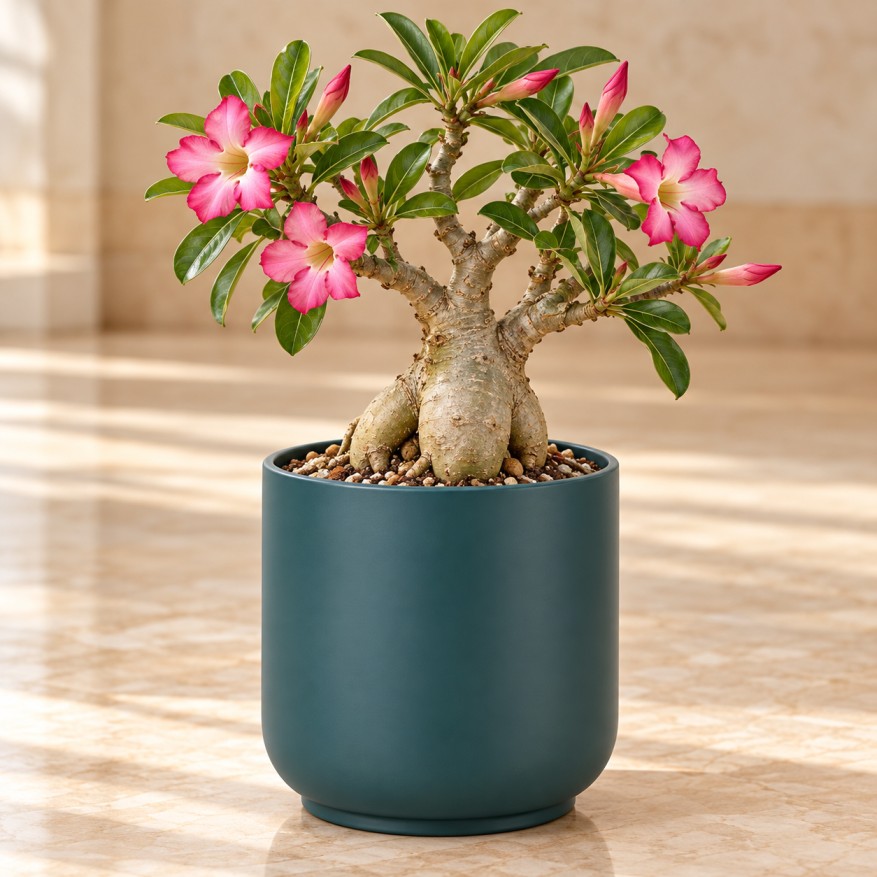
Adenium obesum
Water thoroughly only when the soil is completely dry. In summer, water once or twice a week; drastically cut back during winter and shield from heavy monsoon rain.
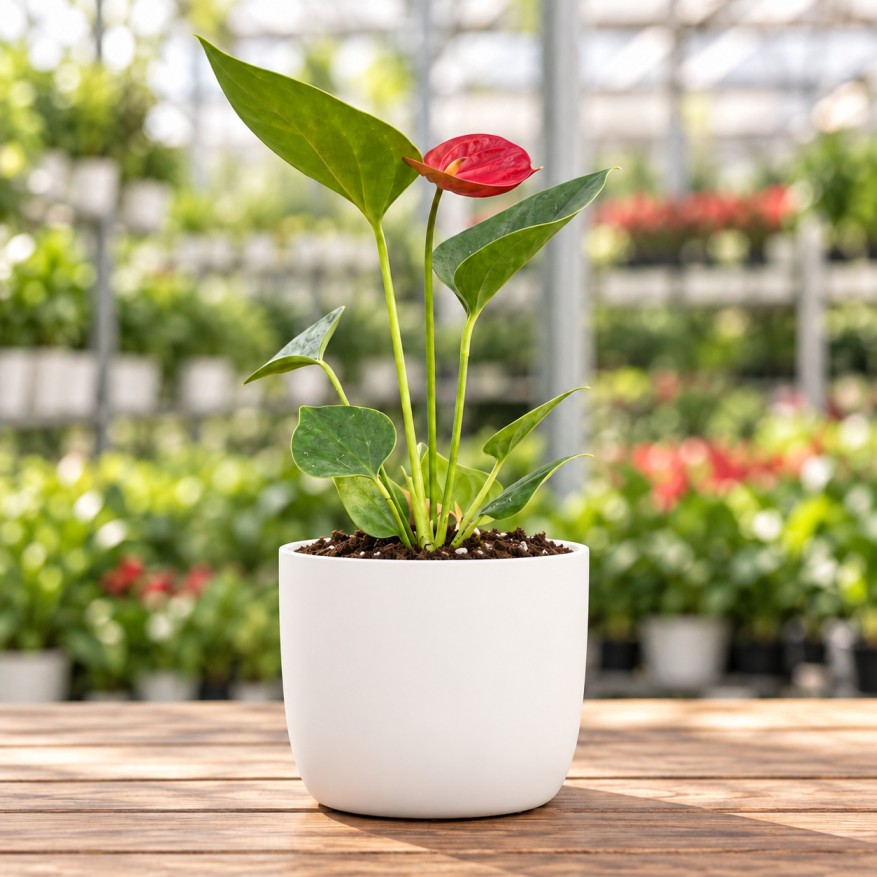
Anthurium andraeanum
Water every 3–5 days when the top inch of soil feels dry. Keep soil consistently moist but never waterlogged. Reduce watering during monsoons.
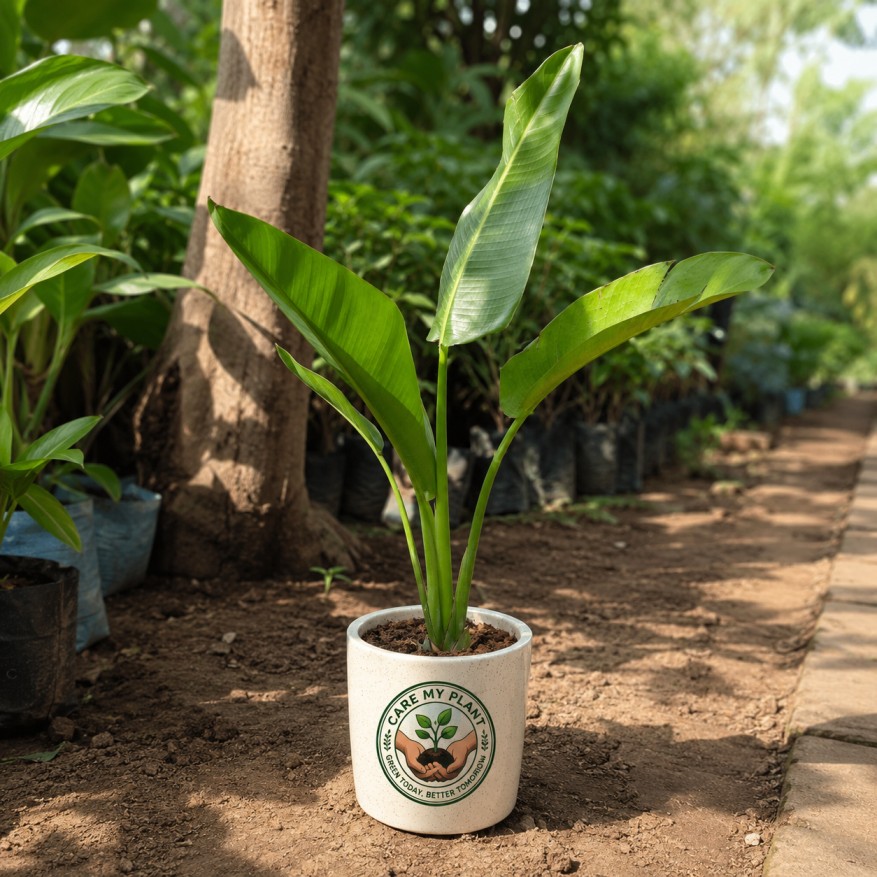
Strelitzia reginae
Water thoroughly, allowing soil to dry slightly between waterings
Demo Bougainvillea
Water when the top 2–3 cm of soil feels dry (about once a week in warm months).
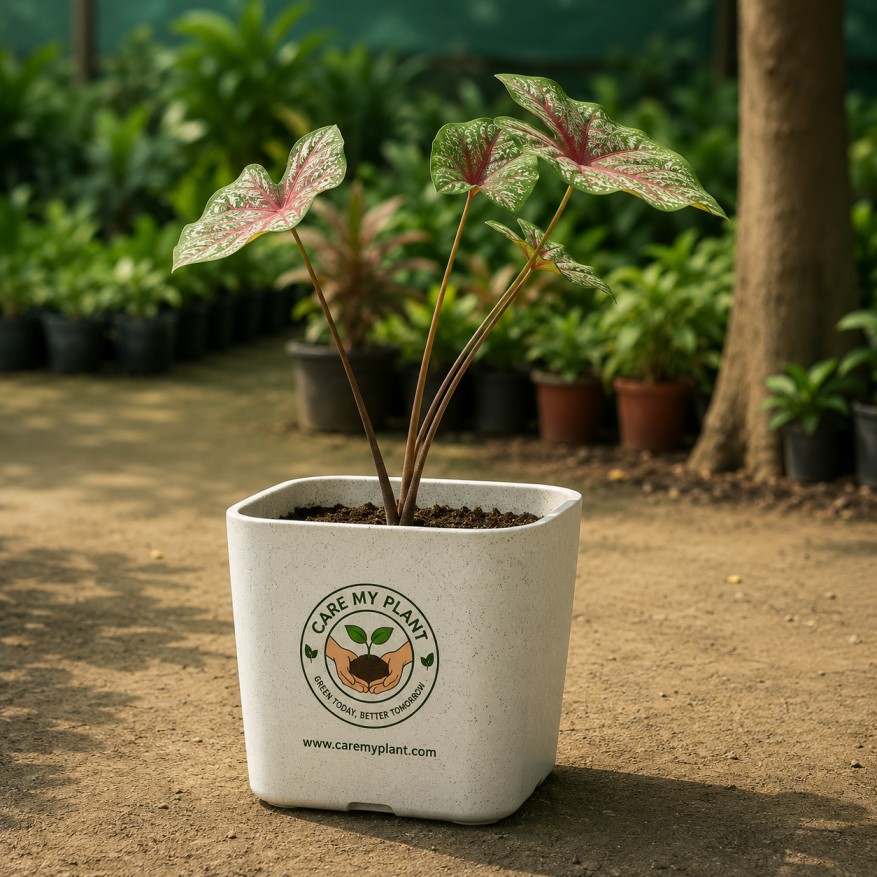
Caladium bicolor 'White Queen'
Water when the top inch of soil feels dry. Keep soil evenly moist during spring and monsoon, reducing sharply during winter dormancy.
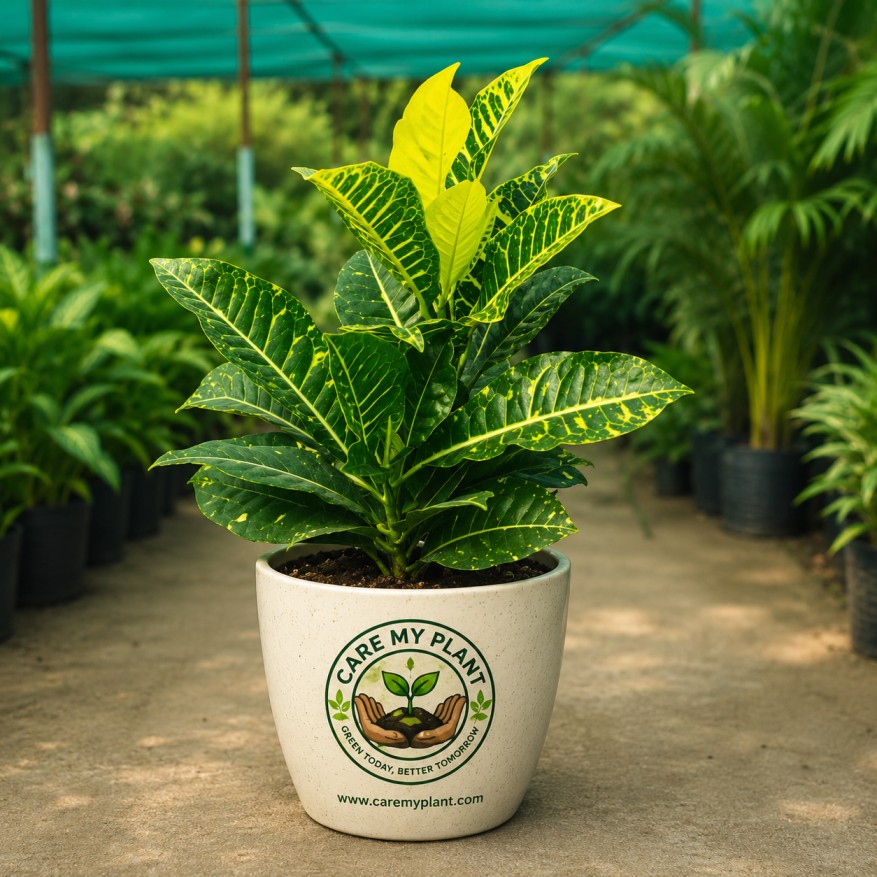
Codiaeum variegatum 'Petra'
Water when top 1-2 inches of soil feel dry. Keep soil consistently moist, but avoid waterlogging. Water 2-3 times a week in summer and less in winter.
Next step
Shop curated stock, register it in your garden, and get care reminders tailored to this species.
