Plant guide
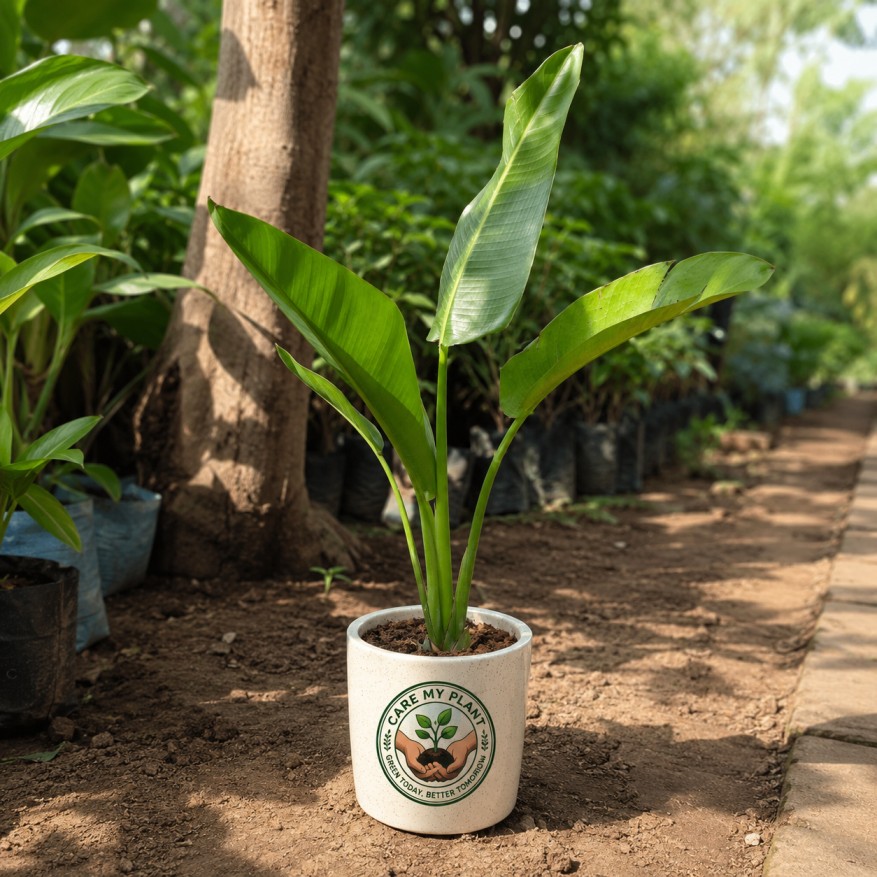
Strelitzia reginae
Why plant parents love it
The Bird of Paradise is a striking and exotic plant native to South Africa, known for its vibrant orange and purple flowers that resemble a bird's beak. It is a popular choice for indoor and outdoor spaces due to its unique appearance and relatively low maintenance requirements. The plant can grow up to 6 feet tall and has large, flat leaves that are a deep green color.
In Indian homes, the Bird of Paradise can thrive in bright, sunny areas with good air circulation. It is also a great choice for outdoor spaces, such as balconies and gardens, where it can receive full sun to partial shade.
The Bird of Paradise is also known for its ability to purify the air and improve the aesthetic of any space. With proper care, it can bloom throughout the year, producing multiple flowers that can last for several weeks.
Ready to grow with CareMyPlant?
Shop a healthy specimen, then unlock care reminders and Plant Doctor support in your garden.
Water
Keep the rhythm simple
Water thoroughly, allowing soil to dry slightly between waterings
Light
Find its happy spot
Full sun to partial shade
Soil
Roots that breathe
Well-draining potting mix
Feed
Gentle growth fuel
Fertilize monthly during growing season
Pro tips
Small habits that keep Bird of Paradise looking shop-fresh at home.
Shop the look
Live plants linked to this guide — healthy stock, ready for your space.
Stay ahead of trouble
Bird of Paradise Leaf Curling
mediumLeaf curling in Bird of Paradise (Strelitzia) is a common defensive reaction to environmental stress. The plant rolls its broad leaves inward to conserve moisture and protect itself from intense heat, low humidity, or root distress. Beginners typically notice the edges of the long leaves curling inward toward the central vein, making the leaves look like tubes or tight rolls rather than flat, open paddles. In severe cases, the tips may turn brown and crispy. In Indian households, this often happens in dry air-conditioned living rooms during summer or when plants are exposed to harsh, direct afternoon sun on balconies. Conversely, during the monsoon season, overwatering can damage the roots, preventing the plant from taking up water and causing the leaves to curl from thirst despite wet soil.
Keep exploring
More plant profiles to help you build a thriving indoor jungle.
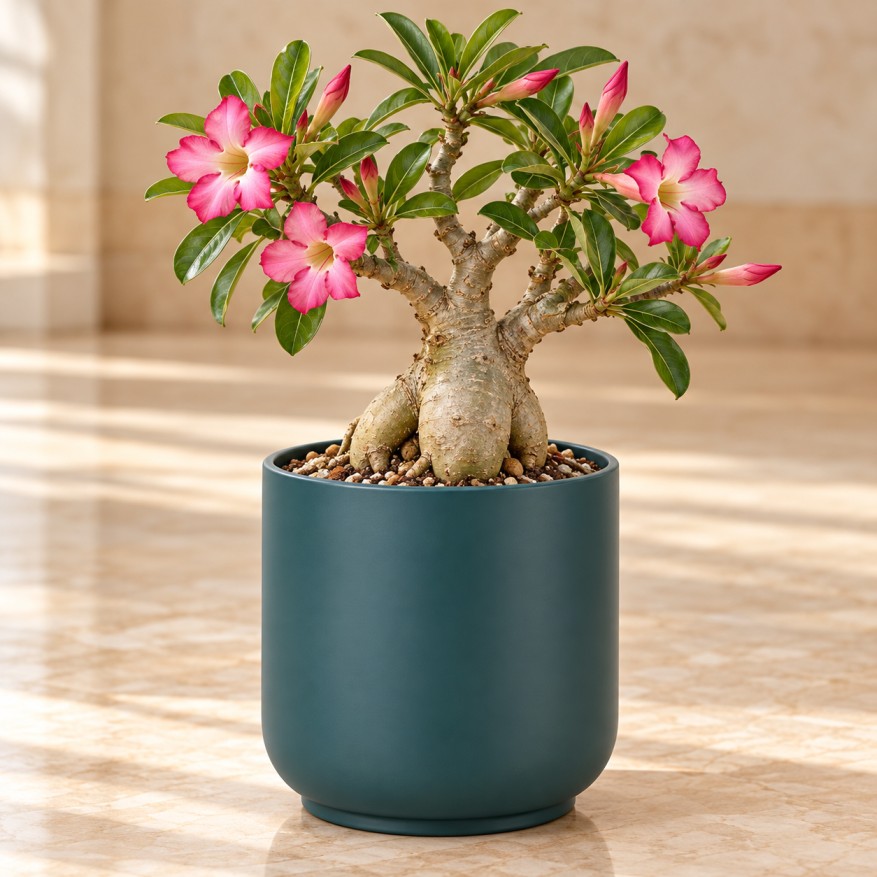
Adenium obesum
Water thoroughly only when the soil is completely dry. In summer, water once or twice a week; drastically cut back during winter and shield from heavy monsoon rain.
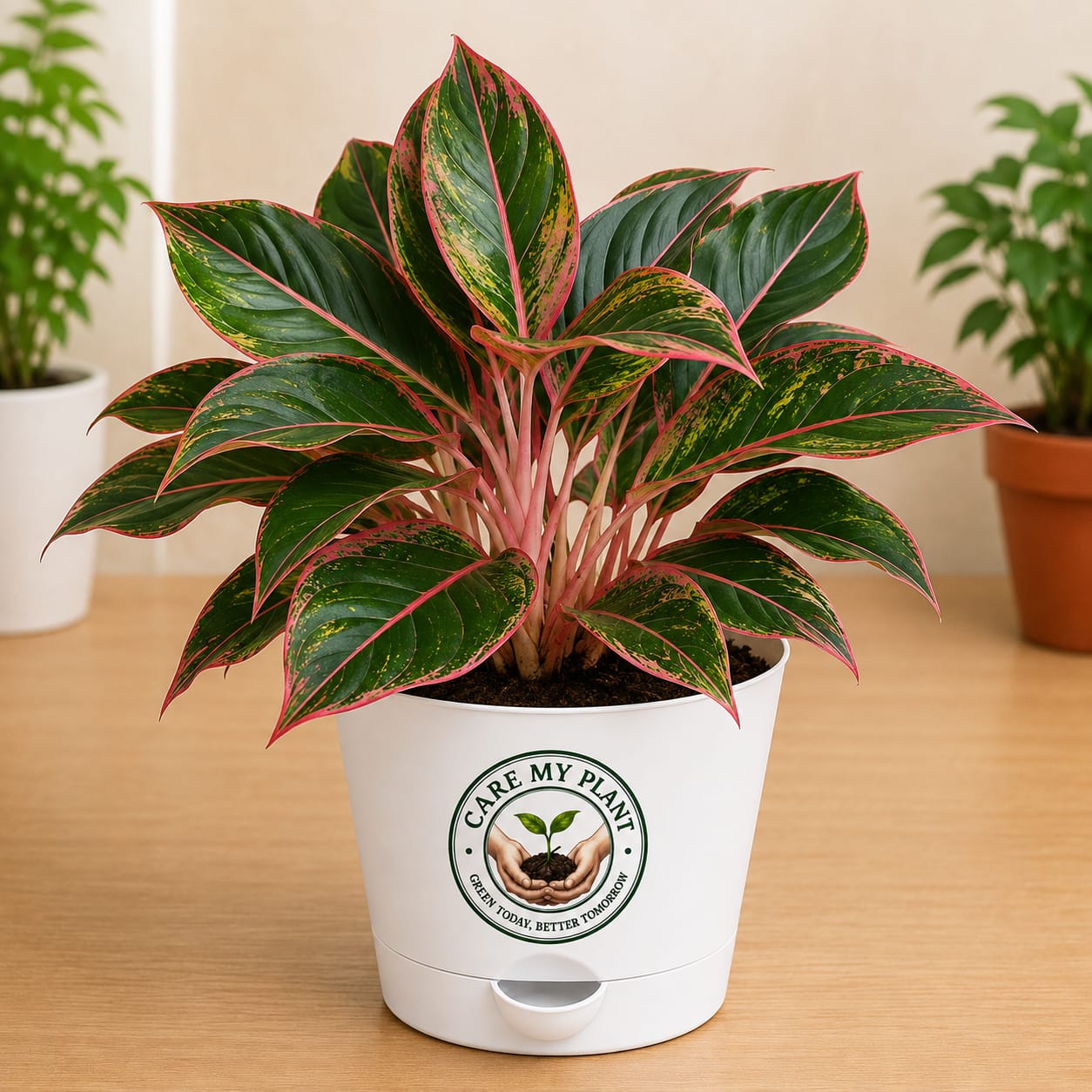
Aglaonema commutatum 'Lipstick'
Water every 5–7 days during summer when the top inch of soil feels dry. Reduce watering to every 10–14 days in winter and monsoon.
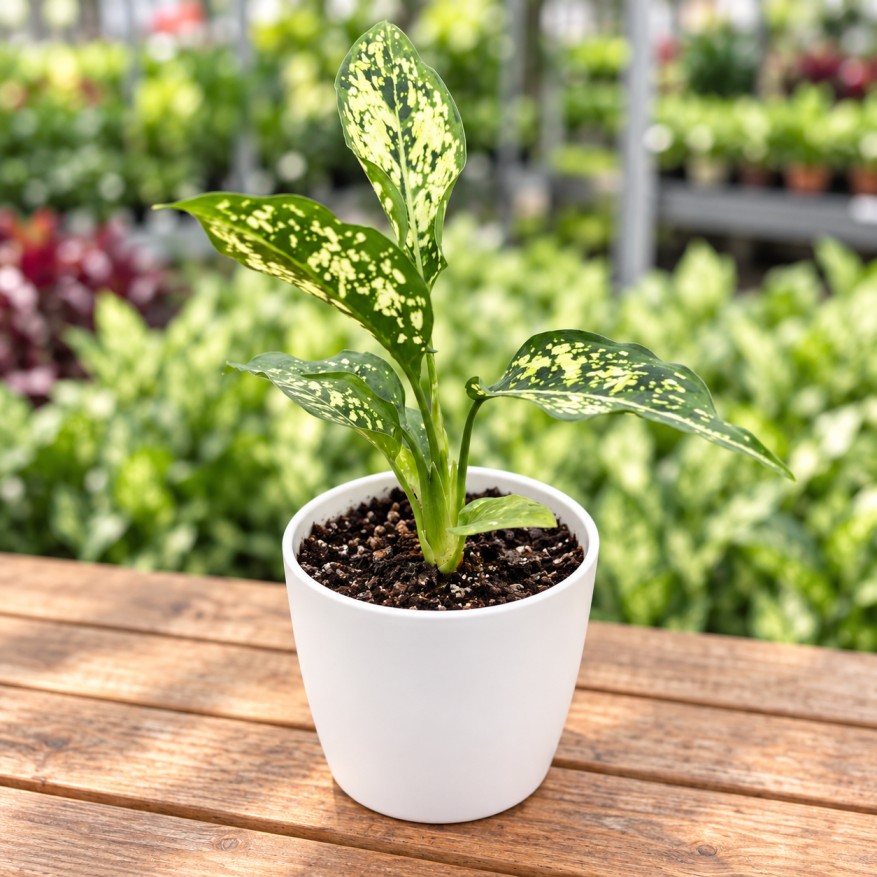
Aglaonema modestum
Water sparingly, allowing soil to dry slightly between waterings
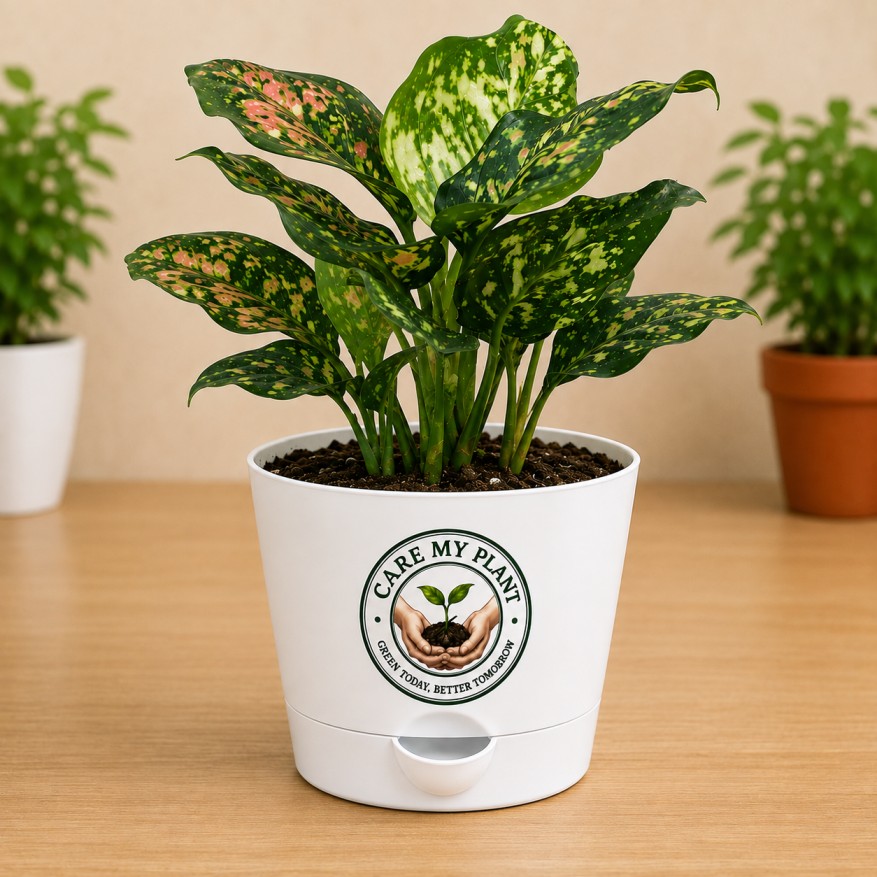
Aglaonema pictum 'Tricolor'
Water every 5-7 days in summer when top 2 inches of soil dry out. Reduce to once every 10-14 days during winter and humid monsoon weeks.
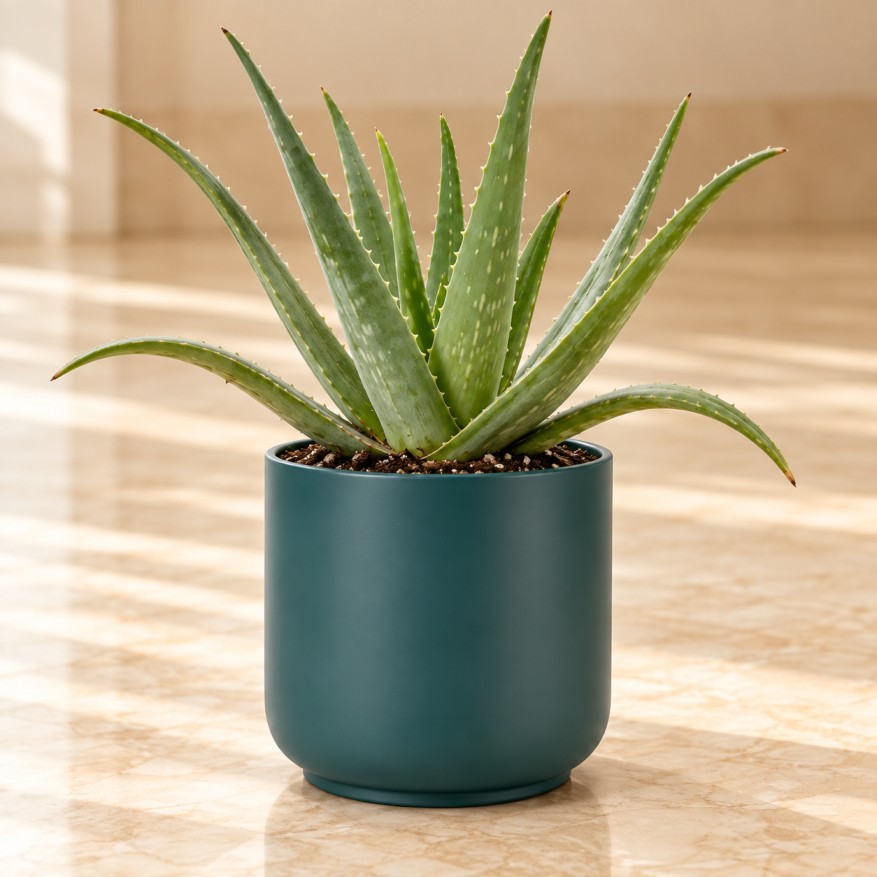
Aloe barbadensis
Water sparingly, allowing soil to dry between waterings
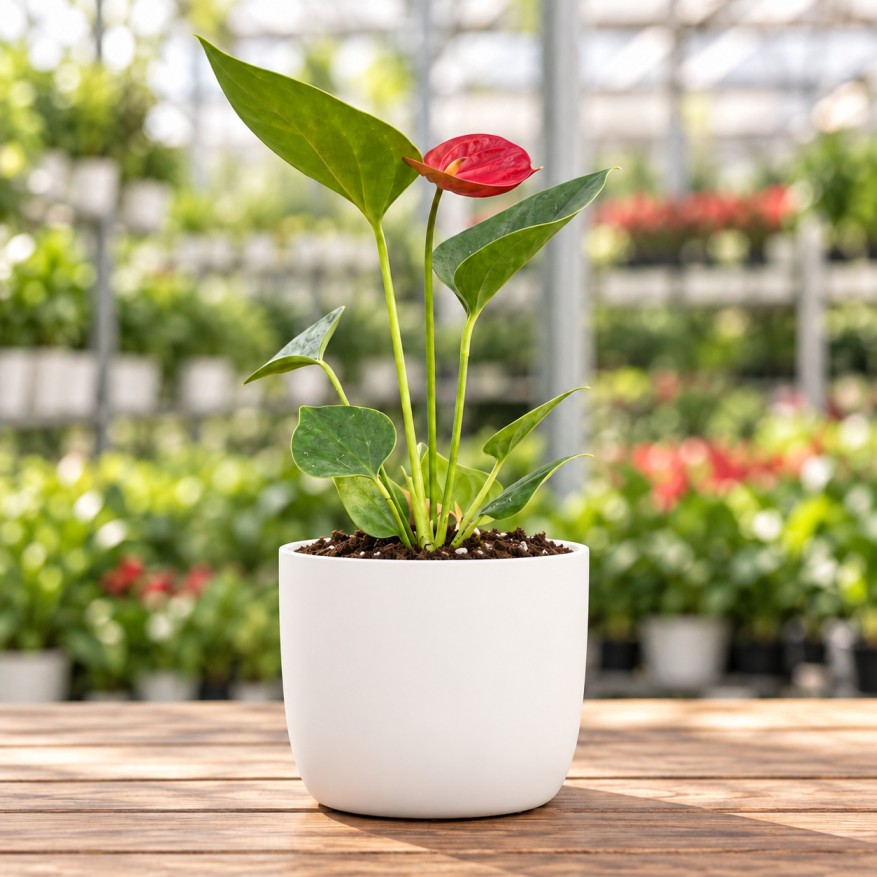
Anthurium andraeanum
Water every 3–5 days when the top inch of soil feels dry. Keep soil consistently moist but never waterlogged. Reduce watering during monsoons.
Next step
Shop curated stock, register it in your garden, and get care reminders tailored to this species.

