Plant guide
Ocimum tenuiflorum
Why plant parents love it
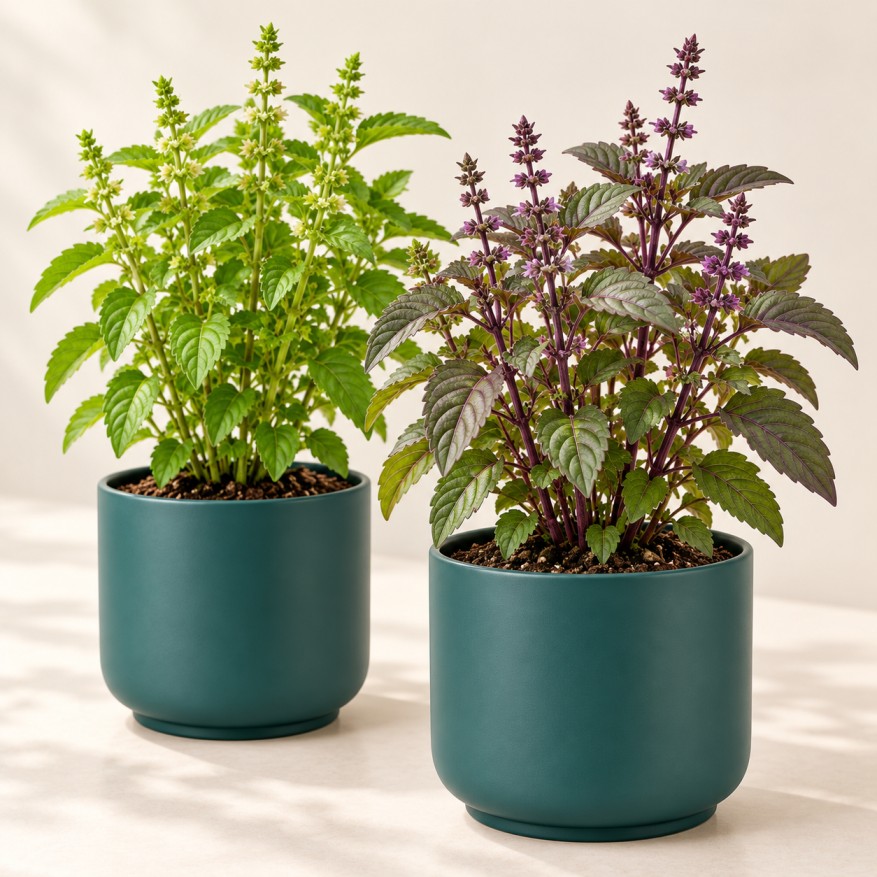
Tulsi, commonly known as Holy Basil, is one of the most revered and quintessential plants in Indian households. The two most popular varieties are Rama Tulsi, characterized by bright light green leaves and a sweet aromatic flavor, and Krishna Tulsi, recognized by its dark purple foliage and crisp, peppery taste.
Beyond its deep spiritual importance in daily pooja rituals, Tulsi is celebrated in Ayurveda as the 'Queen of Herbs' for its powerful adaptogenic, anti-inflammatory, and immunity-boosting properties. Growing both Rama and Krishna Tulsi together adds rich aromatic greenery and holistic wellness to your home garden.
Ready to grow with CareMyPlant?
Shop a healthy specimen, then unlock care reminders and Plant Doctor support in your garden.
Water
Keep the rhythm simple
Water daily during warm months. Allow top 1 inch of soil to dry out between waterings in monsoon and winter.
Light
Find its happy spot
Requires 4 to 6 hours of direct, bright sunlight daily.
Soil
Roots that breathe
Well-draining, fertile pot mix rich in organic compost and coarse sand.
Feed
Gentle growth fuel
Feed with vermicompost or cow dung manure once every month during spring and summer.
Pro tips
Small habits that keep Tulsi (Rama and Krishna) looking shop-fresh at home.
Shop the look
Live plants linked to this guide — healthy stock, ready for your space.
Stay ahead of trouble
Tulsi (Rama and Krishna)
mediumTulsi (Ocimum sanctum / Ocimum tenuiflorum), encompassing green-leaf Rama Tulsi and purple-leaf Krishna Tulsi, is a revered medicinal plant in Indian households. Despite its natural aromatic compounds, Tulsi is commonly affected by fungal leaf spots, powdery mildew, root rot, and sap-sucking pests like lace bugs and aphids. Beginners usually notice dark brown or black spots on leaves, leaf yellowing, powdery white patches, or sudden wilting. Krishna Tulsi's dark purple foliage can make early fungal spots harder to detect compared to Rama Tulsi, so close inspection of leaf undersides is essential. In Indian home settings, monsoon humidity and overwatering—frequently caused by daily ritual watering without checking soil dampness—are primary causes of root and fungal issues. Placing Tulsi in well-draining soil with 4–6 hours of direct sunlight prevents moisture build-up and keeps the plant healthy.
Keep exploring
More plant profiles to help you build a thriving indoor jungle.
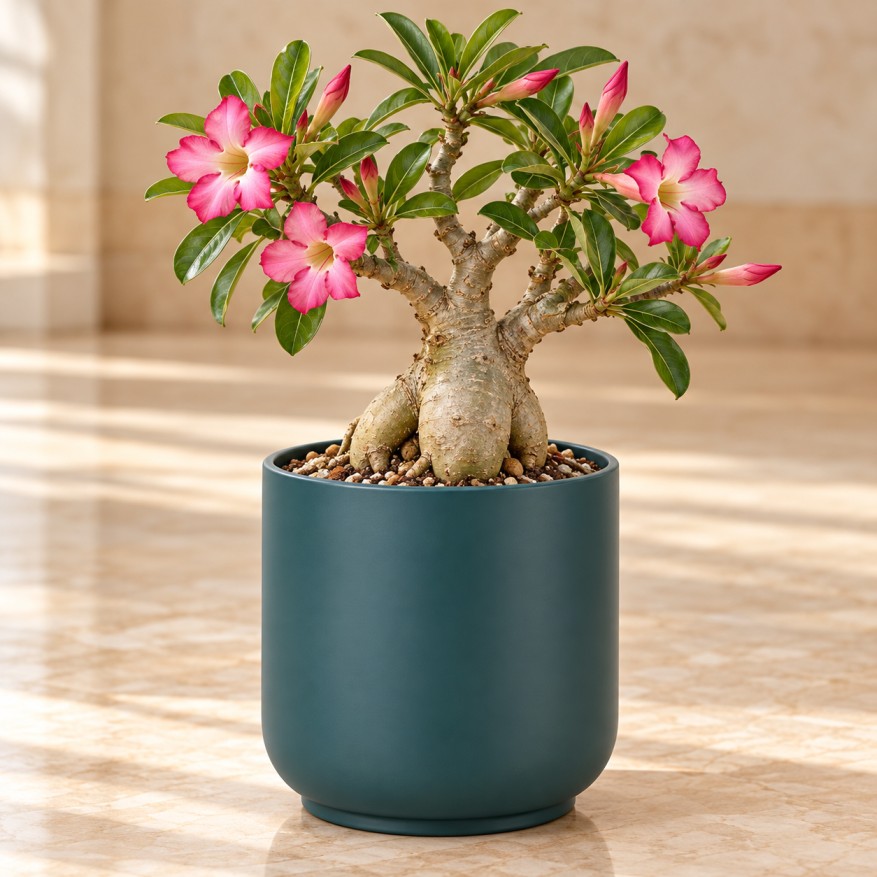
Adenium obesum
Water thoroughly only when the soil is completely dry. In summer, water once or twice a week; drastically cut back during winter and shield from heavy monsoon rain.
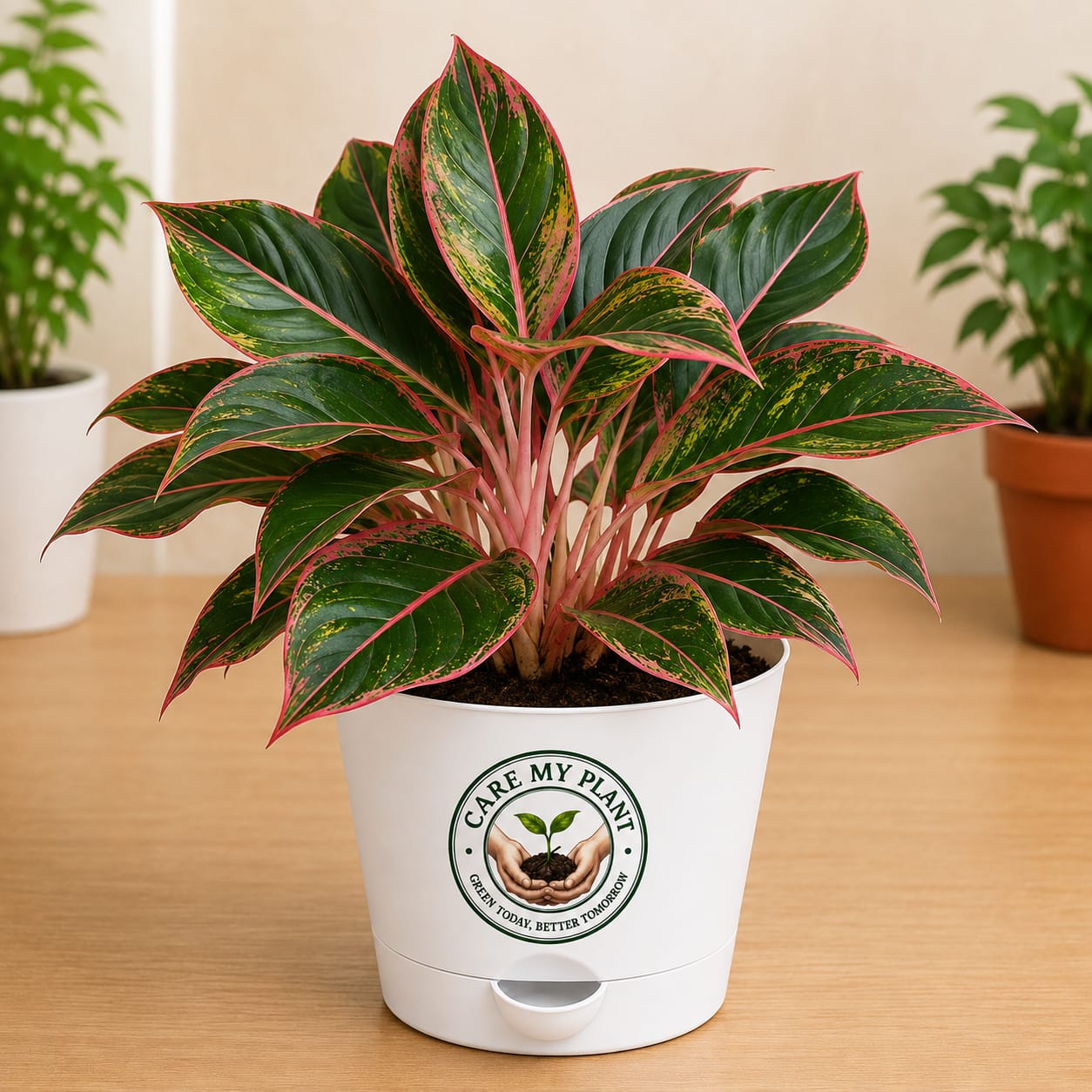
Aglaonema commutatum 'Lipstick'
Water every 5–7 days during summer when the top inch of soil feels dry. Reduce watering to every 10–14 days in winter and monsoon.
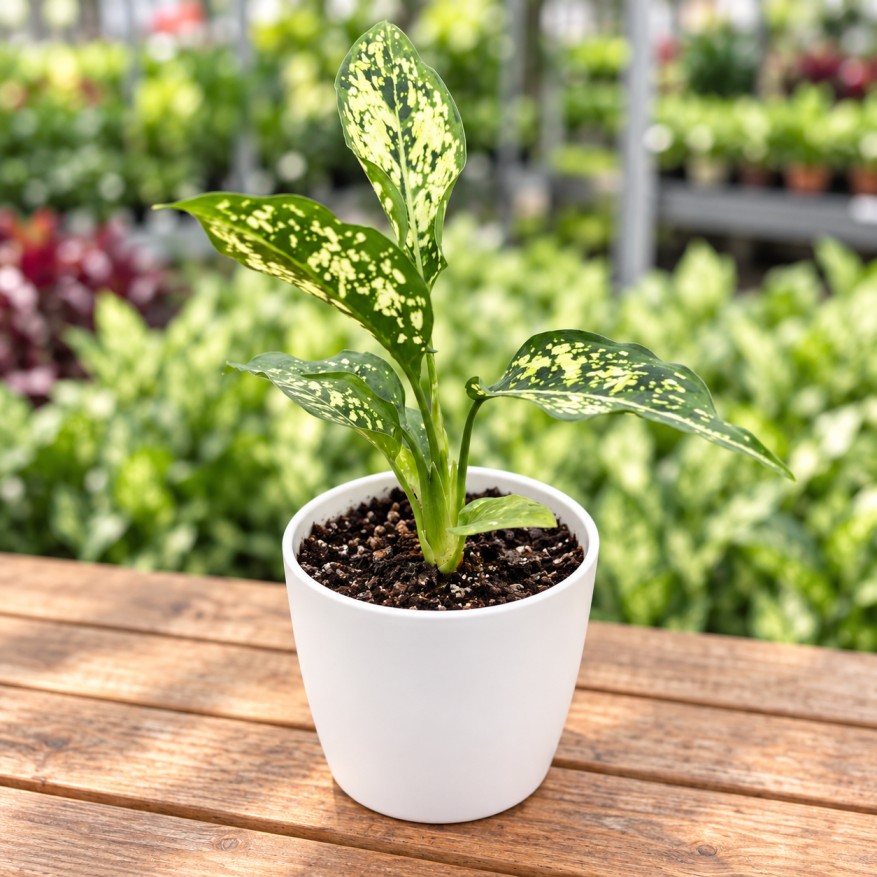
Aglaonema modestum
Water sparingly, allowing soil to dry slightly between waterings
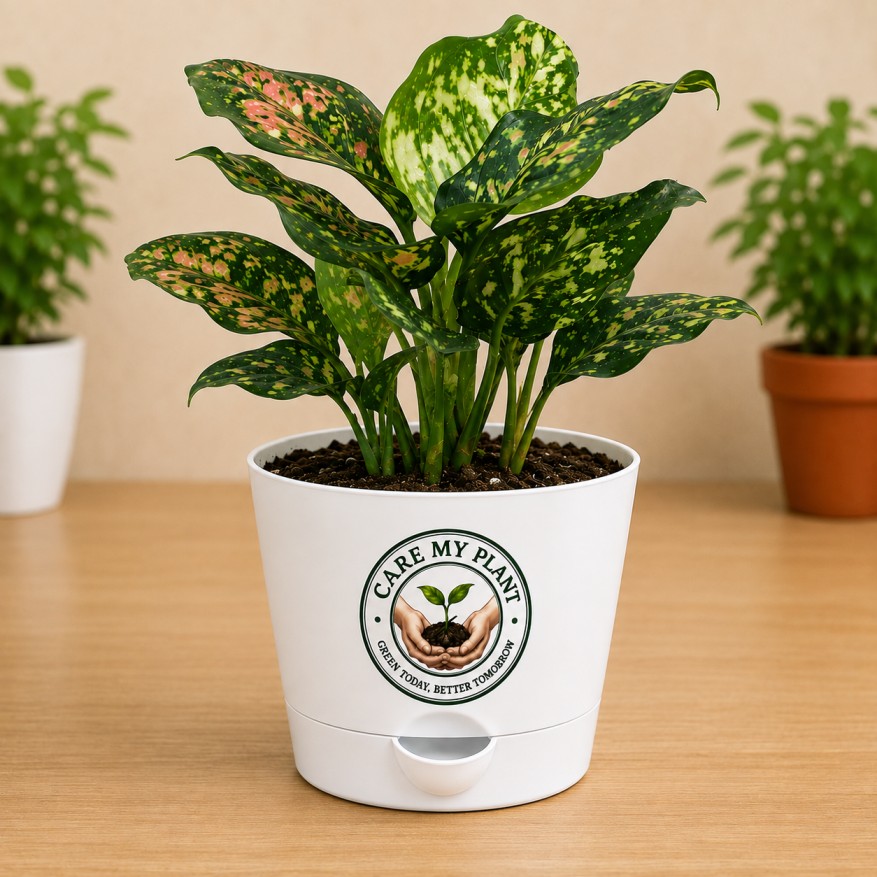
Aglaonema pictum 'Tricolor'
Water every 5-7 days in summer when top 2 inches of soil dry out. Reduce to once every 10-14 days during winter and humid monsoon weeks.
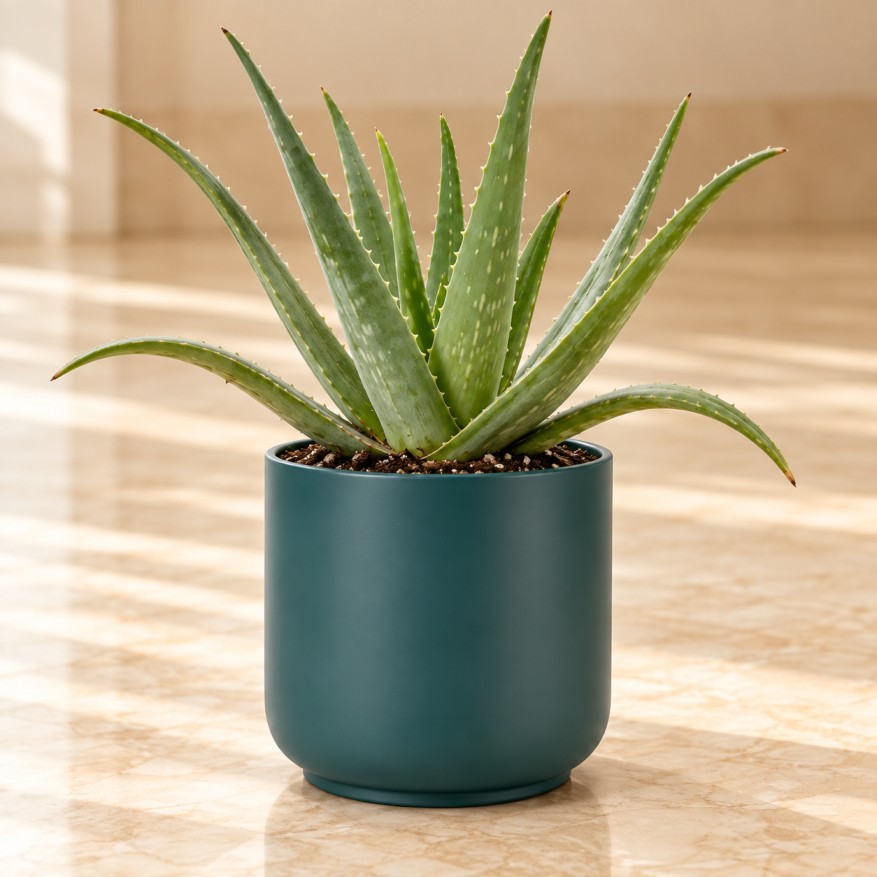
Aloe barbadensis
Water sparingly, allowing soil to dry between waterings
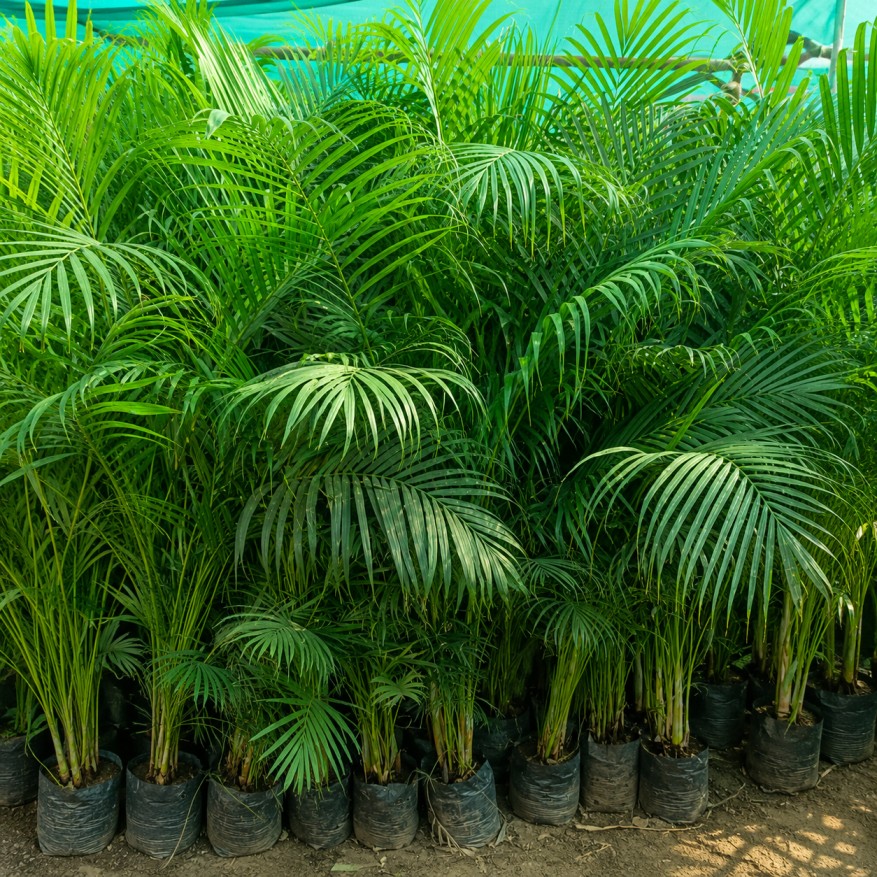
Dypsis lutescens
Moderate, once a week
Next step
Shop curated stock, register it in your garden, and get care reminders tailored to this species.

