Plant guide
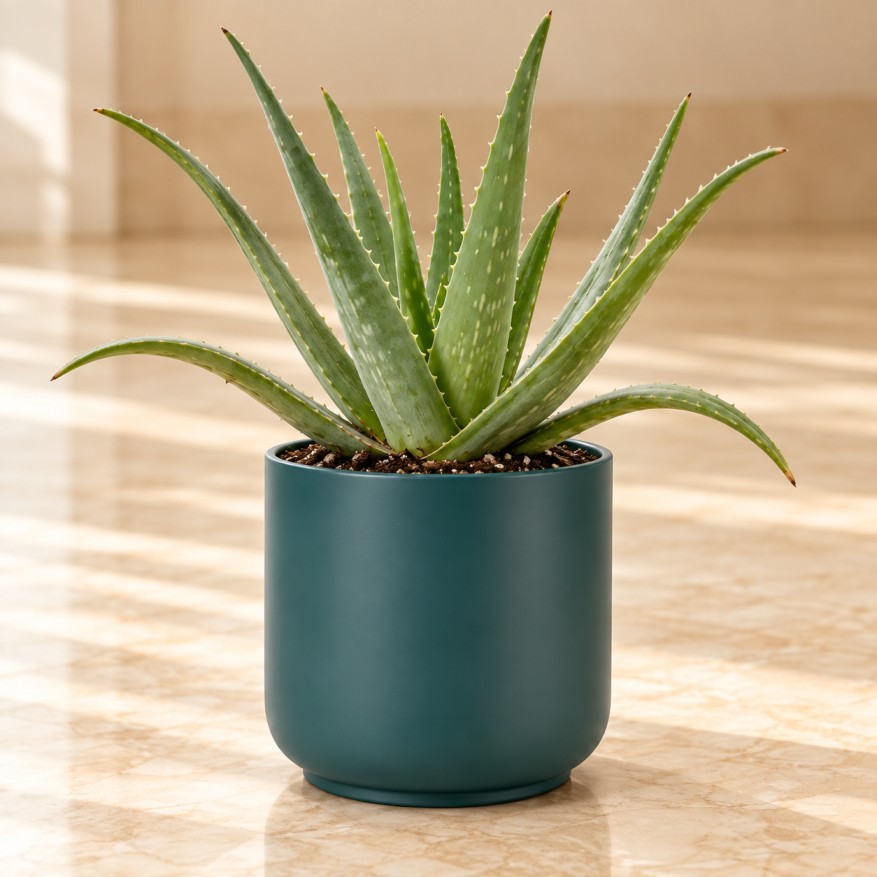
Aloe barbadensis
Why plant parents love it
Aloe Vera is a popular, low-maintenance plant known for its numerous health benefits and versatility.
It is a succulent plant with thick, fleshy leaves that store water, making it drought-tolerant and perfect for indoor spaces. The gel inside the leaves can be used to soothe burns, skin irritations, and other skin issues.
Aloe Vera plants are relatively small, growing up to 2-3 feet in height, and have a spread of around 1-2 feet. They are widely used in traditional medicine, cosmetics, and as a natural remedy for various ailments.
In addition to its medicinal properties, Aloe Vera is also a great air purifier, making it a popular choice for indoor spaces. It is easy to care for and can thrive in a variety of lighting conditions, from low to bright light.
Ready to grow with CareMyPlant?
Shop a healthy specimen, then unlock care reminders and Plant Doctor support in your garden.
Water
Keep the rhythm simple
Water sparingly, allowing soil to dry between waterings
Light
Find its happy spot
Bright, indirect light
Soil
Roots that breathe
Well-draining potting mix
Feed
Gentle growth fuel
Fertilize during growing season (spring-fall) with a balanced, water-soluble fertilizer
Pro tips
Small habits that keep Aloe Vera looking shop-fresh at home.
Shop the look
Live plants linked to this guide — healthy stock, ready for your space.
Stay ahead of trouble
Aloe Vera Soft Rot
highAloe Vera Soft Rot is a common bacterial and fungal condition that primarily affects Aloe vera succulents. It is almost always triggered by overwatering, waterlogged soil, or water getting trapped inside the central rosette of the plant. Beginners often notice that the thick, fleshy leaves start looking translucent, droopy, or feel mushy to the touch. In advanced stages, dark brown or black water-soaked patches appear near the leaf bases, and the plant may emit a mild sour or foul odor as tissues decay. In Indian households, this issue spikes during the monsoon season due to high humidity and rainwater pooling in outdoor pots. Indoors, placing Aloe vera in air-conditioned rooms with insufficient sunlight or using dense, water-retentive garden clay soil accelerates leaf and root decay.
Keep exploring
More plant profiles to help you build a thriving indoor jungle.
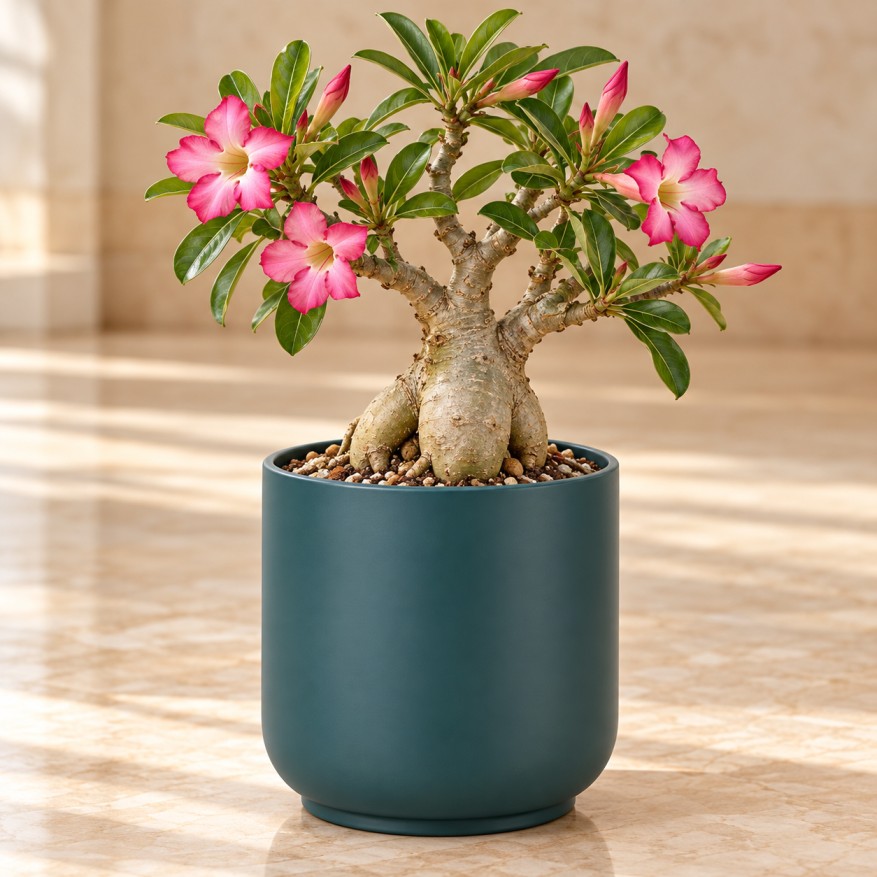
Adenium obesum
Water thoroughly only when the soil is completely dry. In summer, water once or twice a week; drastically cut back during winter and shield from heavy monsoon rain.
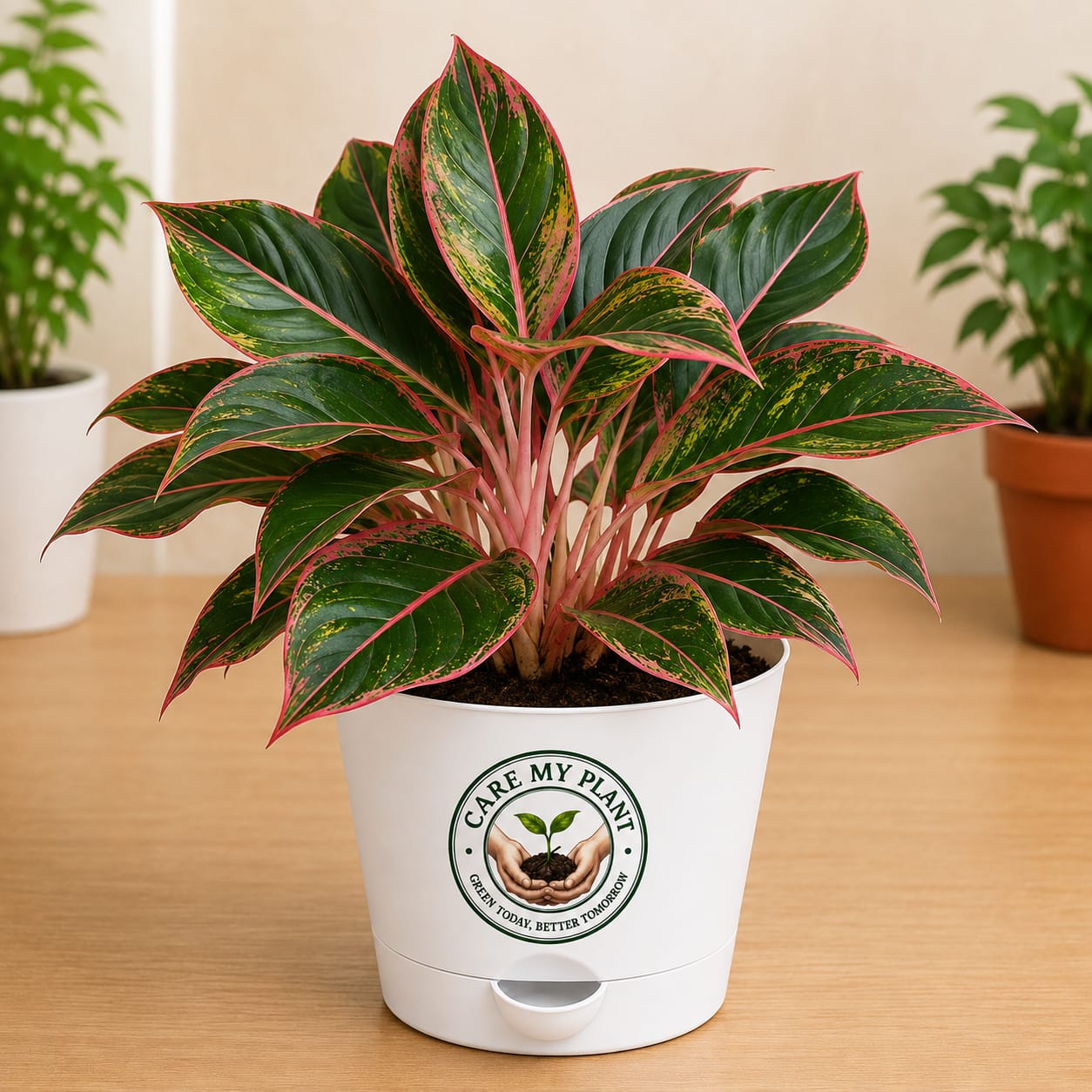
Aglaonema commutatum 'Lipstick'
Water every 5–7 days during summer when the top inch of soil feels dry. Reduce watering to every 10–14 days in winter and monsoon.
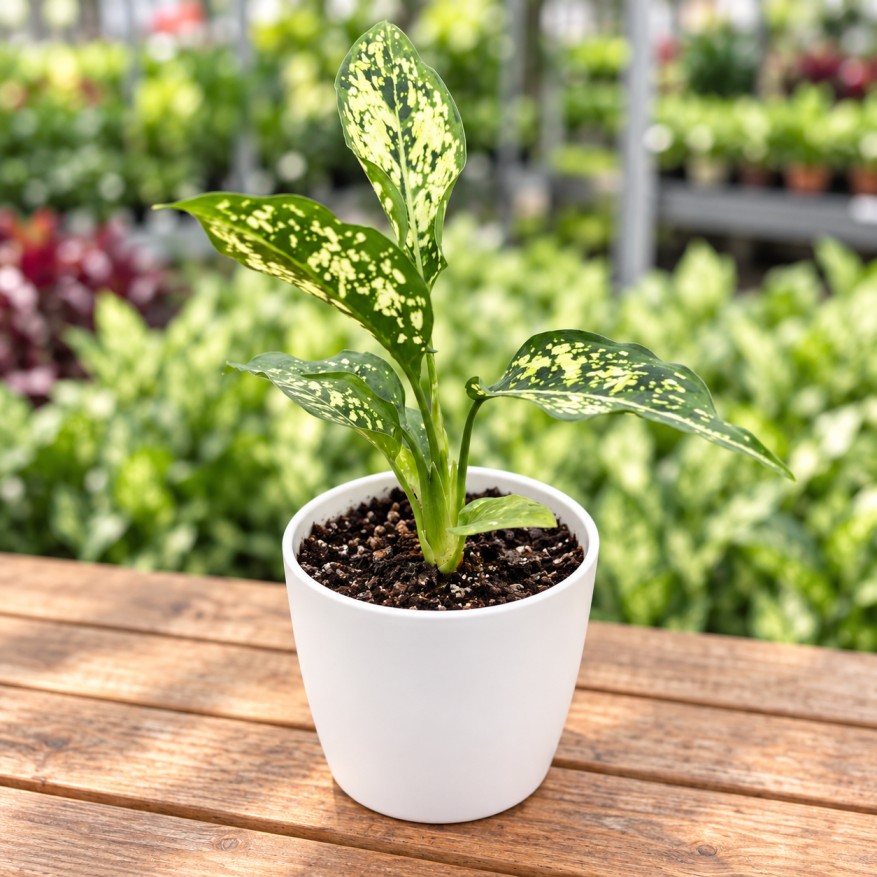
Aglaonema modestum
Water sparingly, allowing soil to dry slightly between waterings
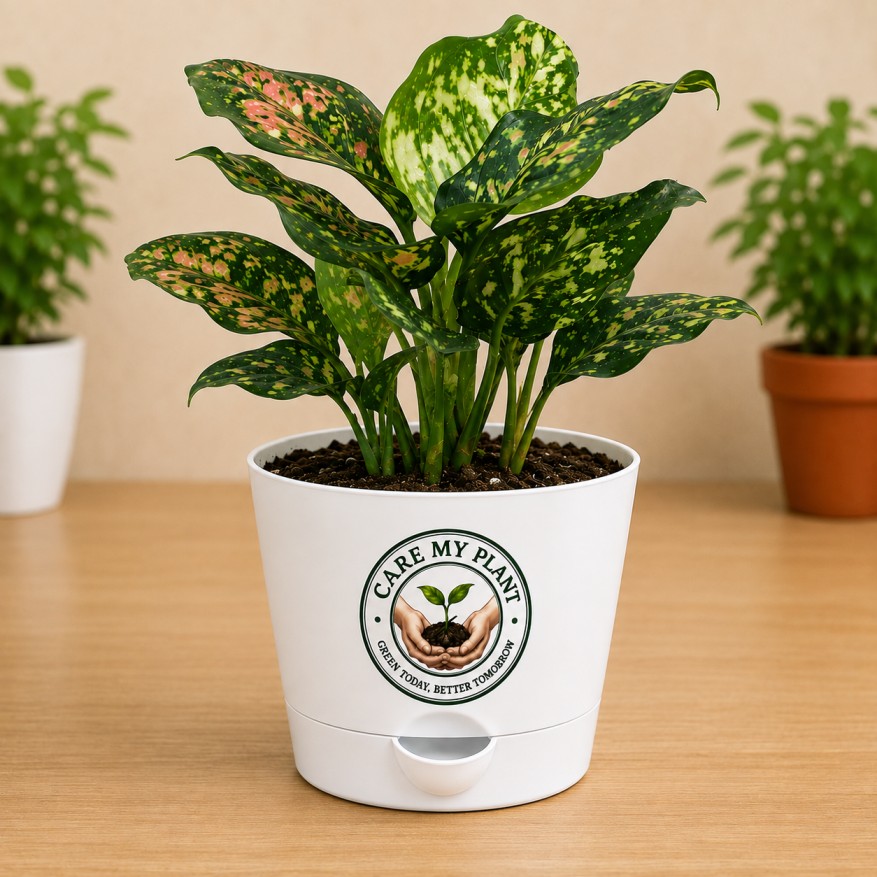
Aglaonema pictum 'Tricolor'
Water every 5-7 days in summer when top 2 inches of soil dry out. Reduce to once every 10-14 days during winter and humid monsoon weeks.
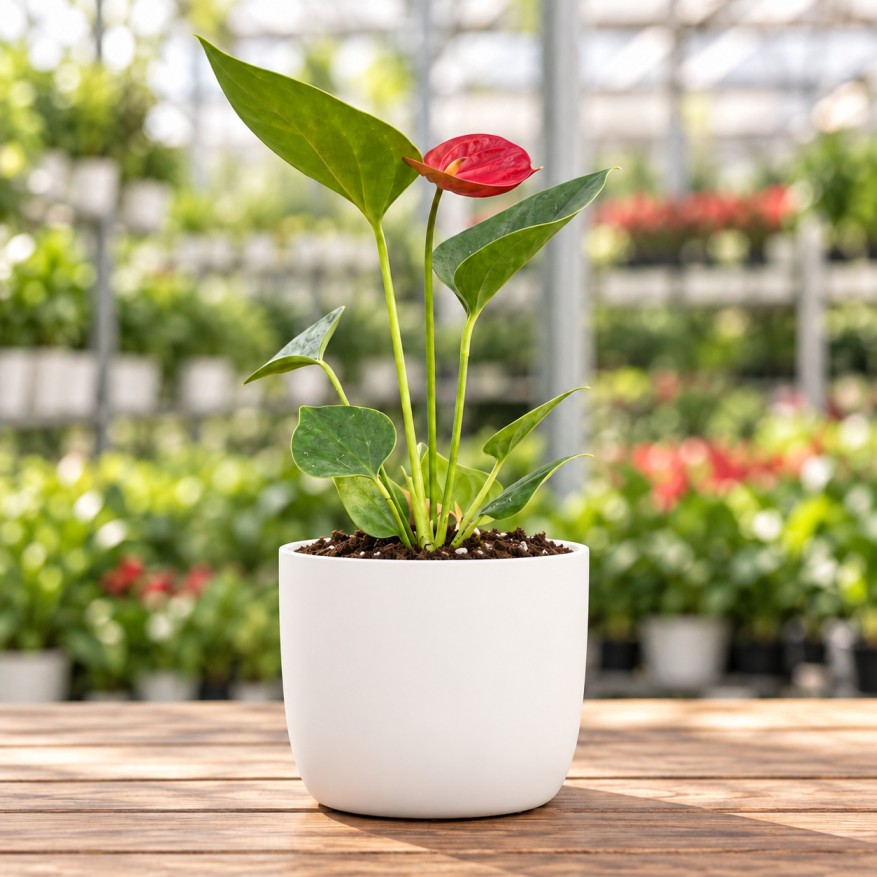
Anthurium andraeanum
Water every 3–5 days when the top inch of soil feels dry. Keep soil consistently moist but never waterlogged. Reduce watering during monsoons.
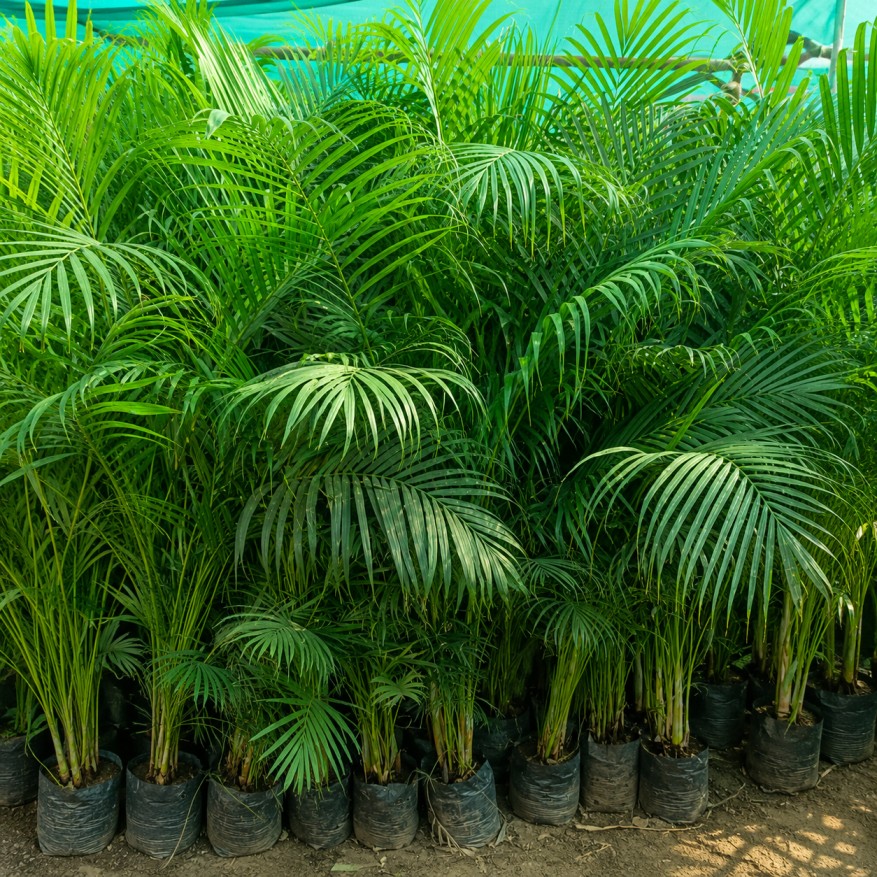
Dypsis lutescens
Moderate, once a week
Next step
Shop curated stock, register it in your garden, and get care reminders tailored to this species.

