Plant guide
Chlorophytum comosum
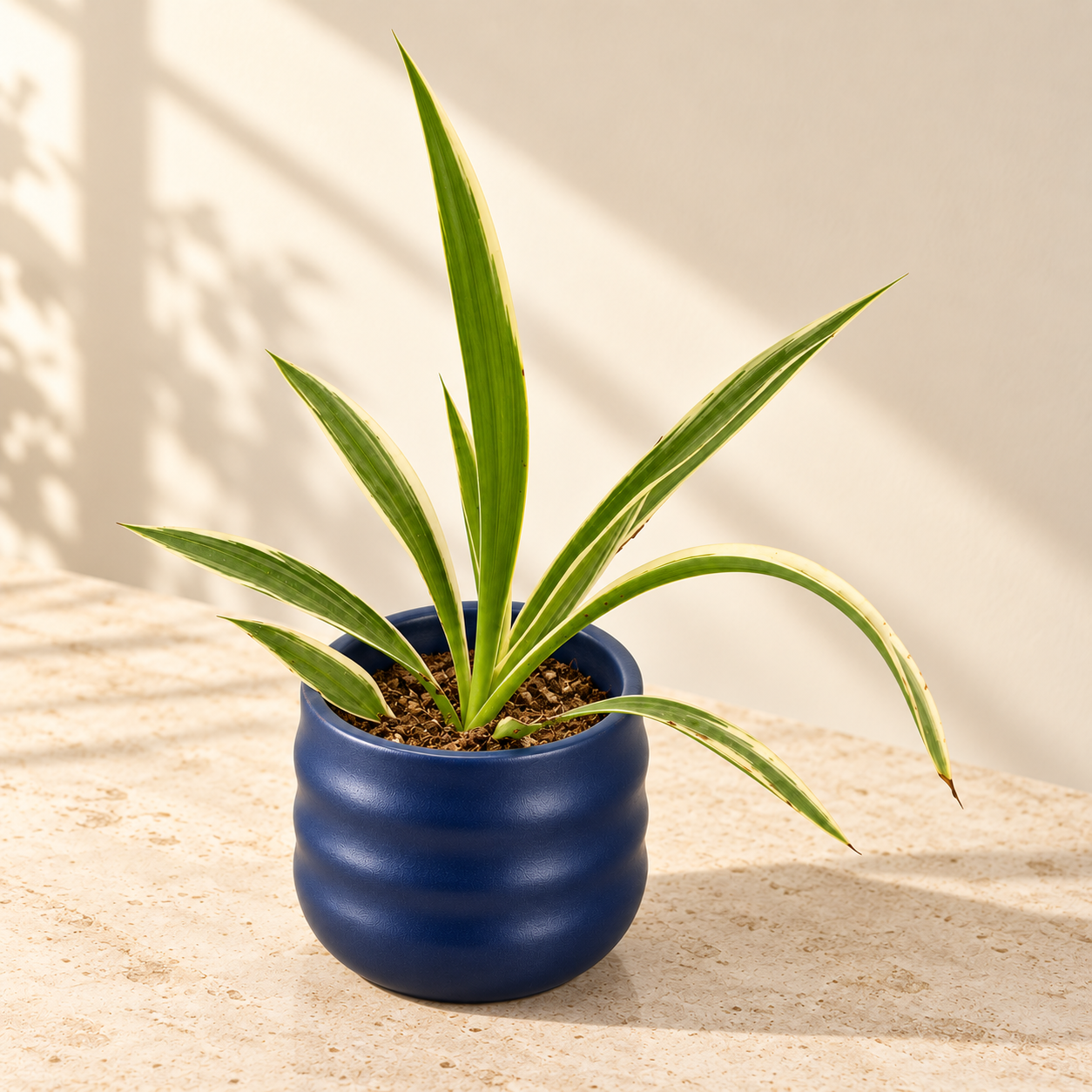
Why plant parents love it
The Spider Plant is one of the most resilient and popular house plants in Indian homes. Recognized by its graceful, arching green and white variegated leaves, it creates a lush cascading effect that makes it ideal for tabletops, plant stands, and hanging baskets.
Renowned for its air-purifying capabilities, the Spider Plant helps clear common household toxins like formaldehyde and xylene. It adapts easily to varying home climates, handling hot summers and high monsoon humidity with minimal fuss.
Over time, healthy plants produce long stems bearing miniature plantlets or 'spiderettes'. These adorable pups can easily be repotted or propagated in water, making it a fun and rewarding plant for green thumbs and novices alike.
Ready to grow with CareMyPlant?
Shop a healthy specimen, then unlock care reminders and Plant Doctor support in your garden.
Water
Keep the rhythm simple
Water 1-2 times a week when the top inch of soil feels dry. Reduce watering during the monsoon and winter months.
Light
Find its happy spot
Thrives in bright, indirect sunlight. Tolerates partial shade, but avoid harsh direct summer sun which scorches leaf tips.
Soil
Roots that breathe
Well-draining potting mix containing garden soil, coco peat, and perlite or sand.
Feed
Gentle growth fuel
Feed once a month during spring and summer (March to August) using a diluted, balanced liquid organic fertilizer.
Pro tips
Small habits that keep Spider Plant looking shop-fresh at home.
Shop the look
Live plants linked to this guide — healthy stock, ready for your space.
Stay ahead of trouble
Spider Plant Tip Burn
lowSpider Plant Tip Burn is a common physiological condition affecting Chlorophytum comosum plants. It presents as dry, brown, or blackened tips on the foliage, caused primarily by environmental stressors and mineral buildup rather than a pathogen. Beginners typically notice the tips of the arching leaves turning dark brown and crispy, often surrounded by a subtle yellow halo. While this condition rarely kills the plant, it indicates that the plant's delicate root system is under stress from water quality or soil composition. In Indian homes, municipal tap water frequently contains chlorine, fluoride, and high levels of dissolved salts (hard water), which accumulate in potting soil over time. Exposure to direct air conditioner drafts in dry summer months or irregular watering during monsoon shifts further exacerbates leaf scorching.
Keep exploring
More plant profiles to help you build a thriving indoor jungle.
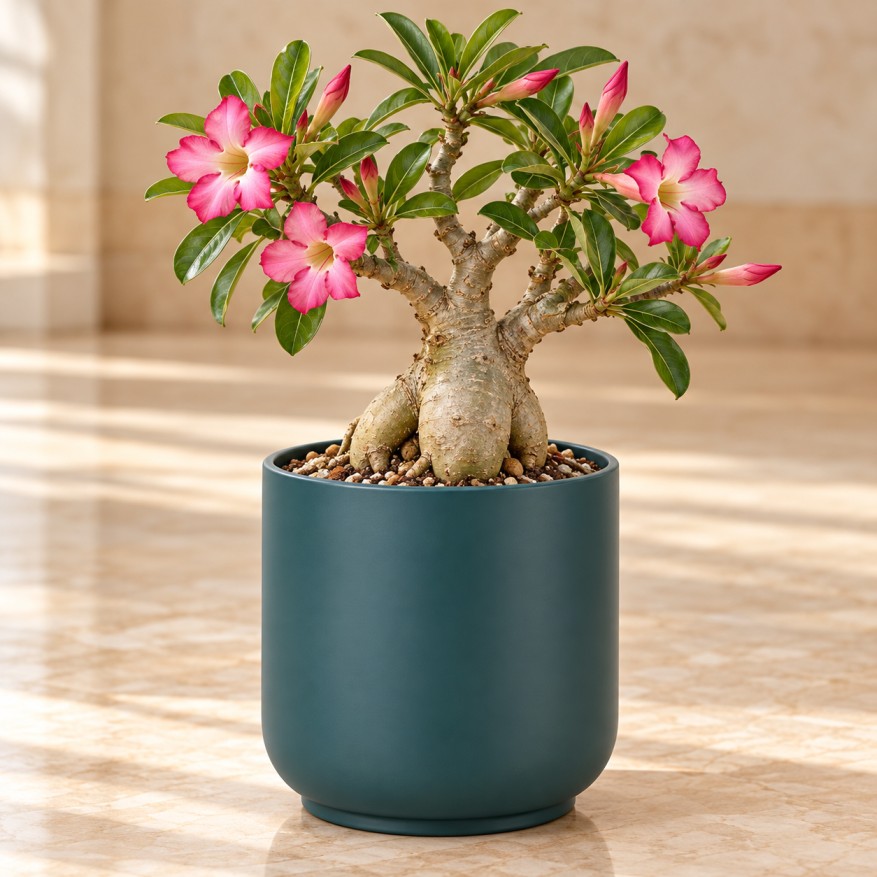
Adenium obesum
Water thoroughly only when the soil is completely dry. In summer, water once or twice a week; drastically cut back during winter and shield from heavy monsoon rain.
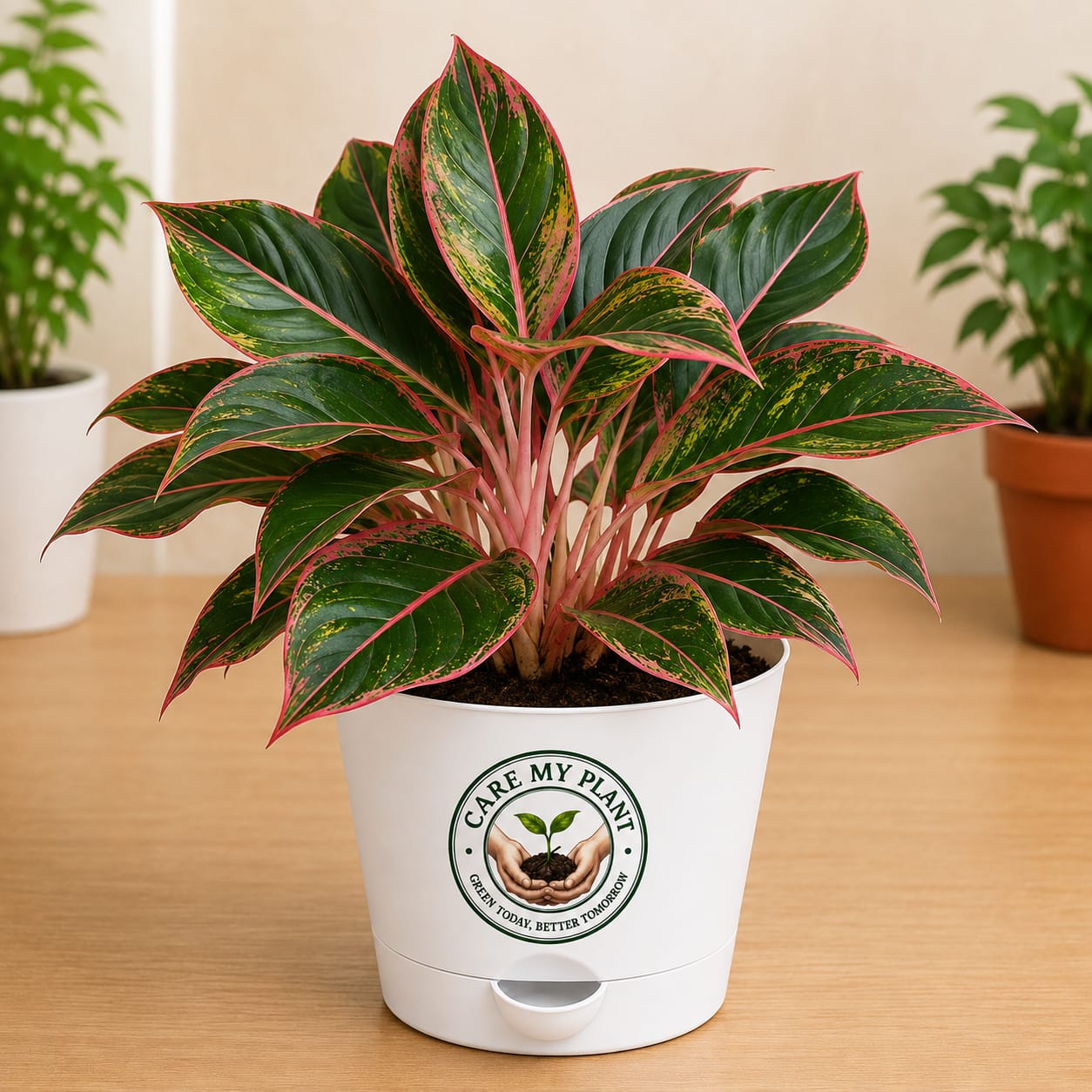
Aglaonema commutatum 'Lipstick'
Water every 5–7 days during summer when the top inch of soil feels dry. Reduce watering to every 10–14 days in winter and monsoon.
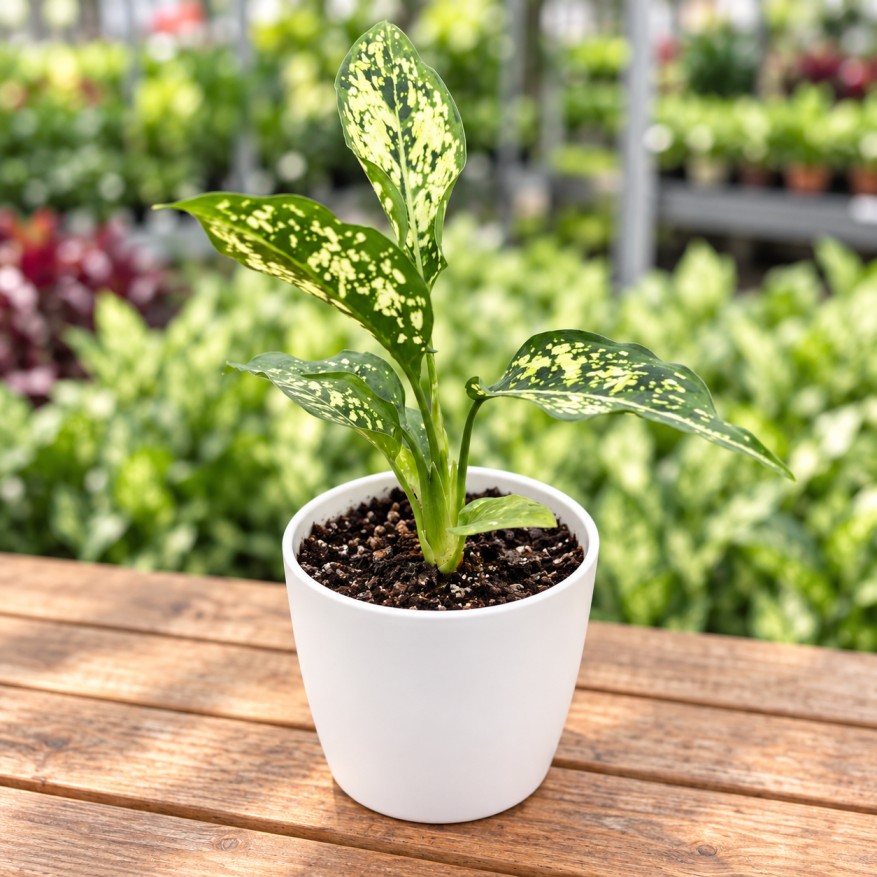
Aglaonema modestum
Water sparingly, allowing soil to dry slightly between waterings
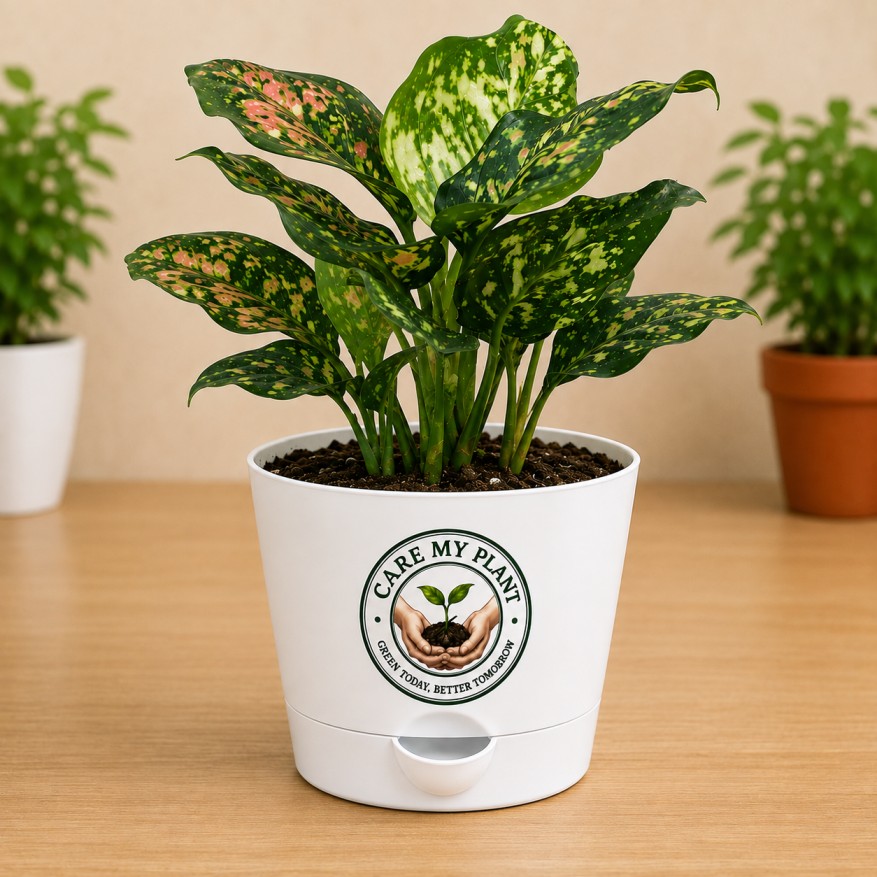
Aglaonema pictum 'Tricolor'
Water every 5-7 days in summer when top 2 inches of soil dry out. Reduce to once every 10-14 days during winter and humid monsoon weeks.
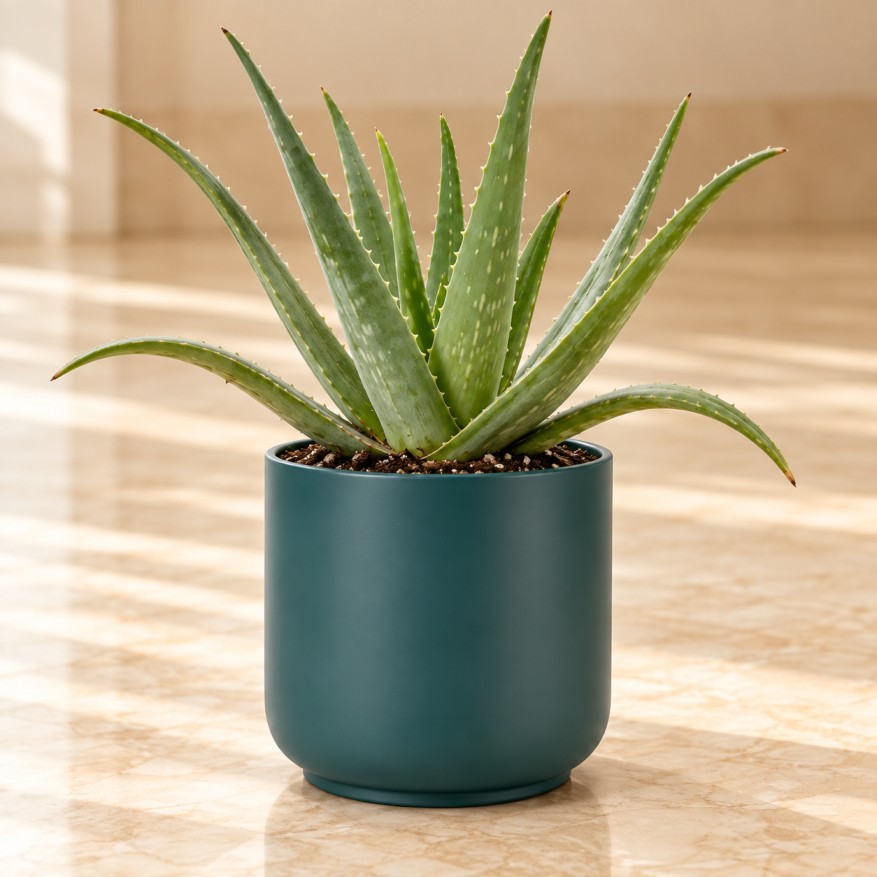
Aloe barbadensis
Water sparingly, allowing soil to dry between waterings
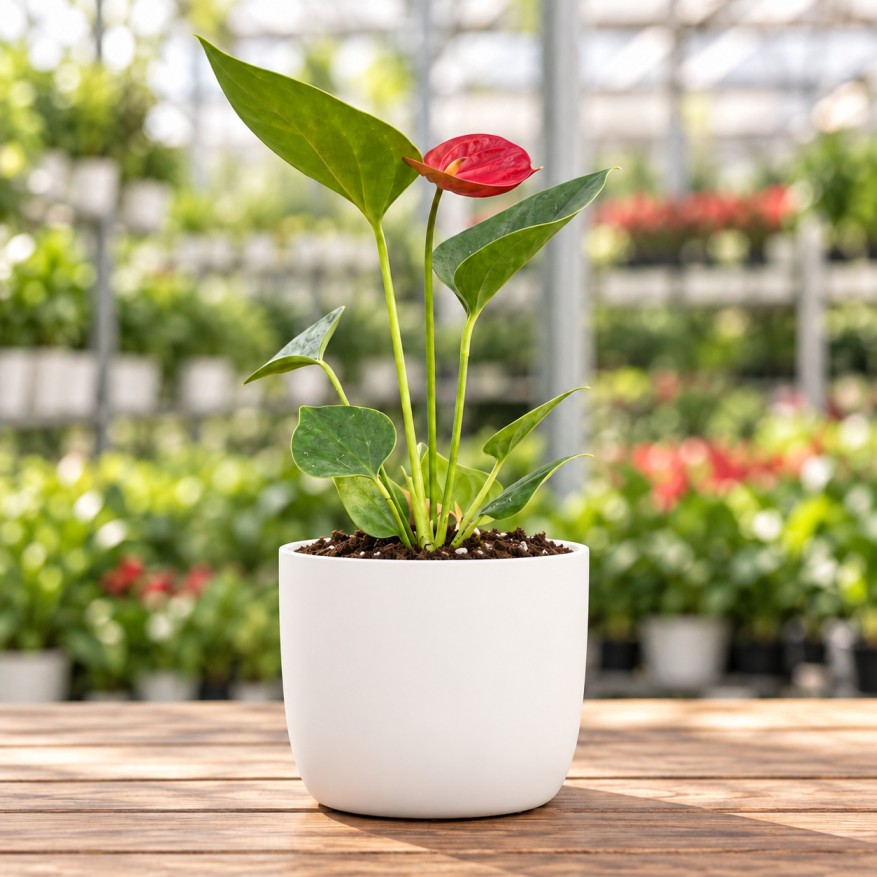
Anthurium andraeanum
Water every 3–5 days when the top inch of soil feels dry. Keep soil consistently moist but never waterlogged. Reduce watering during monsoons.
Next step
Shop curated stock, register it in your garden, and get care reminders tailored to this species.

