Plant guide
Philodendron erubescens 'Imperial Green'
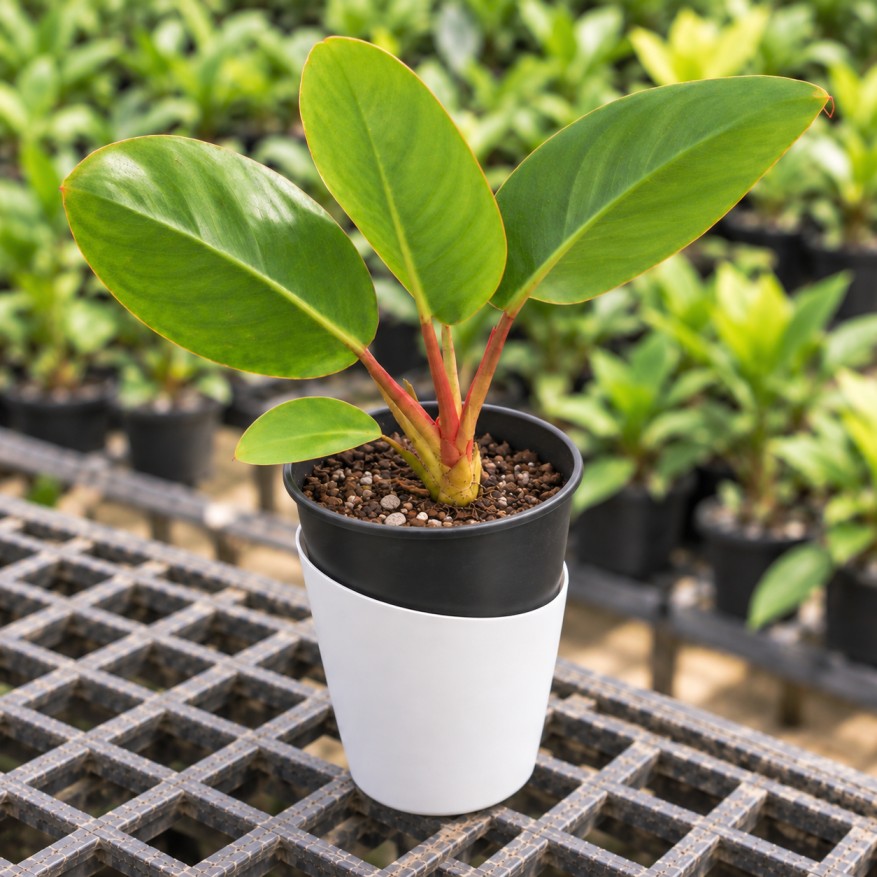
Why plant parents love it
The Philodendron Imperial Green is a stunning tropical foliage plant highly prized for its broad, glossy, emerald-green leaves. Unlike climbing philodendrons, it features a self-heading, compact growth habit that creates a lush, bushy appearance ideal for floor pots or tabletops.
Thriving effortlessly in tropical Indian climates, this plant is well-suited for indoor spaces, apartments, and offices. It adds an instant fresh, tropical aesthetic while remaining remarkably resilient and forgiving of occasional care lapses.
Beyond its architectural beauty, the Imperial Green actively purifies indoor air, filtering out common household toxins while increasing ambient humidity in air-conditioned rooms.
Ready to grow with CareMyPlant?
Shop a healthy specimen, then unlock care reminders and Plant Doctor support in your garden.
Water
Keep the rhythm simple
Water when the top 1–2 inches of soil feel dry to the touch. Water 1–2 times weekly during hot summers and reduce during monsoons and winter.
Light
Find its happy spot
Thrives best in bright, indirect sunlight. Tolerates medium light, but shield from intense afternoon sunlight to avoid leaf scorching.
Soil
Roots that breathe
Chunky, well-draining potting mix rich in organic matter. Use a blend of coco peat, perlite, orchid bark, and vermicompost.
Feed
Gentle growth fuel
Feed with a balanced liquid indoor plant fertilizer once a month during active growth in spring and summer. Pause during winter.
Pro tips
Small habits that keep Philodendron Imperial Green looking shop-fresh at home.
Stay ahead of trouble
Philodendron Imperial Green
mediumPhilodendron Imperial Green is a popular indoor foliage plant known for its striking, glossy leaves. While relatively low-maintenance, it frequently suffers from root rot, leaf spot fungal infections, and moisture stress when overwatered or kept in low-light environments. Beginners usually notice yellowing lower leaves, wet brown lesions on the broad foliage, or droopiness despite wet soil. In Indian home environments, these issues commonly arise during the humid monsoon season when soil stays damp for too long, or in AC rooms where cold drafts slow down moisture evaporation. Proper care involves maintaining bright indirect sunlight, using well-aerated soil mixes, and allowing the top soil layer to dry out before rewatering.
Keep exploring
More plant profiles to help you build a thriving indoor jungle.
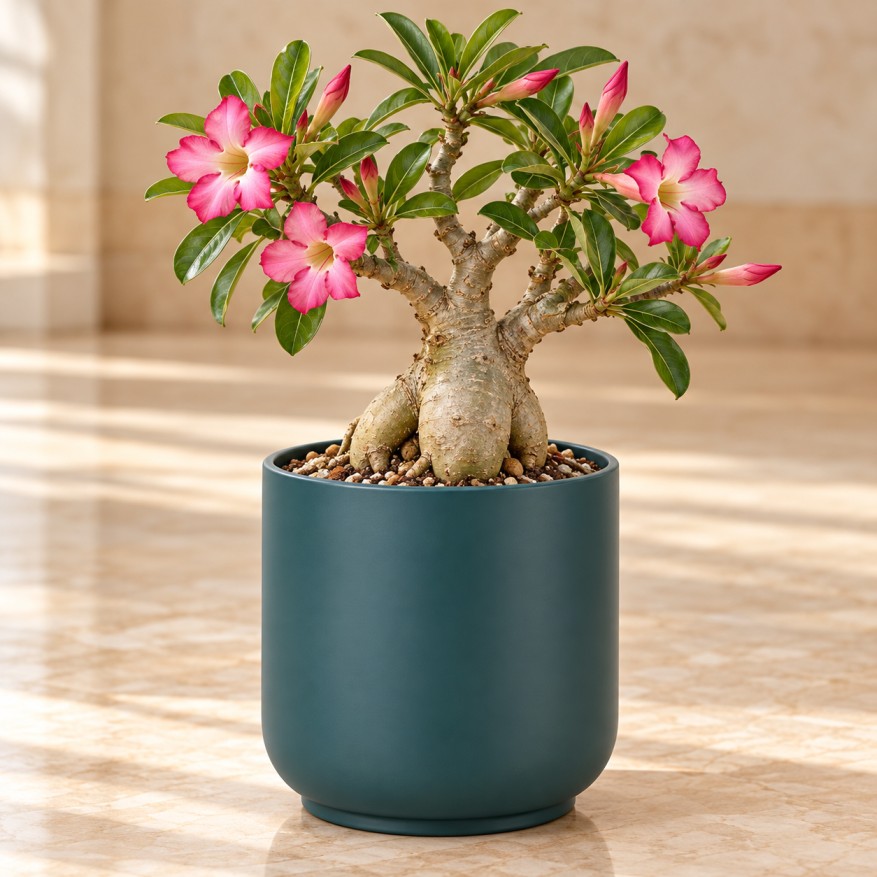
Adenium obesum
Water thoroughly only when the soil is completely dry. In summer, water once or twice a week; drastically cut back during winter and shield from heavy monsoon rain.
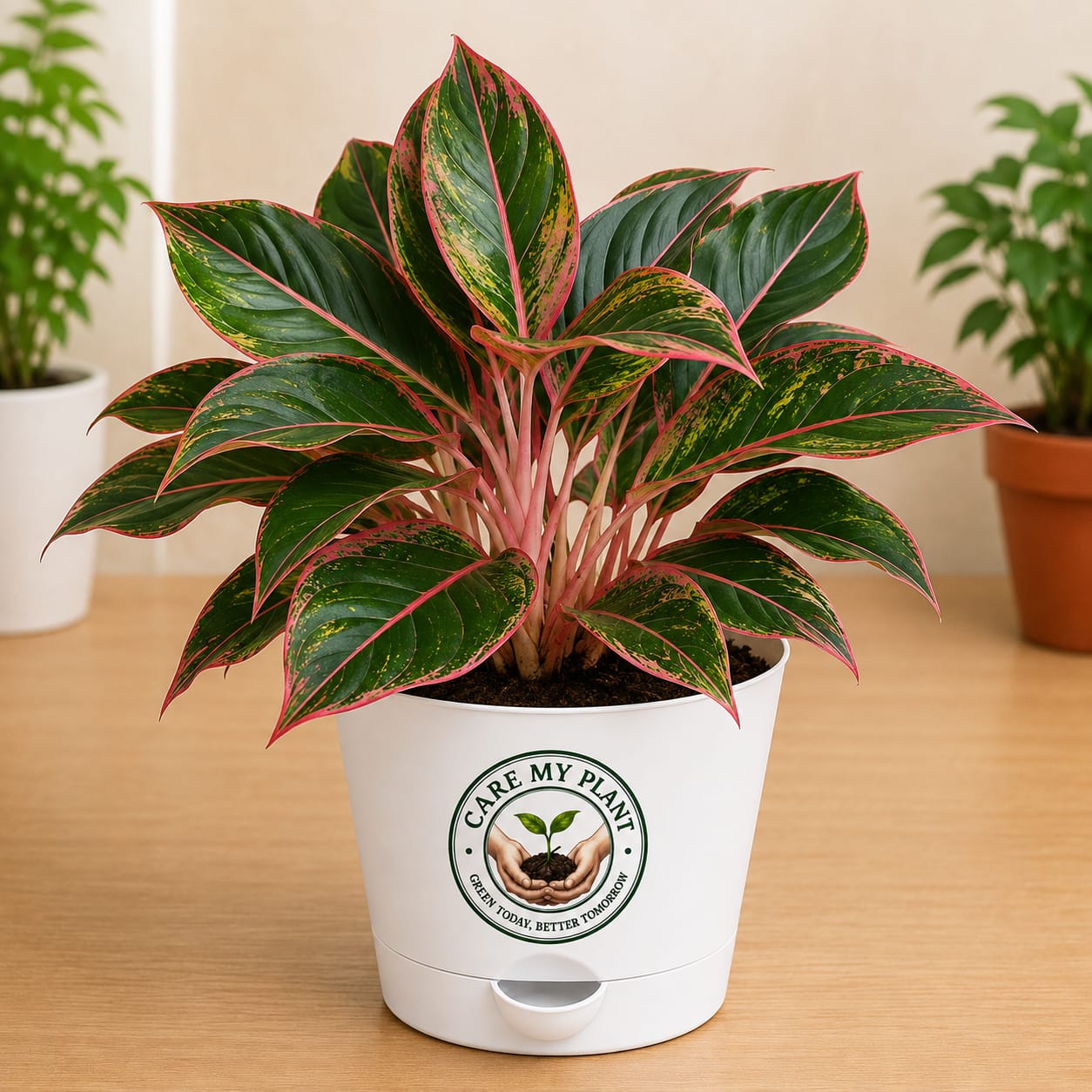
Aglaonema commutatum 'Lipstick'
Water every 5–7 days during summer when the top inch of soil feels dry. Reduce watering to every 10–14 days in winter and monsoon.
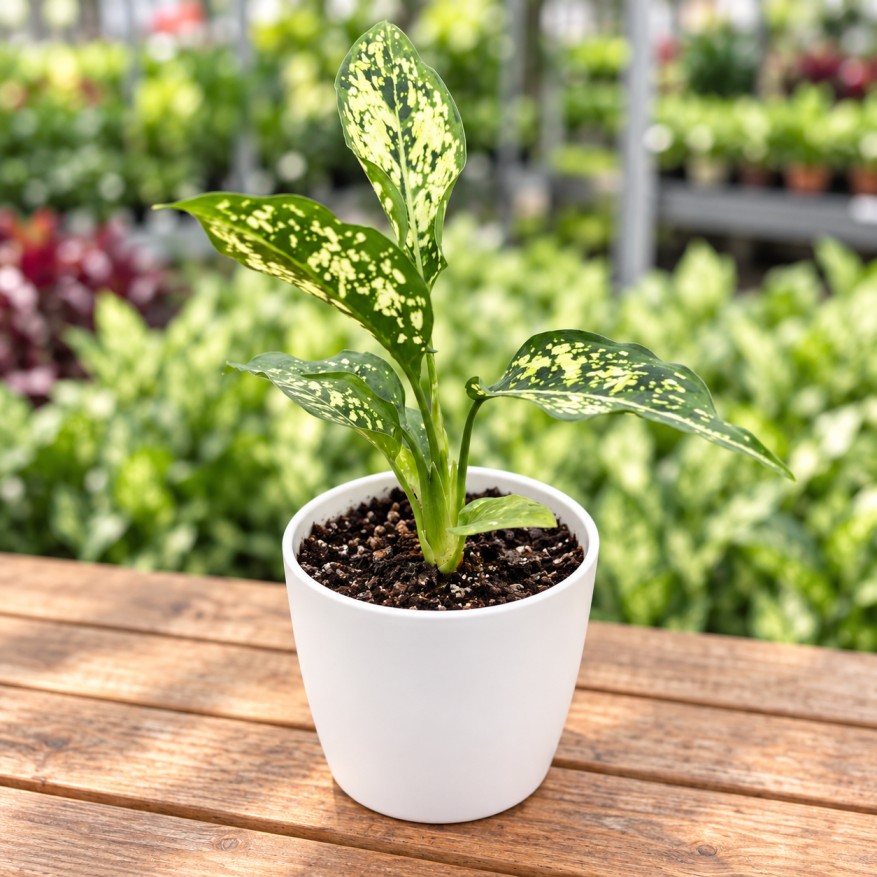
Aglaonema modestum
Water sparingly, allowing soil to dry slightly between waterings
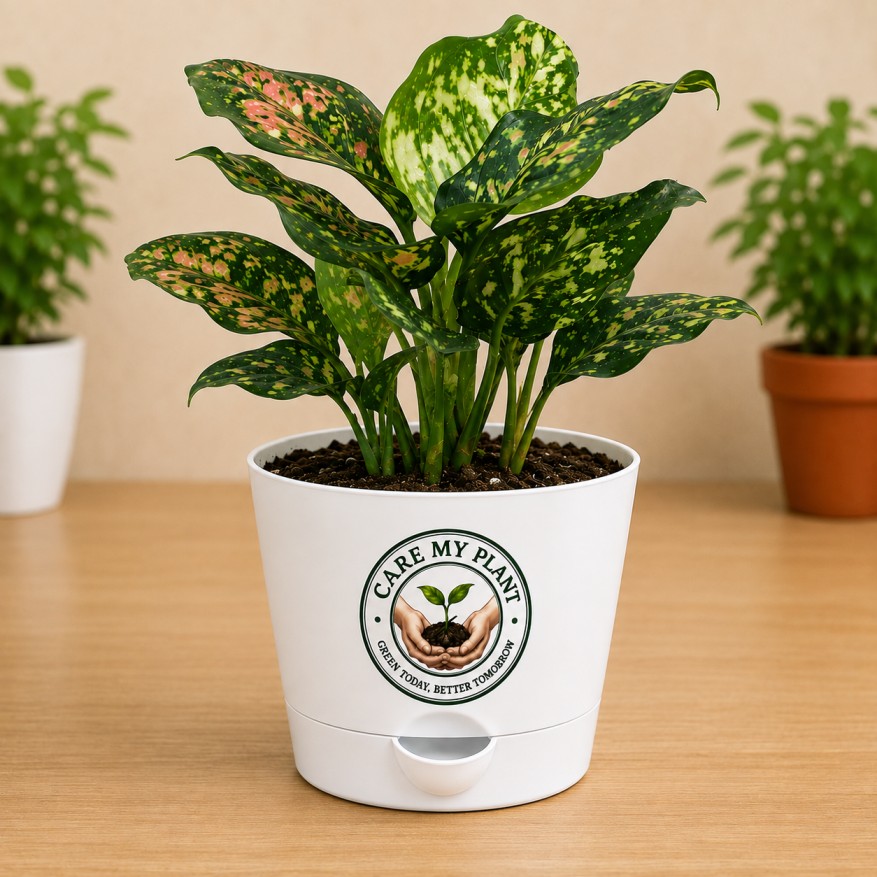
Aglaonema pictum 'Tricolor'
Water every 5-7 days in summer when top 2 inches of soil dry out. Reduce to once every 10-14 days during winter and humid monsoon weeks.
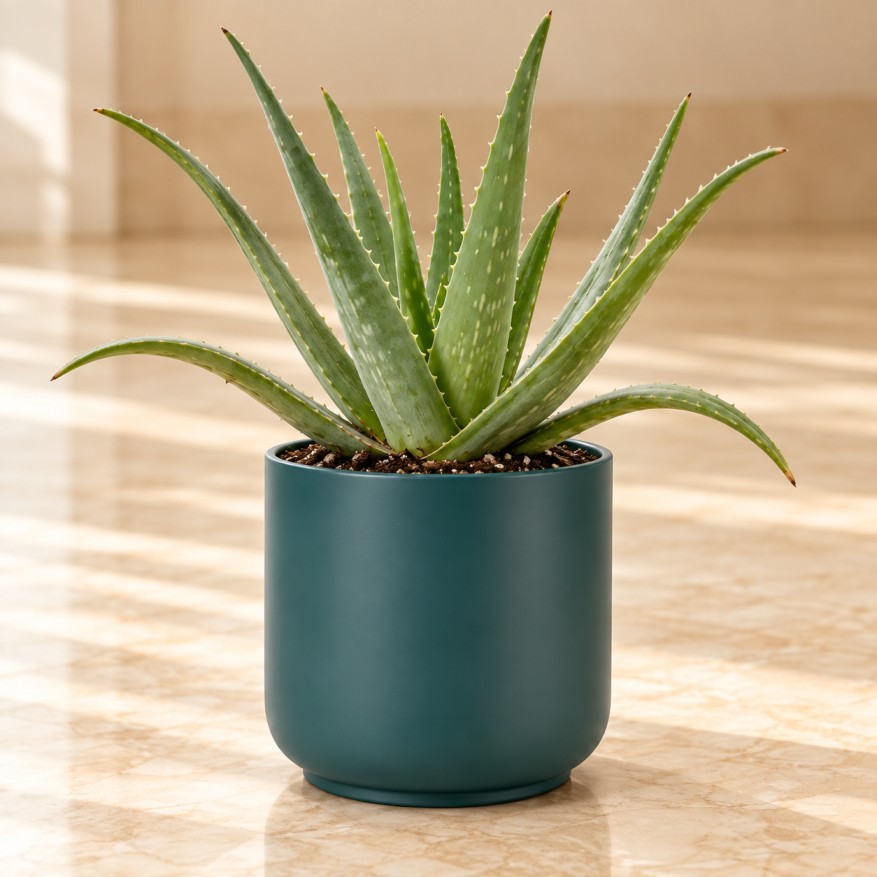
Aloe barbadensis
Water sparingly, allowing soil to dry between waterings
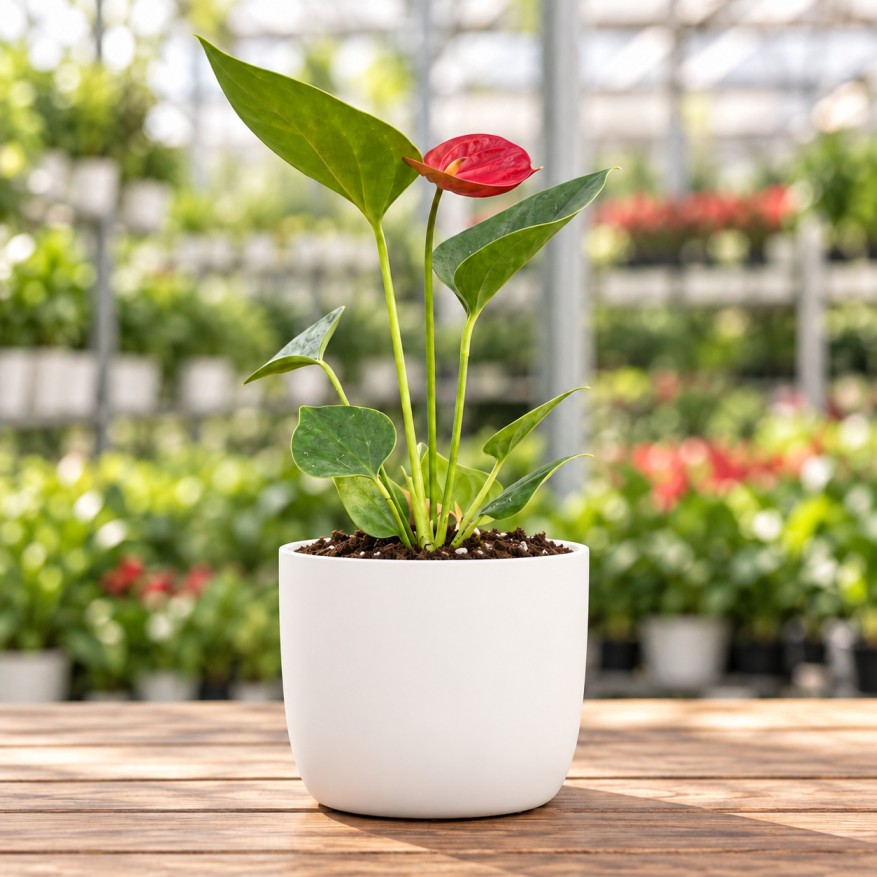
Anthurium andraeanum
Water every 3–5 days when the top inch of soil feels dry. Keep soil consistently moist but never waterlogged. Reduce watering during monsoons.
Next step
Shop curated stock, register it in your garden, and get care reminders tailored to this species.
