Plant guide
Philodendron spp.
Philodendron
Expert care guidance for a thriving home jungle
Why plant parents love it
Philodendrons are among the most beloved indoor tropical plants, praised for their lush foliage and impressive adaptability. Native to tropical rainforests, these versatile plants come in both vine-like trailing and upright self-heading varieties, making them ideal for hanging baskets, moss poles, or tabletop decor.
In Indian homes, Philodendrons thrive exceptionally well due to the warm climate. They add an instant tropical aesthetic to living rooms and balconies while effectively purifying indoor air, making them a staple choice for both beginner and experienced plant owners.
Ready to grow with CareMyPlant?
Shop a healthy specimen, then unlock care reminders and Plant Doctor support in your garden.
Water
Keep the rhythm simple
Water when the top 1-2 inches of soil feel dry. Water roughly 1-2 times a week during summer, reducing frequency during monsoons and winter.
Light
Find its happy spot
Thrives in bright, indirect sunlight. Tolerates medium light levels, but direct sunlight will scorch the leaves.
Soil
Roots that breathe
Well-draining, porous potting mix containing coco peat, garden soil, compost, and perlite or charcoal bits.
Feed
Gentle growth fuel
Feed with a balanced liquid fertilizer once a month during spring and summer. Withhold fertilizer in winter.
Pro tips
Small habits that keep Philodendron looking shop-fresh at home.
Stay ahead of trouble
Philodendron Bacterial Blight
highPhilodendron Bacterial Blight (often caused by Erwinia or Pectobacterium species) is a fast-moving, destructive infection that affects popular indoor Philodendron varieties like Heartleaf, Birkin, and Brasil. It attacks foliage and stems, creating wet, slimy lesions that rapidly enlarge and degrade leaf tissue within a few days. Beginners typically notice small, dark, translucent patches on the foliage that resemble wet paper. Unlike dry fungal spots, bacterial lesions spread quickly, often accompanied by a faint sour odor as the leaf structure breaks down into mush. In Indian homes, this infection frequently flares up during the high-humidity monsoon months or in unventilated AC rooms. Overwatering, overhead watering, and frequent leaf misting create stagnant moisture on the leaves, allowing bacteria to enter and proliferate.
Keep exploring
More plant profiles to help you build a thriving indoor jungle.
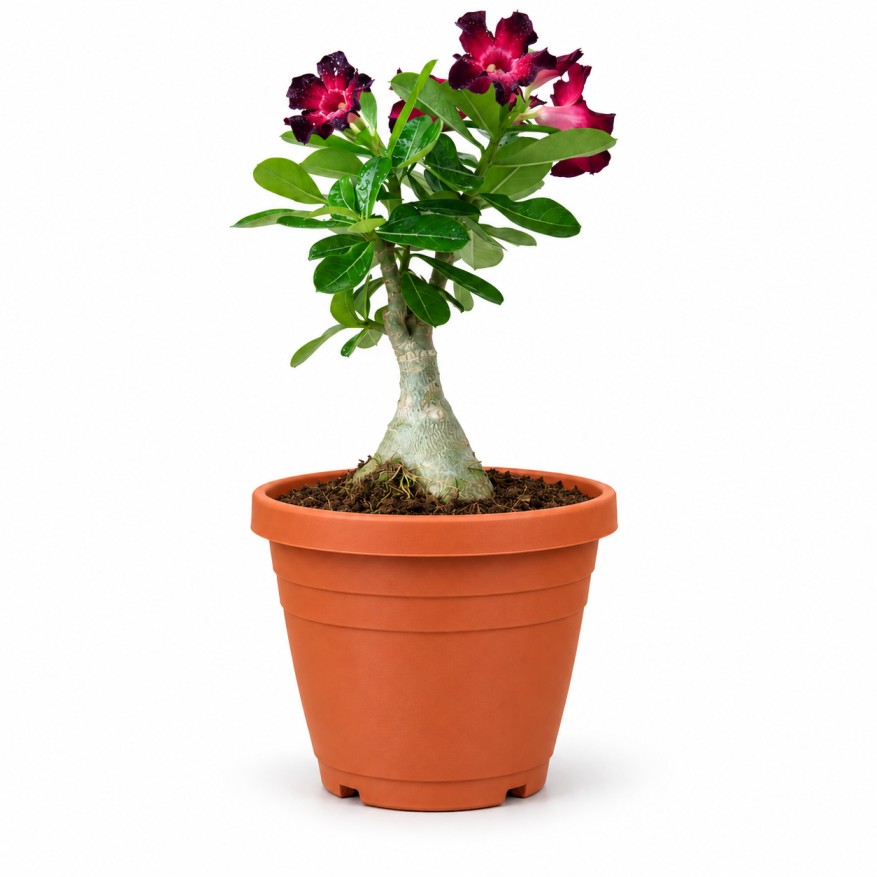
Adenium obesum
Water thoroughly only when the soil is completely dry. Reduce watering significantly during monsoons and winter dormancy.
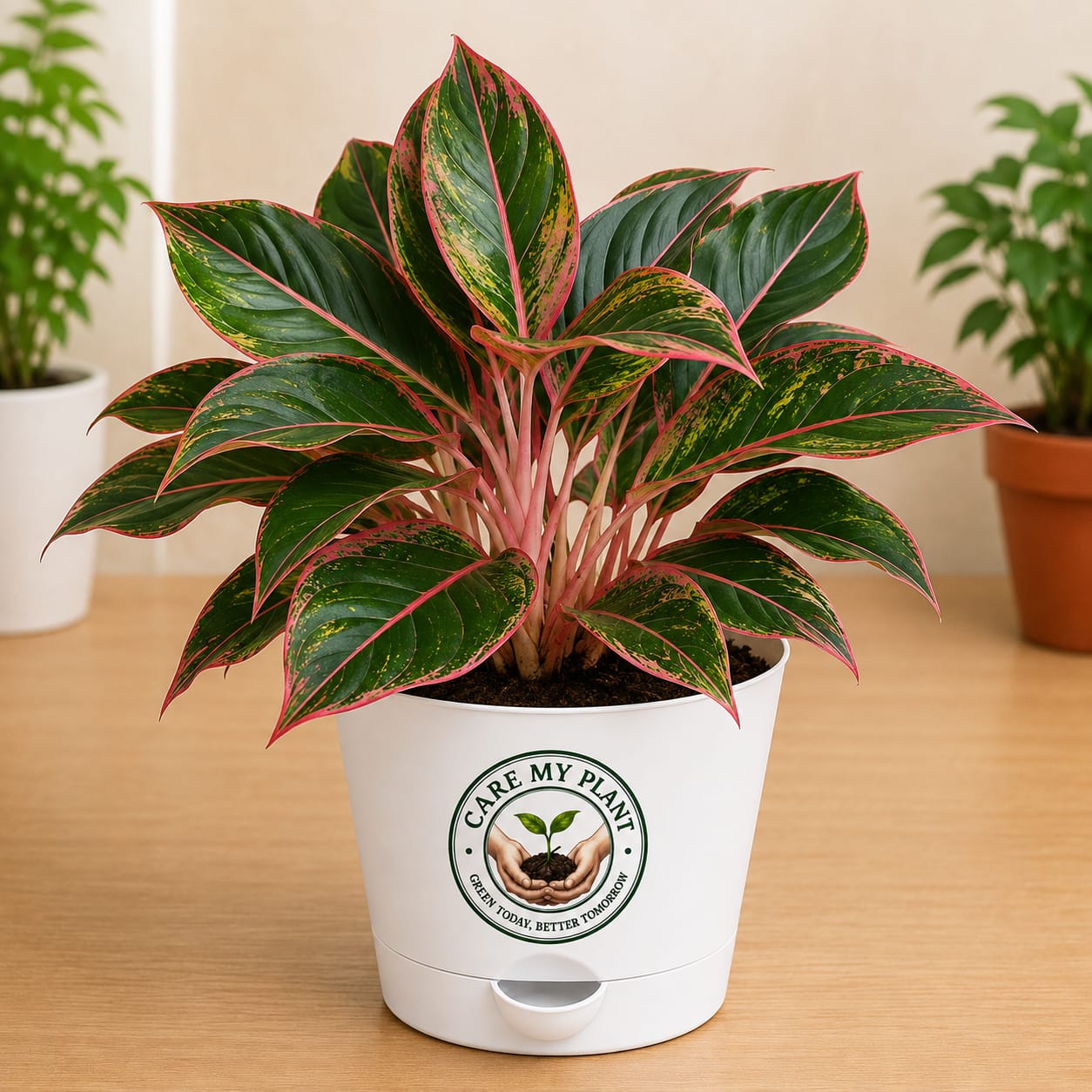
Aglaonema commutatum 'Lipstick'
Water every 5–7 days during summer when the top inch of soil feels dry. Reduce watering to every 10–14 days in winter and monsoon.
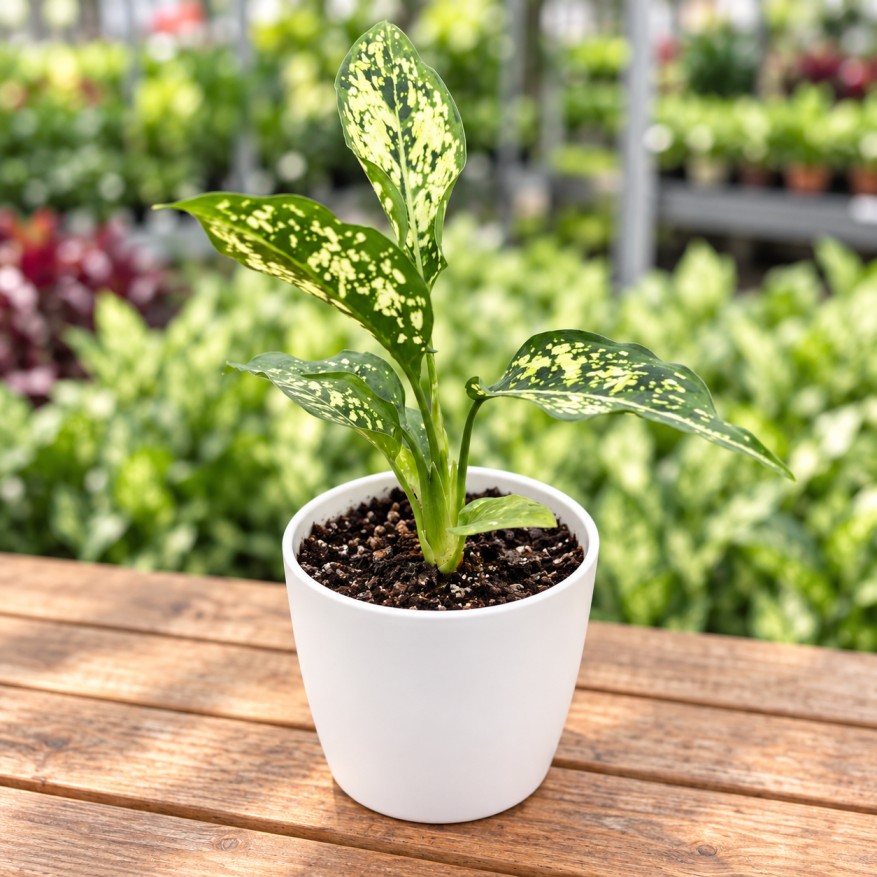
Aglaonema modestum
Water sparingly, allowing soil to dry slightly between waterings
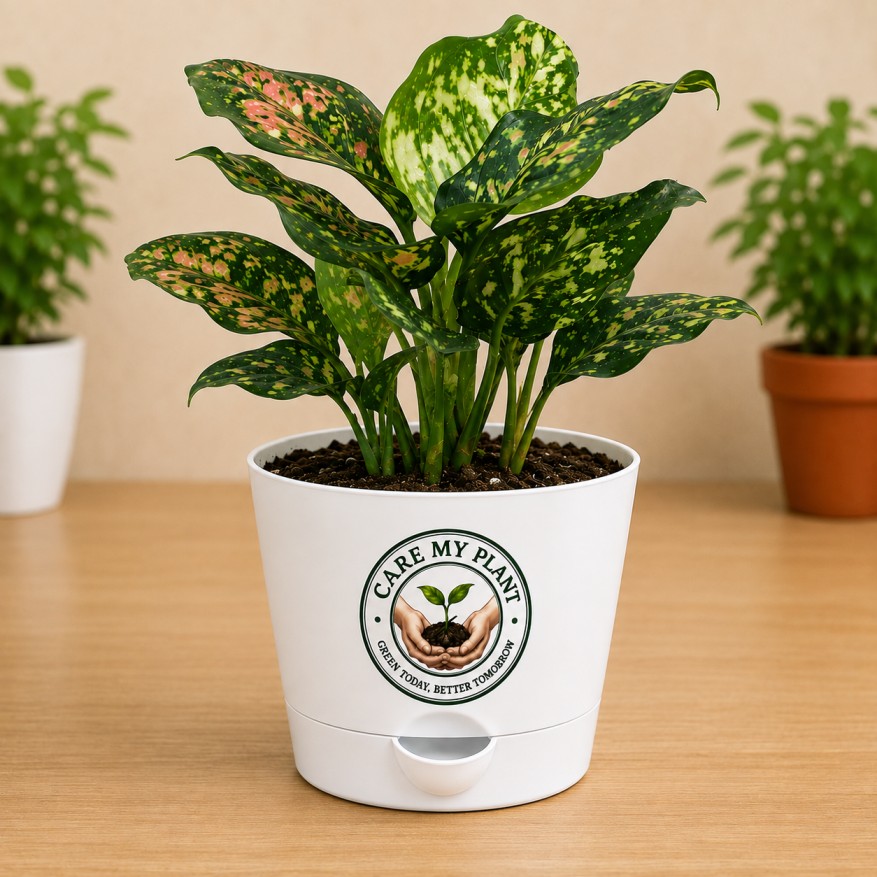
Aglaonema pictum 'Tricolor'
Water every 5-7 days in summer when top 2 inches of soil dry out. Reduce to once every 10-14 days during winter and humid monsoon weeks.
Aloe barbadensis
Water sparingly, allowing soil to dry between waterings
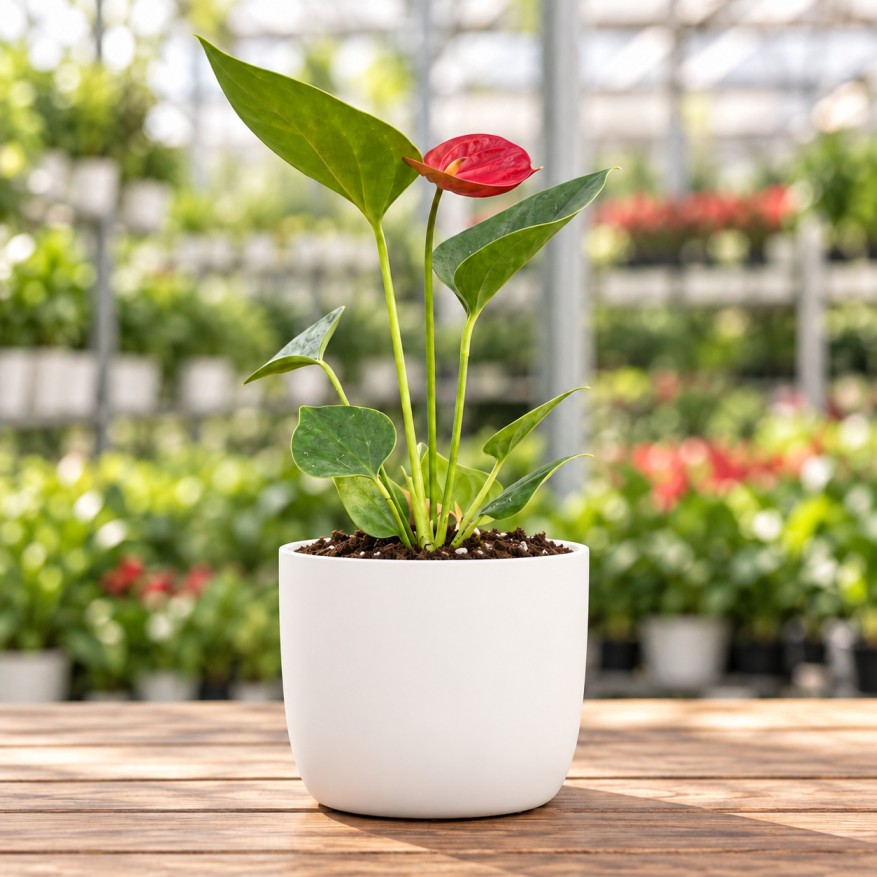
Anthurium andraeanum
Water every 3–5 days when the top inch of soil feels dry. Keep soil consistently moist but never waterlogged. Reduce watering during monsoons.
Next step
Shop curated stock, register it in your garden, and get care reminders tailored to this species.
