Plant guide
Spathiphyllum
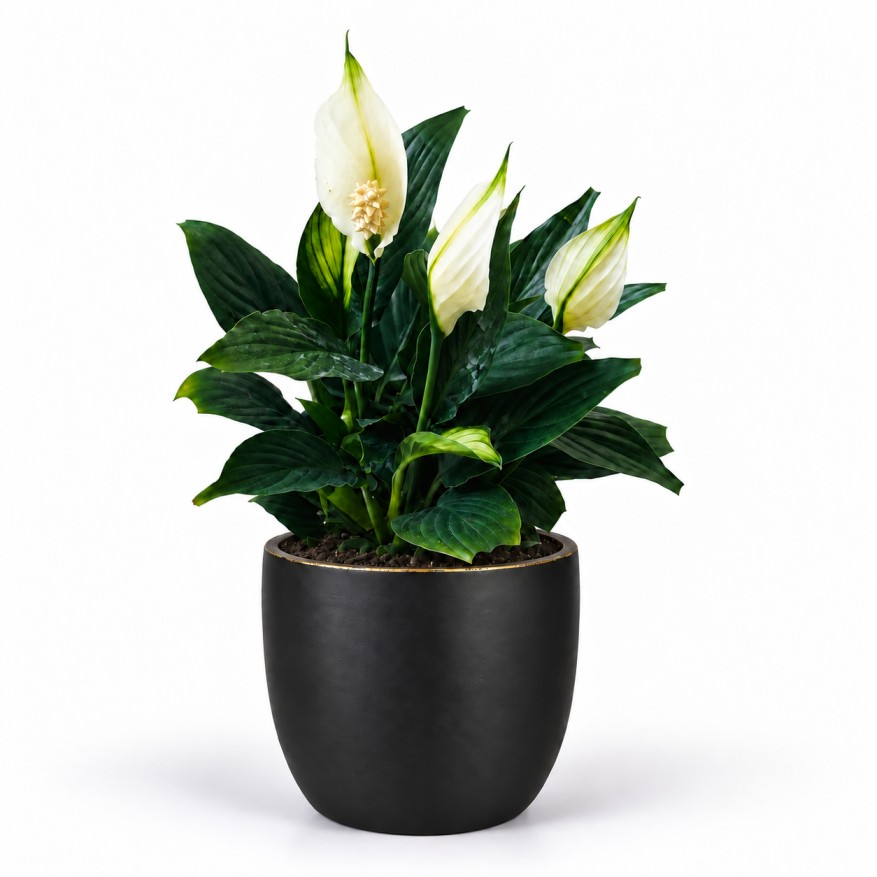
Why plant parents love it
The Peace Lily is one of the most popular indoor foliage plants in Indian households, revered for its striking dark green leaves and serene white blooms called spathes. Renowned as a powerful air purifier, it effectively filters common indoor toxins such as benzene, formaldehyde, and carbon monoxide.
Thriving in warm, humid conditions, the Peace Lily is exceptionally well-suited for Indian tropical climates. It adds a touch of elegance to living rooms, shaded balconies, and office spaces while remaining forgiving for plant parents of all experience levels.
Ready to grow with CareMyPlant?
Shop a healthy specimen, then unlock care reminders and Plant Doctor support in your garden.
Water
Keep the rhythm simple
Water thoroughly when the top inch of soil feels dry. The plant dramatic drooping indicates it needs water, but avoid soggy soil.
Light
Find its happy spot
Thrives in medium to bright indirect light. Can tolerate low light, though bright indirect sunlight encourages frequent blooming.
Soil
Roots that breathe
Well-draining, organic-rich potting mix containing coco peat, compost, and perlite or sand.
Feed
Gentle growth fuel
Apply a balanced liquid fertilizer every 4-6 weeks during spring and summer monsoon months; reduce in winter.
Pro tips
Small habits that keep Peace Lily looking shop-fresh at home.
Shop the look
Live plants linked to this guide — healthy stock, ready for your space.
Stay ahead of trouble
Peace Lily Root Rot
highPeace Lily Root Rot is a fungal condition that occurs when the roots of a Peace Lily (Spathiphyllum) sit in overly wet, waterlogged soil for extended periods. Oxygen is cut off from the root system, causing the roots to decay and leaving the plant unable to absorb moisture or nutrients. Beginners frequently mistake the plant's characteristic drooping for dehydration and respond by adding more water, which worsens the damage. Key indicators include a plant that remains limp even after watering, yellowing or blackening leaf tips, and a damp, sour smell coming from the pot. In Indian households, this issue is especially prevalent during the monsoon months when indoor humidity slows down soil evaporation. It also frequently occurs when plants are kept in dimly lit, air-conditioned rooms or planted in decorative containers lacking adequate drainage holes.
Keep exploring
More plant profiles to help you build a thriving indoor jungle.
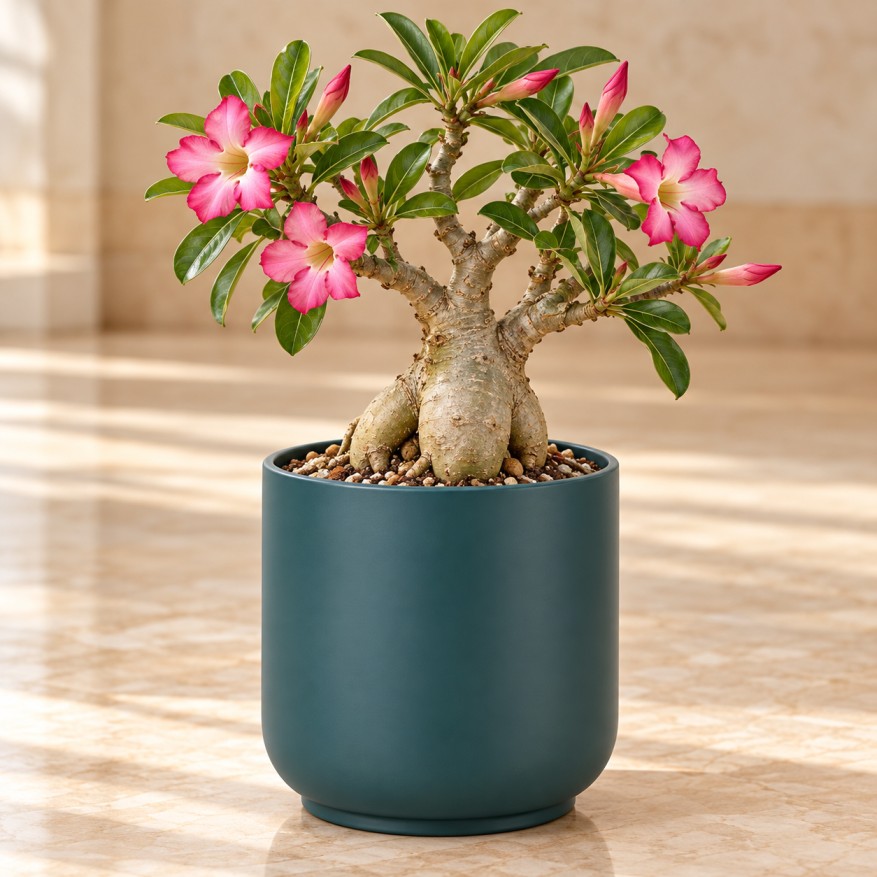
Adenium obesum
Water thoroughly only when the soil is completely dry. In summer, water once or twice a week; drastically cut back during winter and shield from heavy monsoon rain.
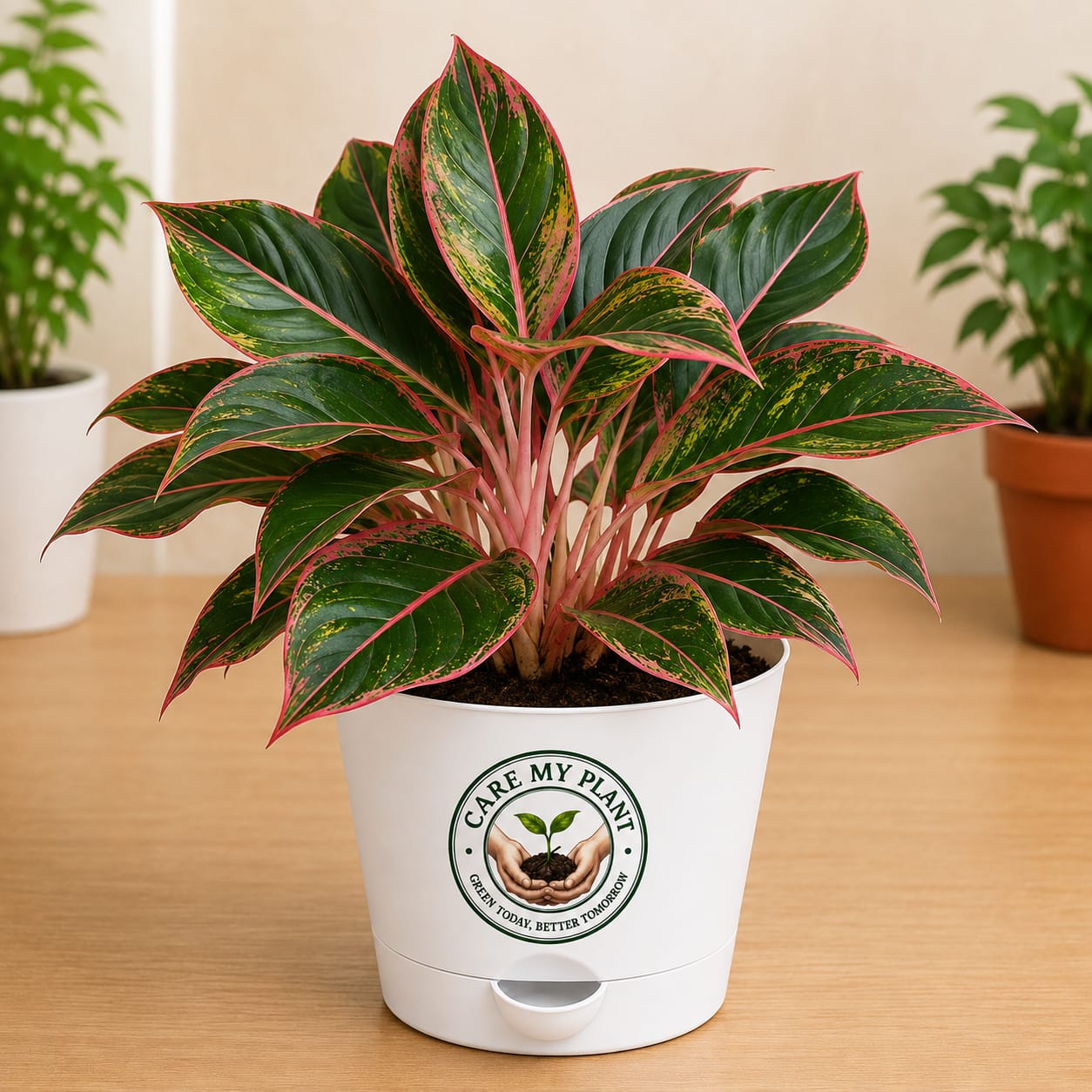
Aglaonema commutatum 'Lipstick'
Water every 5–7 days during summer when the top inch of soil feels dry. Reduce watering to every 10–14 days in winter and monsoon.
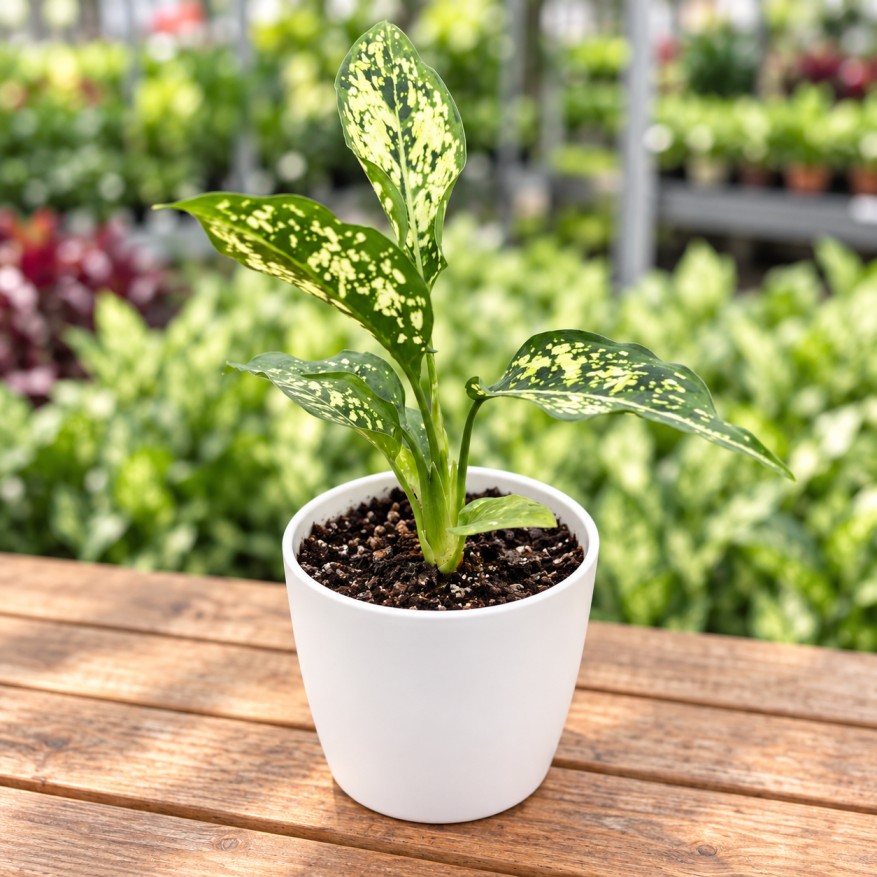
Aglaonema modestum
Water sparingly, allowing soil to dry slightly between waterings
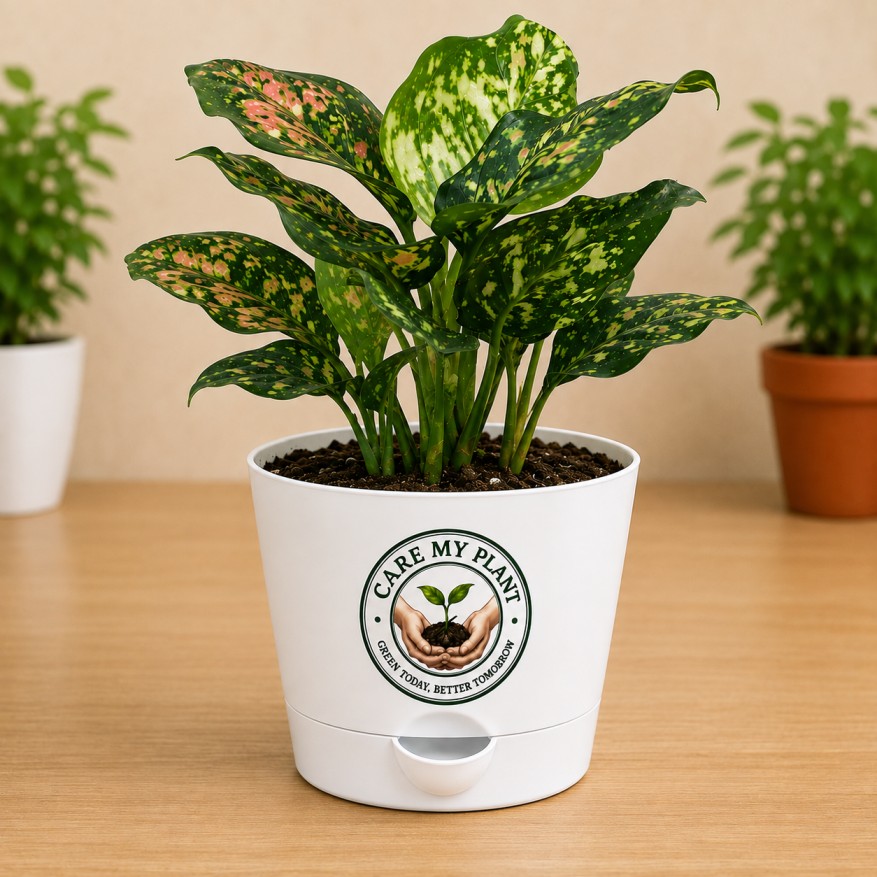
Aglaonema pictum 'Tricolor'
Water every 5-7 days in summer when top 2 inches of soil dry out. Reduce to once every 10-14 days during winter and humid monsoon weeks.
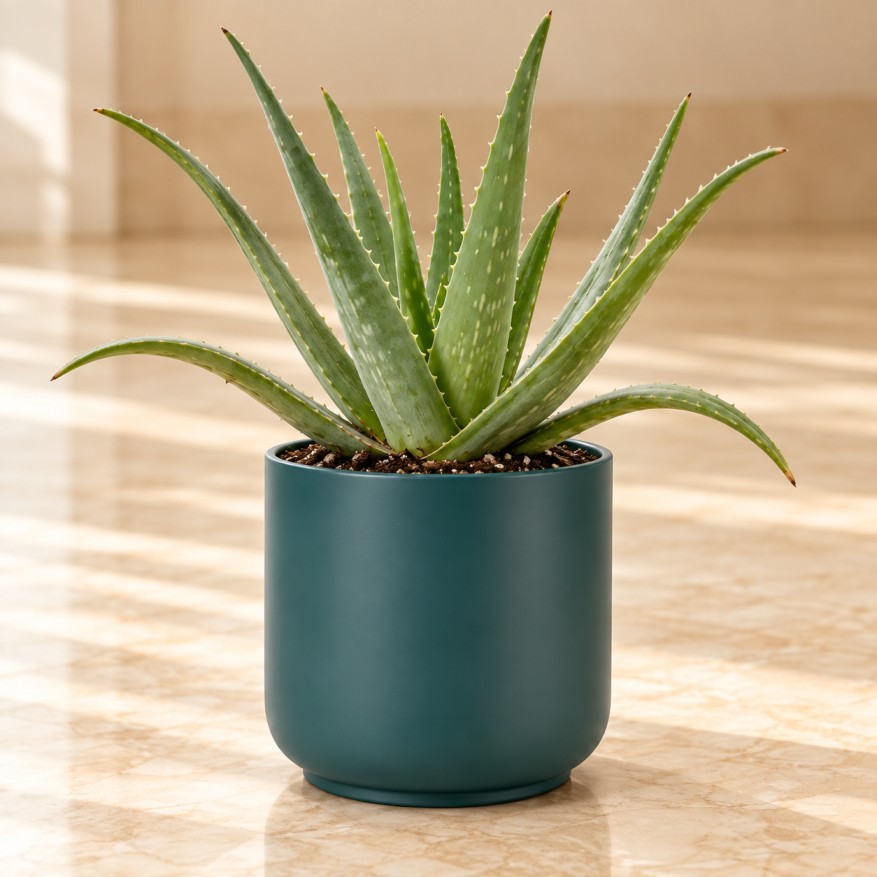
Aloe barbadensis
Water sparingly, allowing soil to dry between waterings
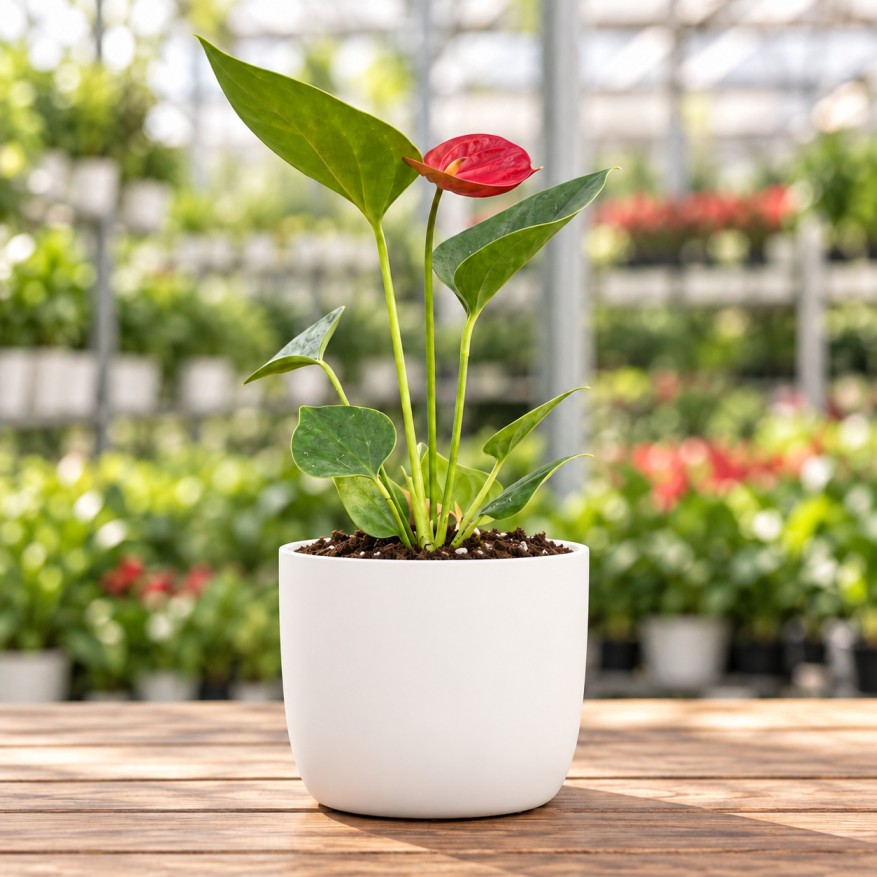
Anthurium andraeanum
Water every 3–5 days when the top inch of soil feels dry. Keep soil consistently moist but never waterlogged. Reduce watering during monsoons.
Next step
Shop curated stock, register it in your garden, and get care reminders tailored to this species.

