Plant guide
Tagetes erecta
Marigold
Expert care guidance for a thriving home jungle
Why plant parents love it
Marigold, locally cherished as 'Genda', is one of India's most iconic and beloved flowering plants. Deeply woven into Indian culture, worship, and festive decor, its bright golden-yellow, vibrant orange, and deep red blossoms bring immediate warmth and cheer to any balcony, terrace, or garden bed.
Beyond their decorative charm, marigolds are functional powerhouses in urban and kitchen gardens. Their fragrant foliage and roots act as natural pest deterrents, helping to repel mosquitoes, whiteflies, and soil nematodes. They are an essential companion plant for home-grown vegetables like tomatoes and chillies.
Exceptionally resilient and easy to grow, marigolds thrive in warm weather and reward minimal effort with an abundance of long-lasting blooms. They are ideal for both beginner gardeners and seasoned plant enthusiasts across Indian climate zones.
Ready to grow with CareMyPlant?
Shop a healthy specimen, then unlock care reminders and Plant Doctor support in your garden.
Water
Keep the rhythm simple
Water every 2-3 days when the top inch of soil feels dry. Avoid soggy soil and reduce watering during the monsoon to prevent root rot.
Light
Find its happy spot
Thrives in full sun, requiring at least 5-6 hours of direct sunlight daily for maximum flower production.
Soil
Roots that breathe
Well-draining compost-rich soil or standard red garden soil mixed with coco peat and sand.
Feed
Gentle growth fuel
Apply a liquid flower fertilizer or mustard cake solution every 2-3 weeks during the blooming season.
Pro tips
Small habits that keep Marigold looking shop-fresh at home.
Stay ahead of trouble
Damping-Off
highDamping-off is a devastating fungal condition caused by soil-borne pathogens like Pythium, Rhizoctonia, and Phytophthora that attack young marigold seedlings. It primarily affects seeds during germination or weak young sprouts right at the soil level, causing the stem tissues to become water-soaked, turn brown, and collapse rapidly. Beginners typically notice seemingly healthy marigold sprouts falling over overnight, as if pinched at the base. In Indian home gardens, this issue peaks during the heavy monsoon season or in hot, humid conditions when gardeners overwater seed trays, use unsterilized topsoil, or keep seedling trays in shaded, stagnant locations. Because infected seedlings rarely recover, management relies heavily on preventative cultural practices. Ensuring well-aerated potting media, proper spacing, clear tray drainage, and warm, gentle air movement will keep your marigold nurseries resilient and healthy.
Leaf Spot and Blight
mediumLeaf Spot and Blight in marigolds is a widespread fungal disease caused primarily by Alternaria or Cercospora species. It attacks the foliage, stems, and flower buds of these vibrant bloomers, turning healthy green foliage into spotted, decaying leaves. Beginners usually notice tiny reddish-brown or dark purple specks on the lower leaves. As the disease advances, these spots enlarge into irregular patches, often surrounded by yellow halos. Affected leaves dry up, curl, and drop off early, while flower buds may turn dark and fail to bloom. In Indian home gardens, leaf spot thrives during the warm monsoon months or high-humidity periods. Overhead watering with a hose or overcrowding pots on tight balcony racks traps moisture on the leaves, creating ideal conditions for fungal spores to spread.
Powdery Mildew
mediumPowdery Mildew is a common fungal infection that affects marigold plants, easily recognized by a distinct white or grayish powdery coating on leaves, stems, and flower buds. It is caused by fungal spores that spread through the air and thrive when foliage stays dry in high-humidity environments with restricted airflow. In Indian home gardens, this disease is especially prevalent during late autumn, winter, and the post-monsoon period when days are warm and nights are cool and humid. Overcrowded balcony pots and shaded outdoor setups create an ideal environment for the fungus to establish itself on sensitive marigold foliage. While Powdery Mildew is rarely fatal if caught early, it deprives the plant of sunlight, leading to weakened stems, yellowing foliage, and poor flower production. Prompt action using home remedies and proper plant spacing can quickly restore your marigolds to health.
Keep exploring
More plant profiles to help you build a thriving indoor jungle.
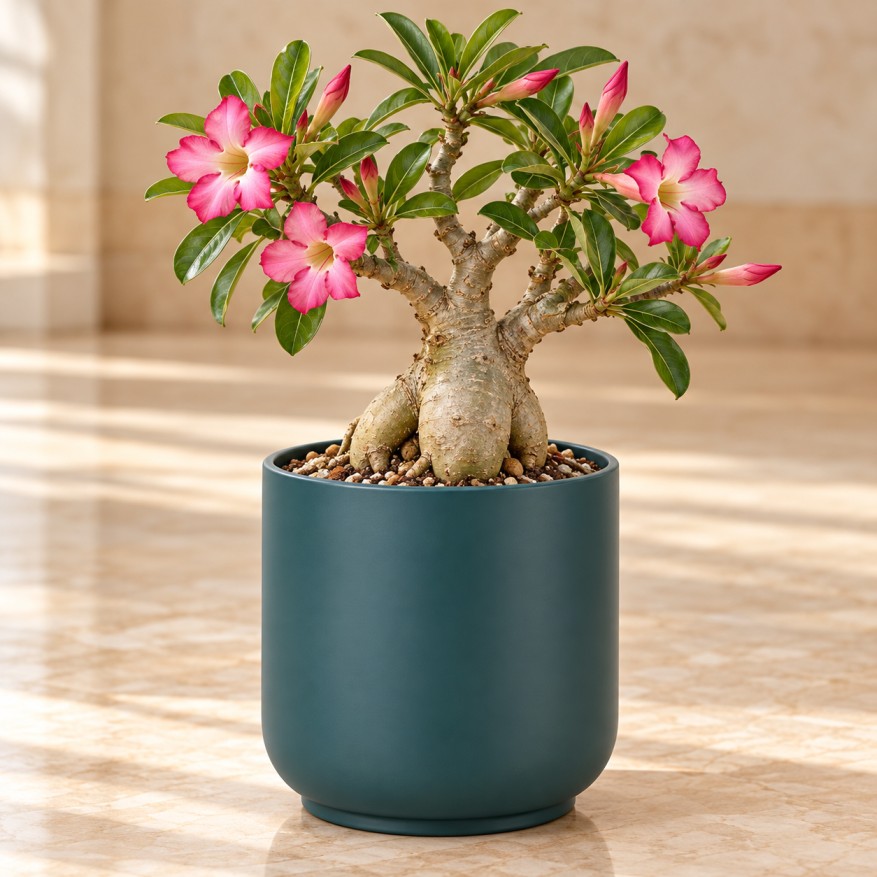
Adenium obesum
Water thoroughly only when the soil is completely dry. In summer, water once or twice a week; drastically cut back during winter and shield from heavy monsoon rain.

Aglaonema commutatum 'Lipstick'
Water every 5–7 days during summer when the top inch of soil feels dry. Reduce watering to every 10–14 days in winter and monsoon.
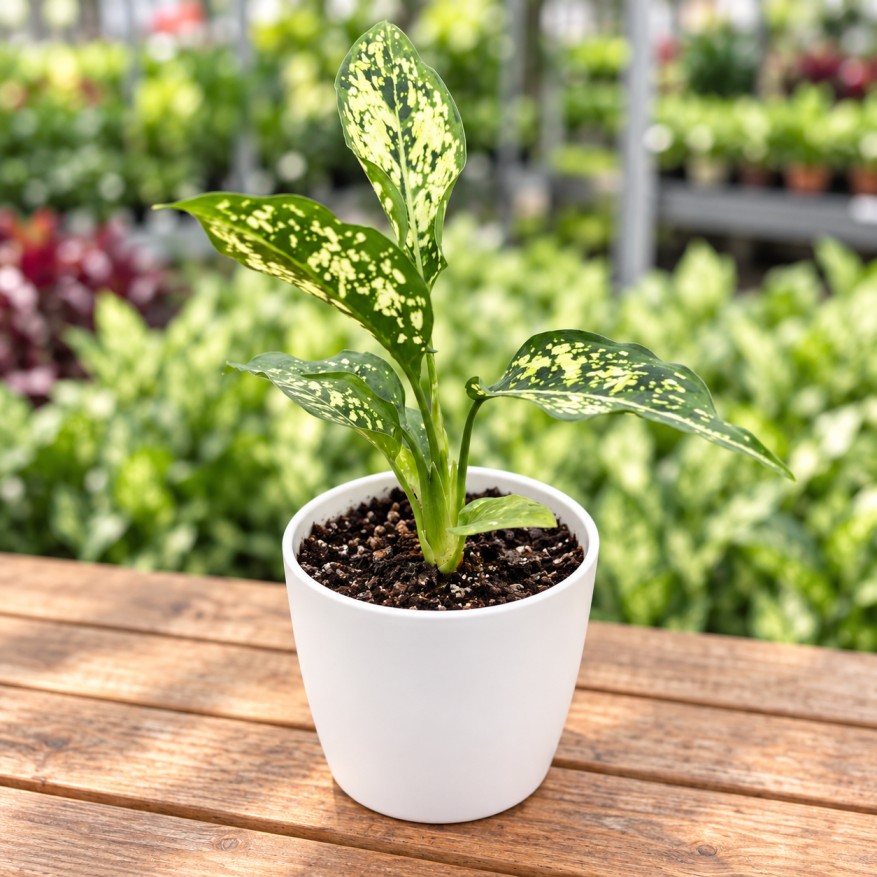
Aglaonema modestum
Water sparingly, allowing soil to dry slightly between waterings
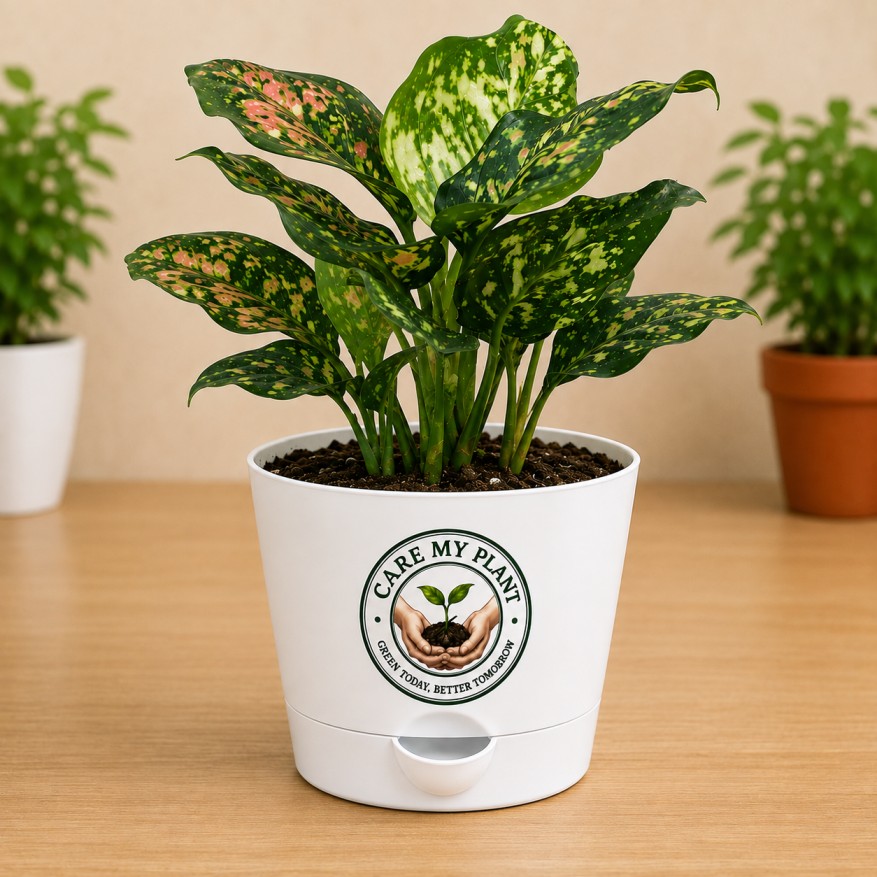
Aglaonema pictum 'Tricolor'
Water every 5-7 days in summer when top 2 inches of soil dry out. Reduce to once every 10-14 days during winter and humid monsoon weeks.
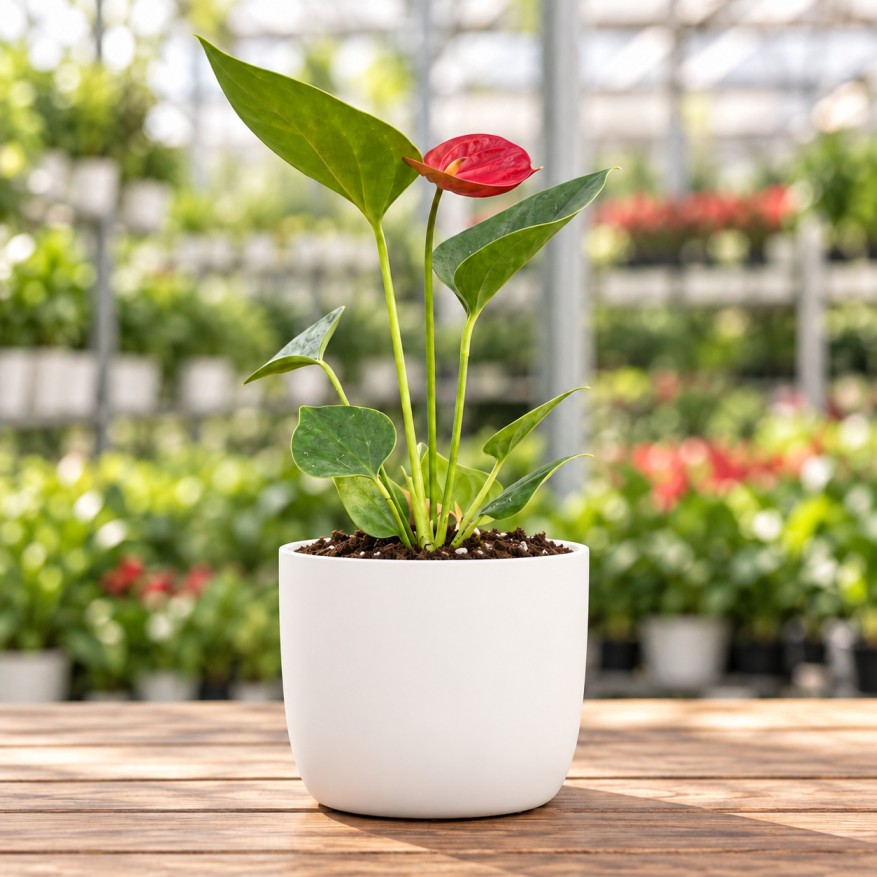
Anthurium andraeanum
Water every 3–5 days when the top inch of soil feels dry. Keep soil consistently moist but never waterlogged. Reduce watering during monsoons.
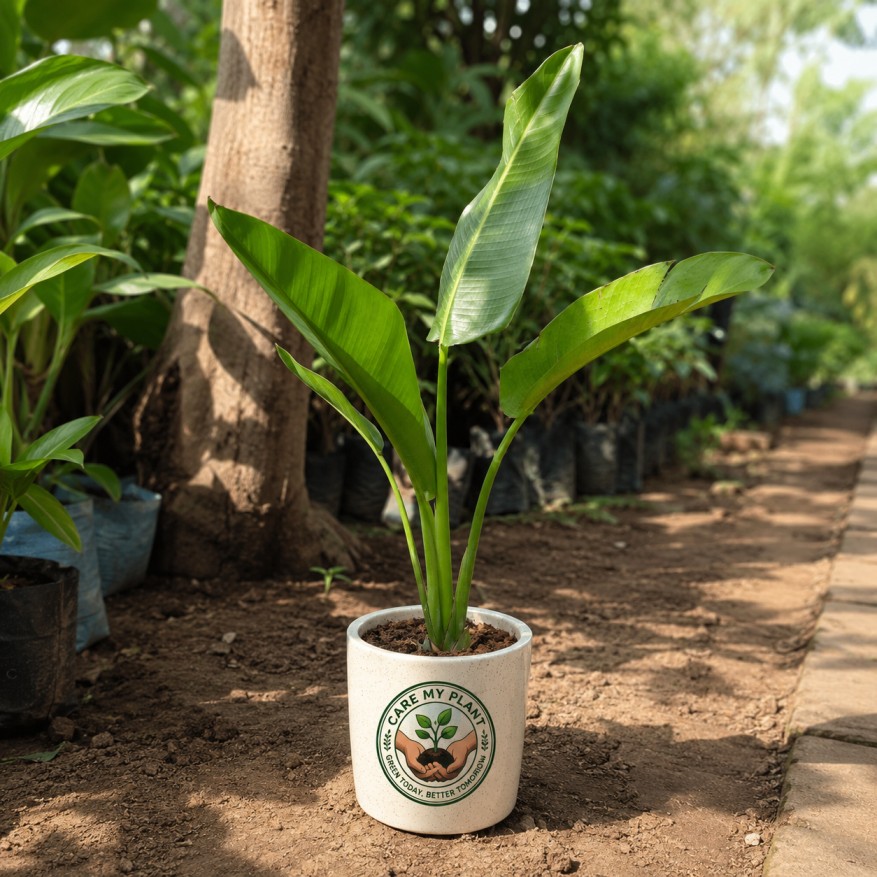
Strelitzia reginae
Water thoroughly, allowing soil to dry slightly between waterings
Next step
Shop curated stock, register it in your garden, and get care reminders tailored to this species.
