Plant guide
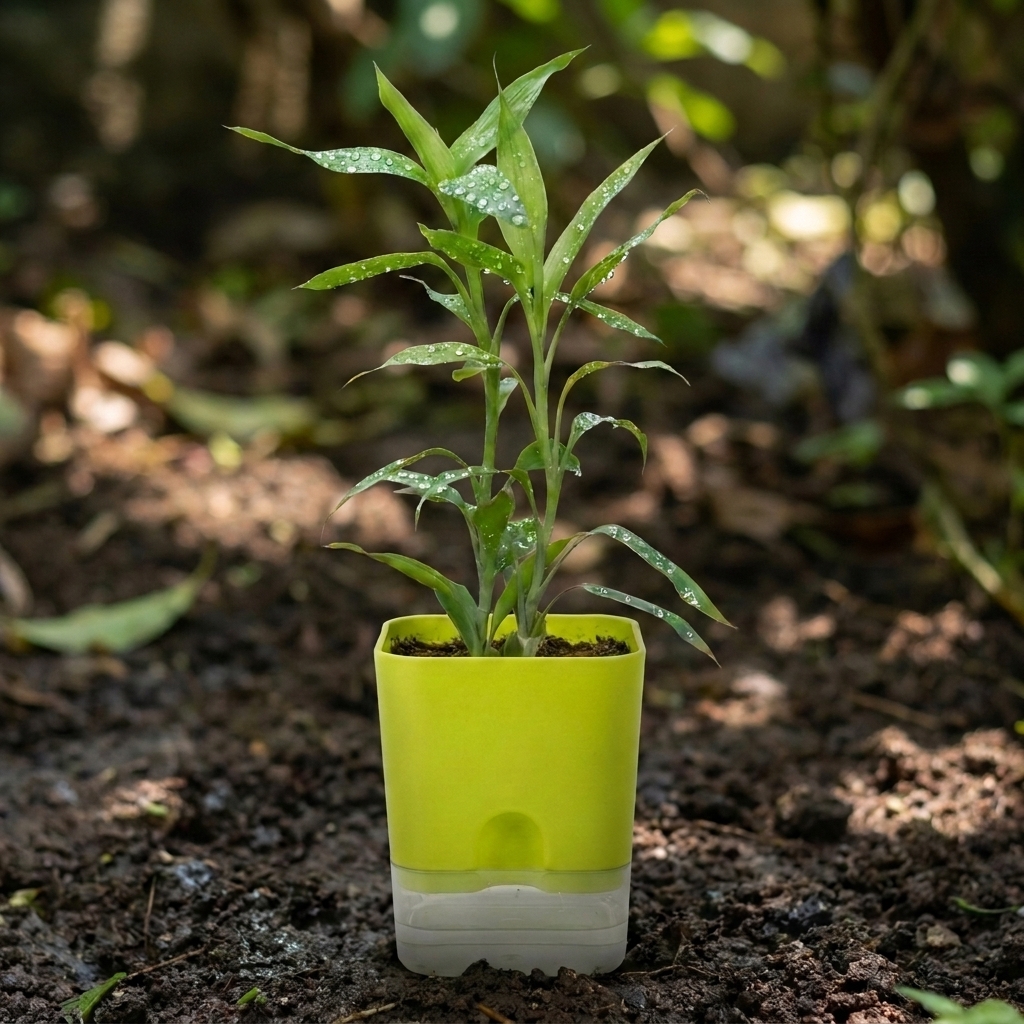
Dracaena sanderiana
Why plant parents love it
Lucky Bamboo is one of the most popular indoor plants in Indian households, revered both for its aesthetic charm and its strong association with Feng Shui as a symbol of good fortune, wealth, and positive energy.
Despite its common name, it is not actually a true bamboo but a member of the Dracaena family. It can be easily grown either in water filled with smooth pebbles or in traditional well-draining soil mix, making it a versatile decorative centerpiece for dining tables, office desks, and living room corners.
Extremely resilient and low-maintenance, Lucky Bamboo thrives in warm, humid Indian indoor environments and adapts well to low-light conditions, making it perfect for novice plant parents and busy working professionals.
Ready to grow with CareMyPlant?
Shop a healthy specimen, then unlock care reminders and Plant Doctor support in your garden.
Water
Keep the rhythm simple
If grown in water, change container water every 7-10 days using RO water. If grown in soil, keep the topsoil lightly moist.
Light
Find its happy spot
Thrives in bright, indirect sunlight. Protect from direct harsh summer sun to prevent leaf scorching.
Soil
Roots that breathe
Grows well in pure RO water with pebbles, or a lightweight, well-draining potting soil with perlite.
Feed
Gentle growth fuel
Feed with a drop of diluted liquid houseplant fertilizer once a month in spring and summer. Avoid over-fertilizing.
Pro tips
Small habits that keep Lucky Bamboo looking shop-fresh at home.
Shop the look
Live plants linked to this guide — healthy stock, ready for your space.
Stay ahead of trouble
Lucky Bamboo Stem Rot
highLucky Bamboo (Dracaena sanderiana) stem rot is a fast-spreading bacterial or fungal condition typically caused by stagnant water, high mineral accumulation, or poor aeration. It causes the healthy green stalks to degrade, turning them pale yellow, brown, or mushy from the roots upward. Beginners usually notice a single stalk in a arranged bundle turning bright yellow or orange-brown, often accompanied by soft tissue and a distinct sour or rotten odor from the water vase. Leaves on the affected stalk quickly lose their vibrant green color and droop. In Indian households, this issue is commonly triggered by using raw tap water high in chlorine, fluoride, or hard salts. Stagnant water during hot summer or humid monsoon weeks speeds up bacterial growth, while keeping the plant in dark corners or direct harsh sunlight further weakens its immunity.
Keep exploring
More plant profiles to help you build a thriving indoor jungle.
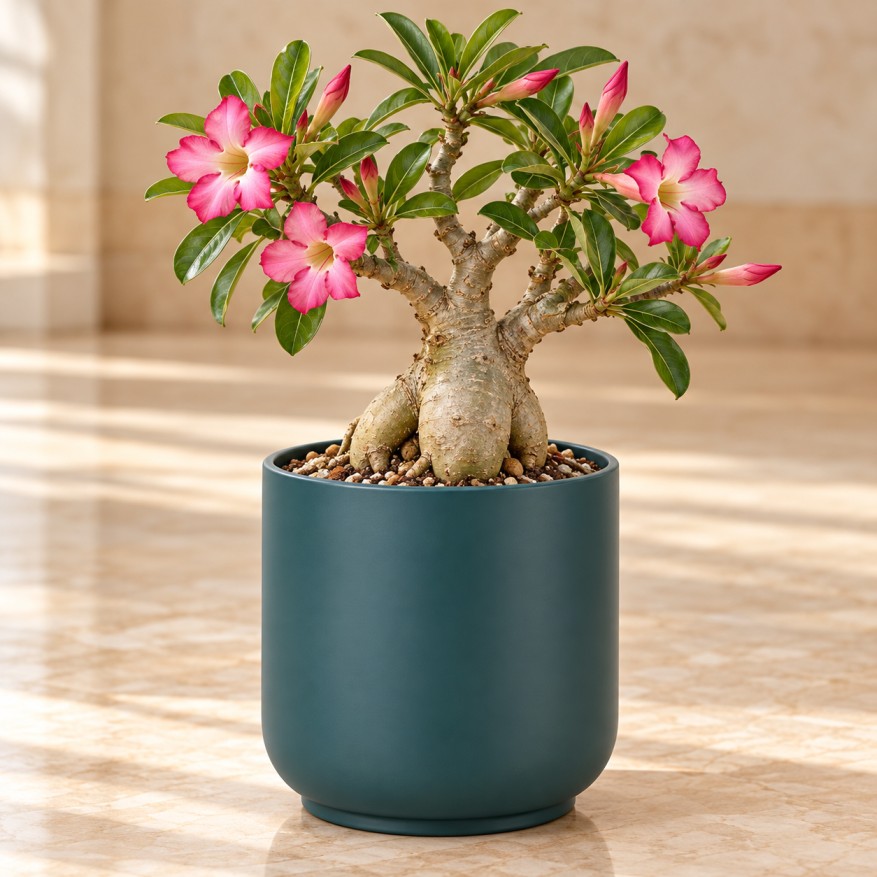
Adenium obesum
Water thoroughly only when the soil is completely dry. In summer, water once or twice a week; drastically cut back during winter and shield from heavy monsoon rain.
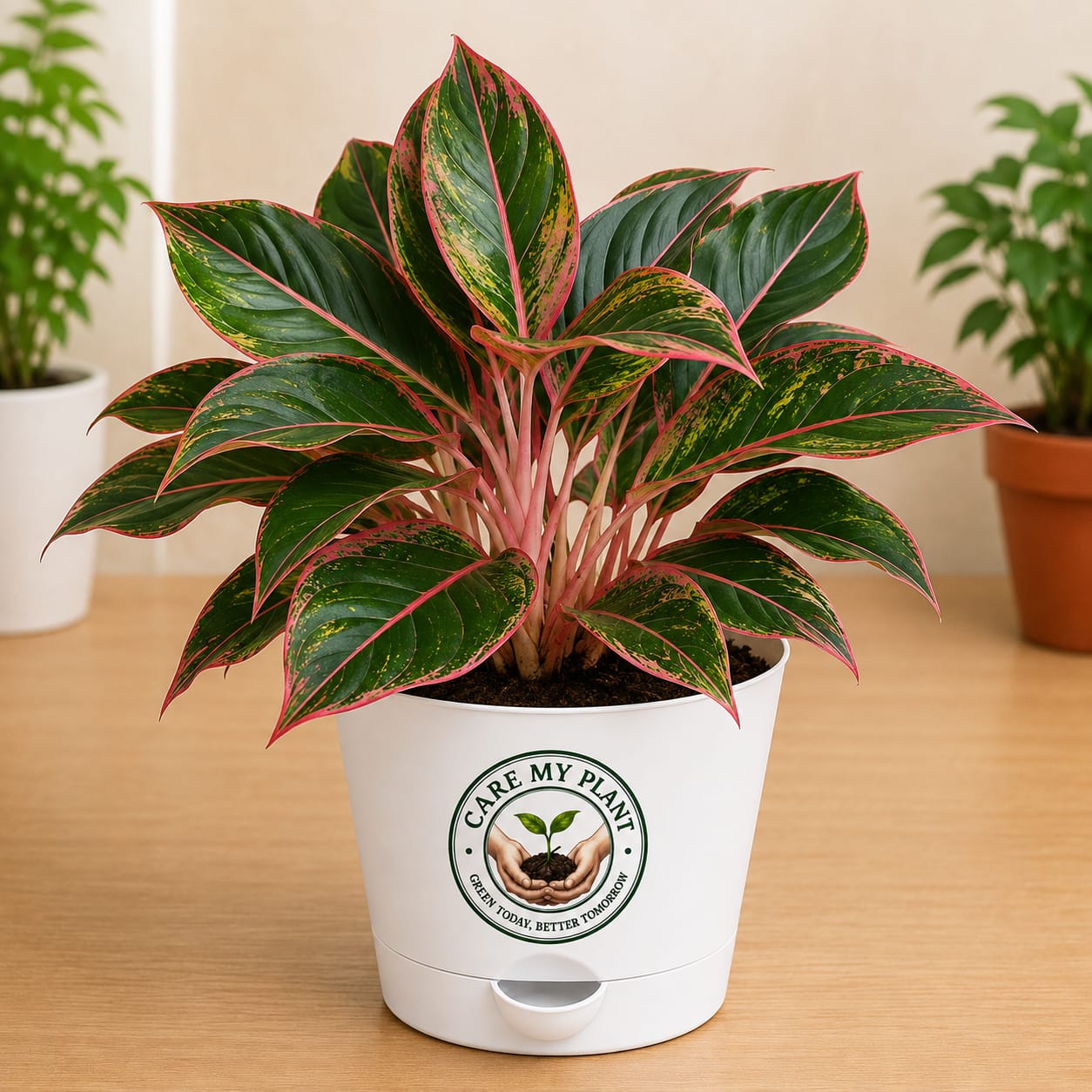
Aglaonema commutatum 'Lipstick'
Water every 5–7 days during summer when the top inch of soil feels dry. Reduce watering to every 10–14 days in winter and monsoon.
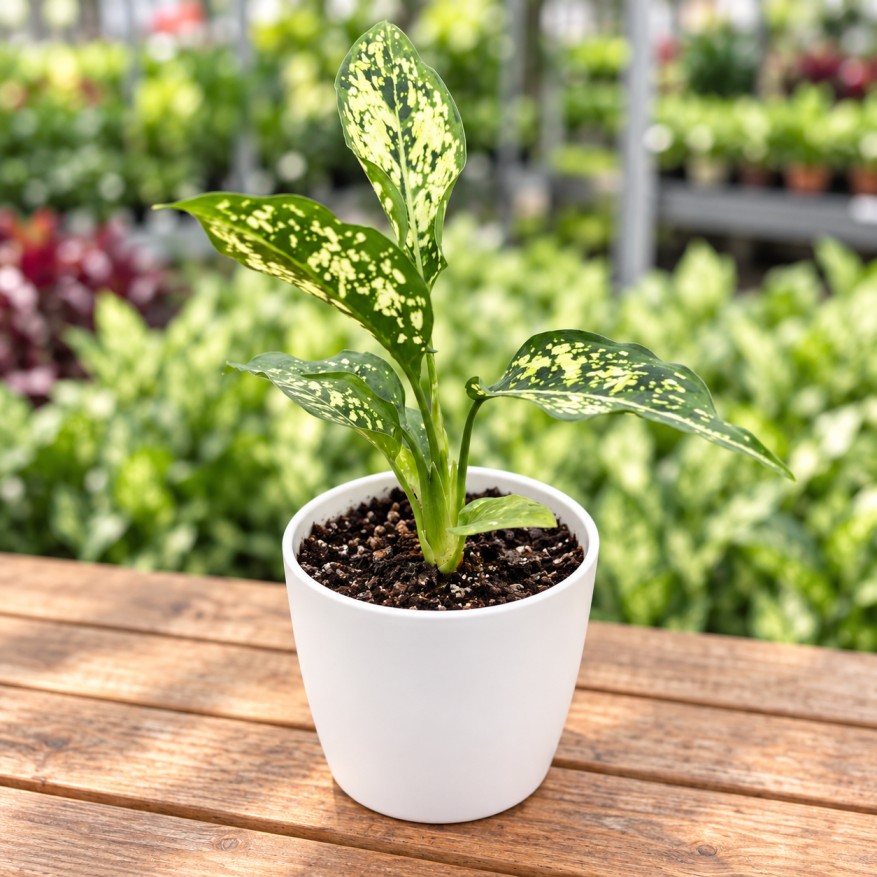
Aglaonema modestum
Water sparingly, allowing soil to dry slightly between waterings
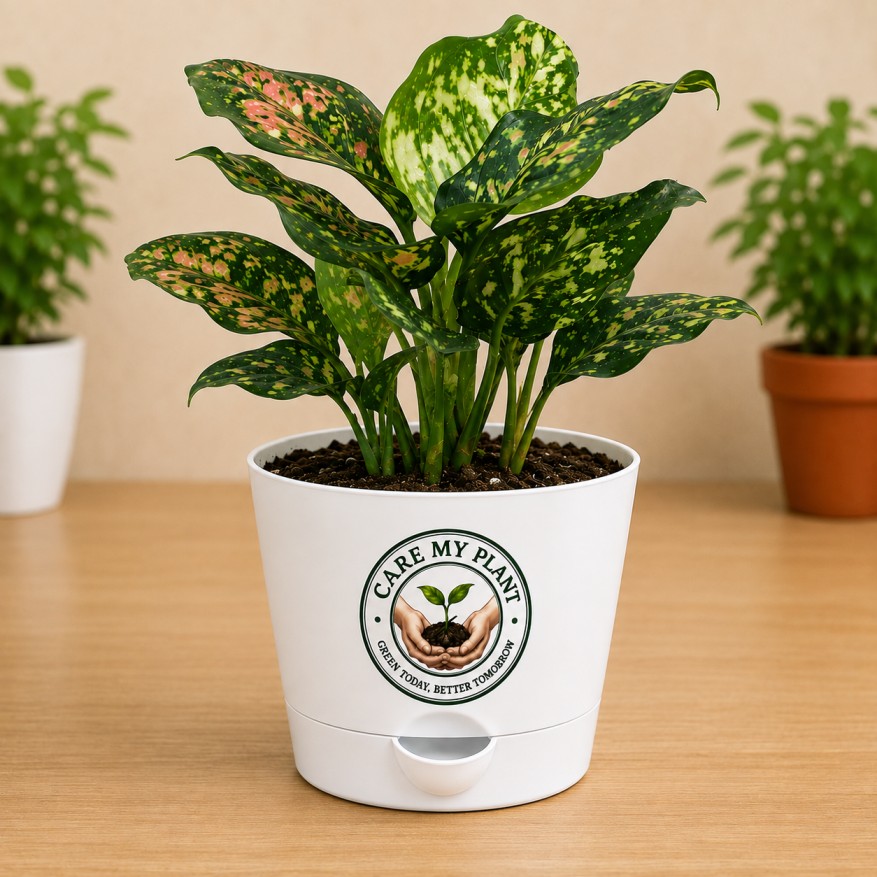
Aglaonema pictum 'Tricolor'
Water every 5-7 days in summer when top 2 inches of soil dry out. Reduce to once every 10-14 days during winter and humid monsoon weeks.
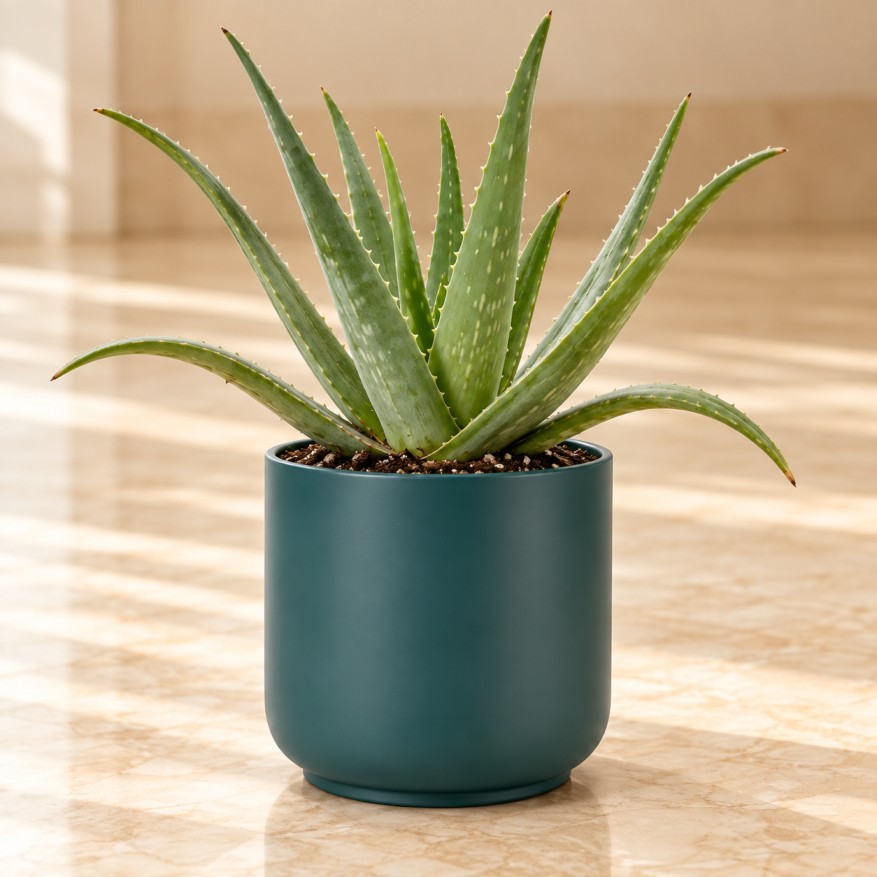
Aloe barbadensis
Water sparingly, allowing soil to dry between waterings
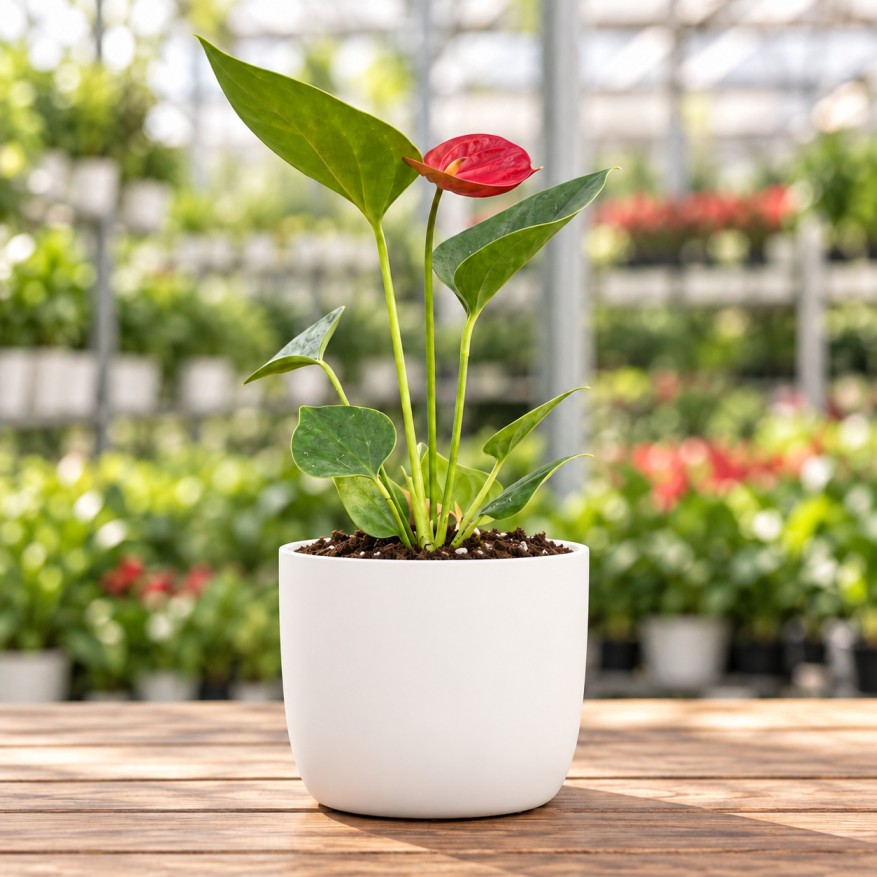
Anthurium andraeanum
Water every 3–5 days when the top inch of soil feels dry. Keep soil consistently moist but never waterlogged. Reduce watering during monsoons.
Next step
Shop curated stock, register it in your garden, and get care reminders tailored to this species.

