

Outdoor Plant · Flowering · Evergreen
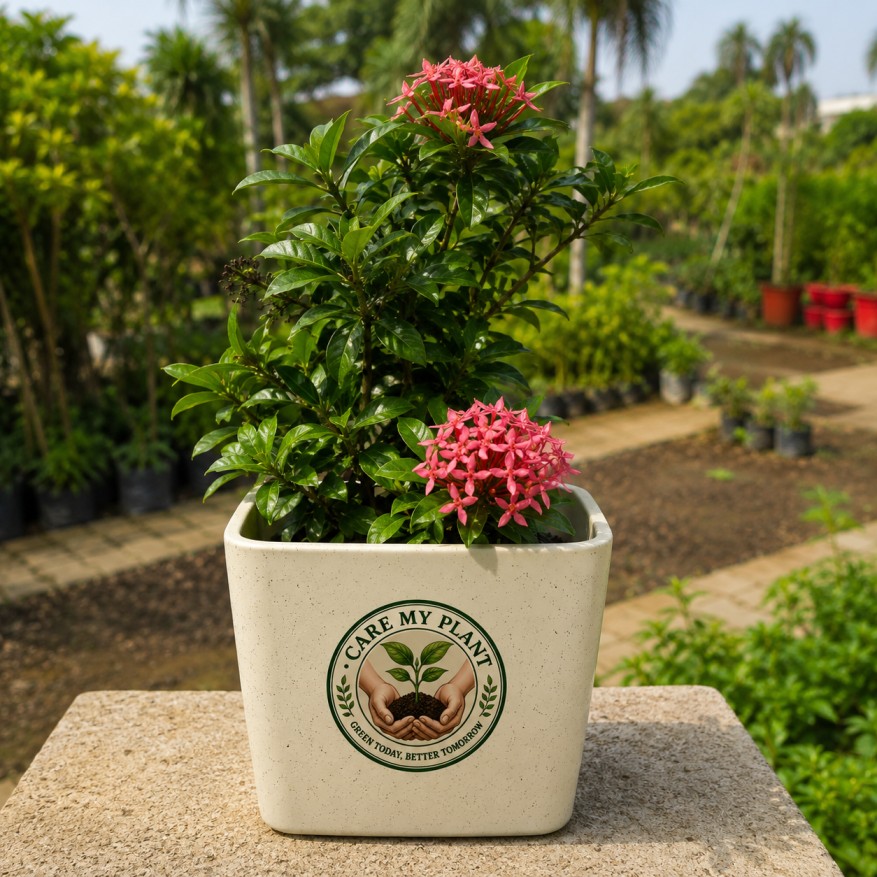
Ixora Plant
₹399₹549−27%
Plant guide
Ixora coccinea
Why plant parents love it
Ixora is a flowering plant native to tropical Asia. It is a popular ornamental plant in Indian gardens, known for its clusters of small, fragrant flowers in shades of red, orange, yellow, and pink.
Ixora is a low-maintenance plant that can thrive in a variety of conditions, making it perfect for beginners. It can be grown both indoors and outdoors, and is often used as a hedge or border plant.
In Indian homes, Ixora can be grown in containers on balconies or in gardens, where it can attract birds and butterflies with its nectar-rich flowers.
Ready to grow with CareMyPlant?
Shop a healthy specimen, then unlock care reminders and Plant Doctor support in your garden.
Water
Keep the rhythm simple
Regular watering, allowing soil to dry slightly between waterings
Light
Find its happy spot
Full sun to partial shade
Soil
Roots that breathe
Well-draining soil with a slightly acidic pH
Feed
Gentle growth fuel
Fertilize regularly during the growing season
Pro tips
Small habits that keep Ixora looking shop-fresh at home.
Shop the look
Live plants linked to this guide — healthy stock, ready for your space.
Outdoor Plant · Flowering · Evergreen
Stay ahead of trouble
Ixora Leaf Chlorosis
mediumIxora, commonly known as Rukmini in Indian gardens, is a popular flowering shrub prized for its dense clusters of bright red, orange, or yellow blooms. Ixora Leaf Chlorosis is a nutrient deficiency condition—primarily iron or manganese deficiency—that causes the leaves to lose their healthy green color, turning yellow while the veins stay distinctively green. Beginners often notice bright yellow new foliage, reduced flowering, and overall pale appearance. In Indian apartments and gardens, using hard tap water with high alkalinity gradually raises soil pH, locking up micro-nutrients and preventing Ixora roots from absorbing iron. Monsoon soil saturation or prolonged overwatering in non-draining pots can also damage sensitive feeder roots, further compounding the yellowing issue. Adjusting soil pH and providing targeted micronutrients quickly restores rich green leaves and abundant flowering.
Keep exploring
More plant profiles to help you build a thriving indoor jungle.
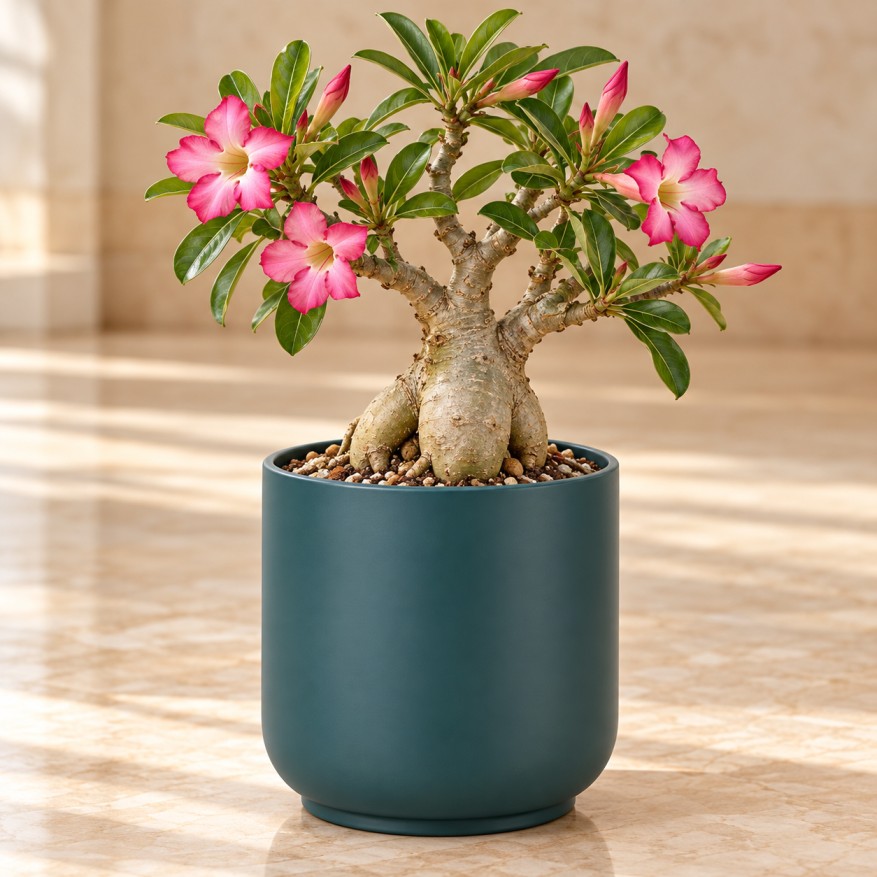
Adenium obesum
Water thoroughly only when the soil is completely dry. In summer, water once or twice a week; drastically cut back during winter and shield from heavy monsoon rain.
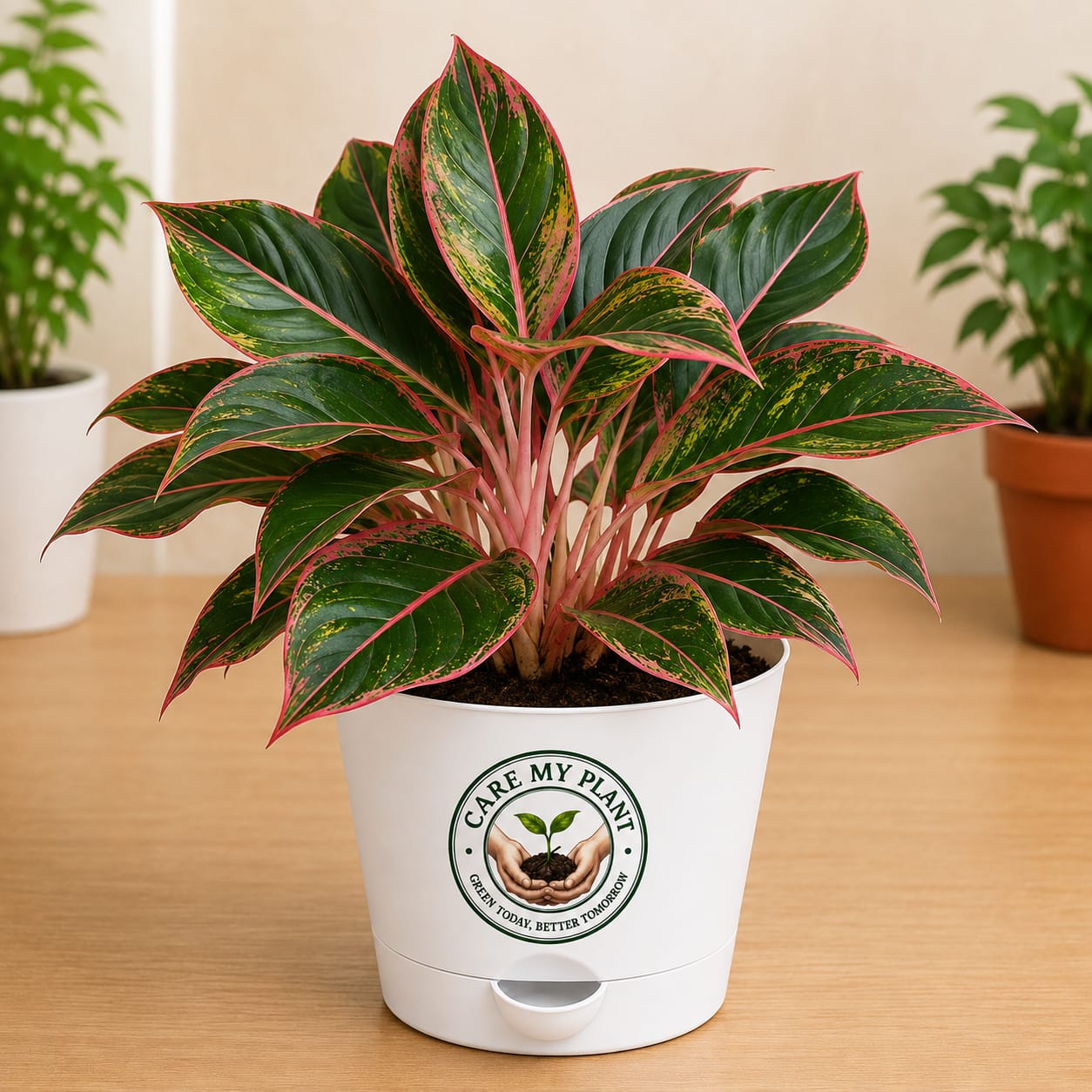
Aglaonema commutatum 'Lipstick'
Water every 5–7 days during summer when the top inch of soil feels dry. Reduce watering to every 10–14 days in winter and monsoon.
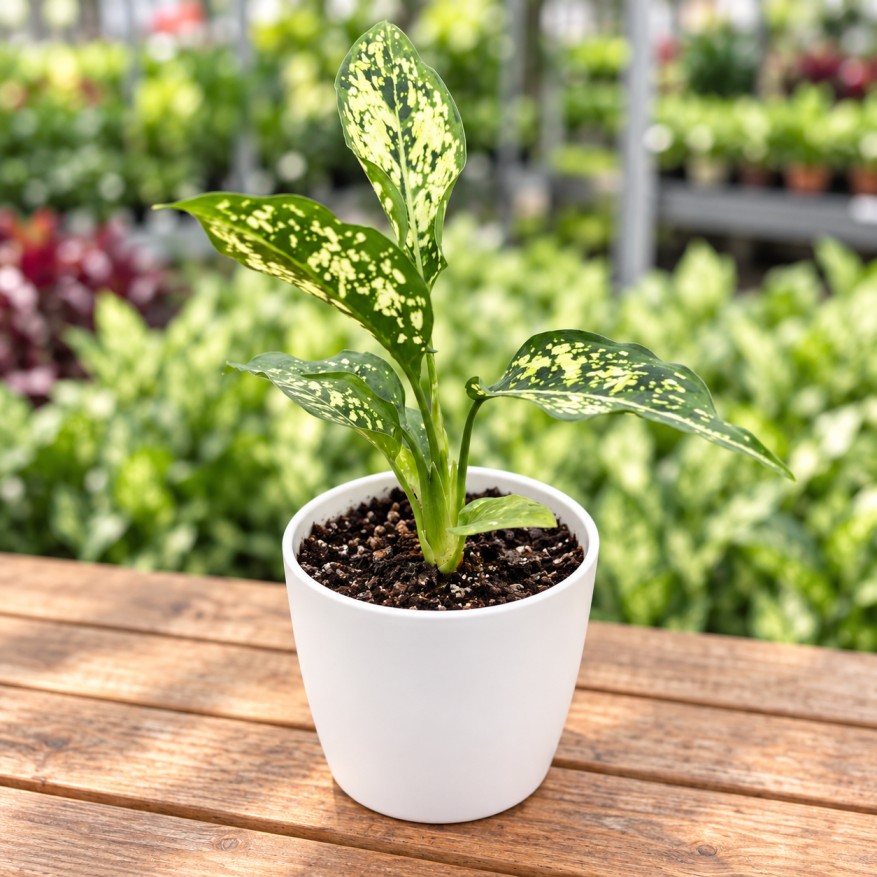
Aglaonema modestum
Water sparingly, allowing soil to dry slightly between waterings
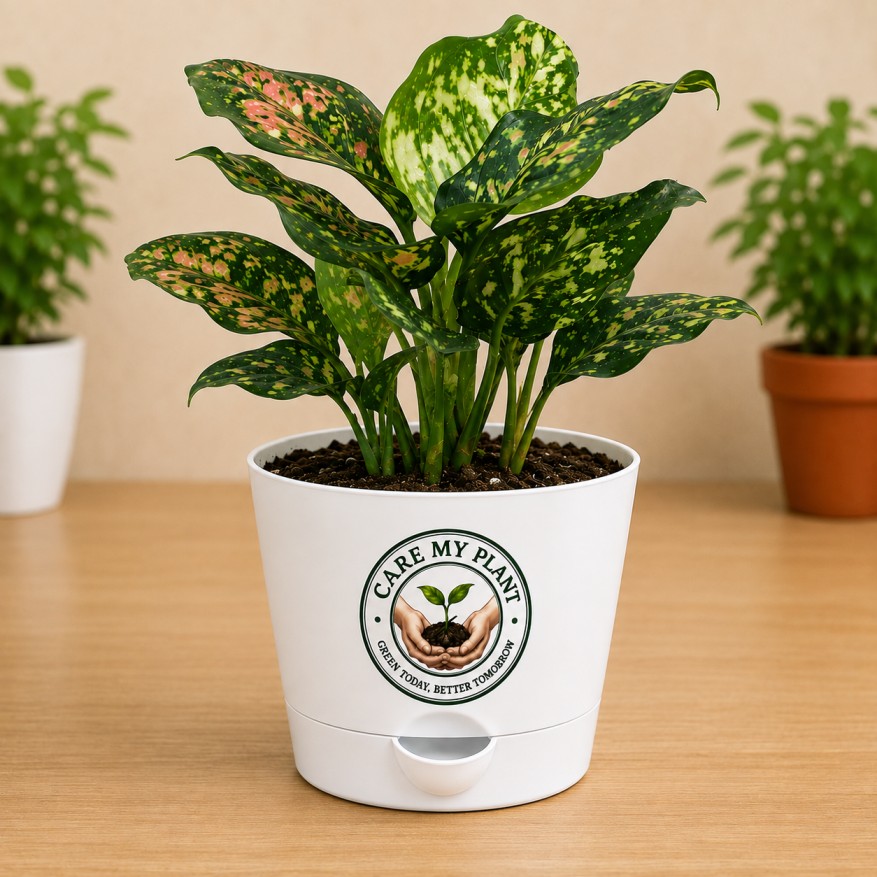
Aglaonema pictum 'Tricolor'
Water every 5-7 days in summer when top 2 inches of soil dry out. Reduce to once every 10-14 days during winter and humid monsoon weeks.
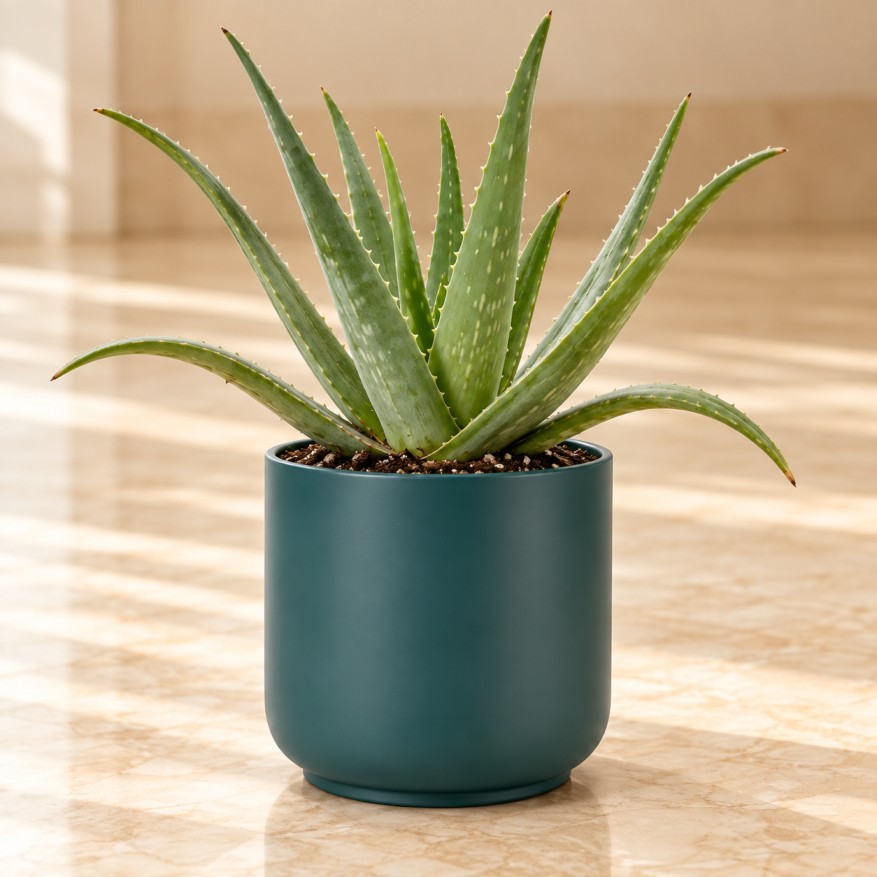
Aloe barbadensis
Water sparingly, allowing soil to dry between waterings
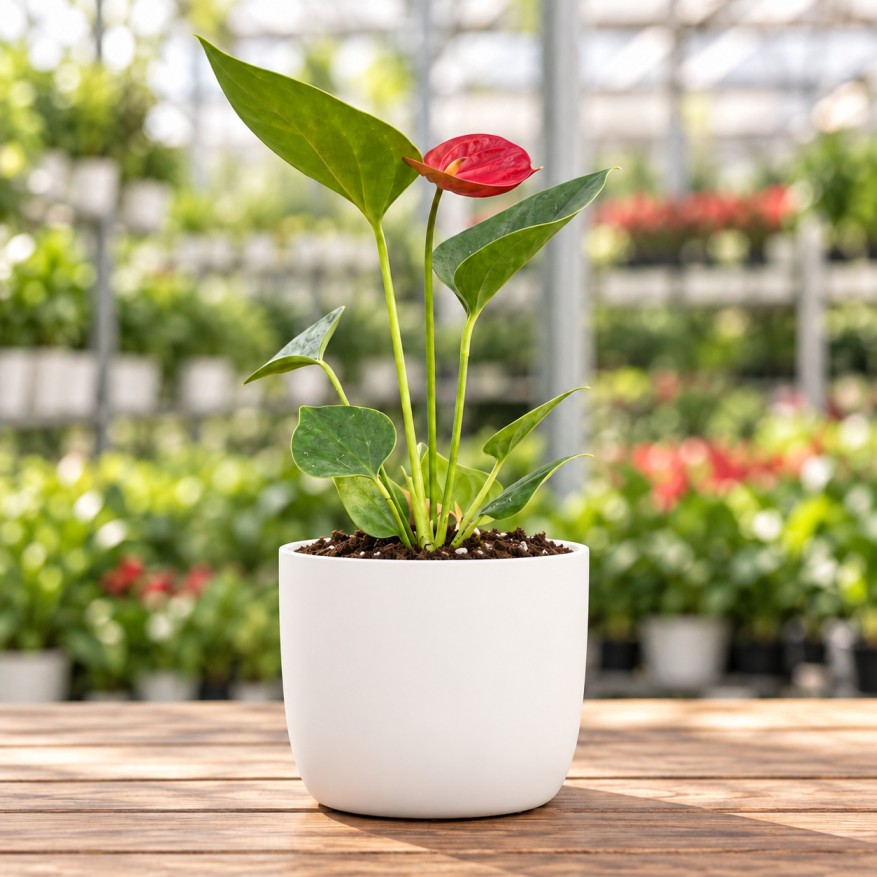
Anthurium andraeanum
Water every 3–5 days when the top inch of soil feels dry. Keep soil consistently moist but never waterlogged. Reduce watering during monsoons.
Next step
Shop curated stock, register it in your garden, and get care reminders tailored to this species.