Plant guide
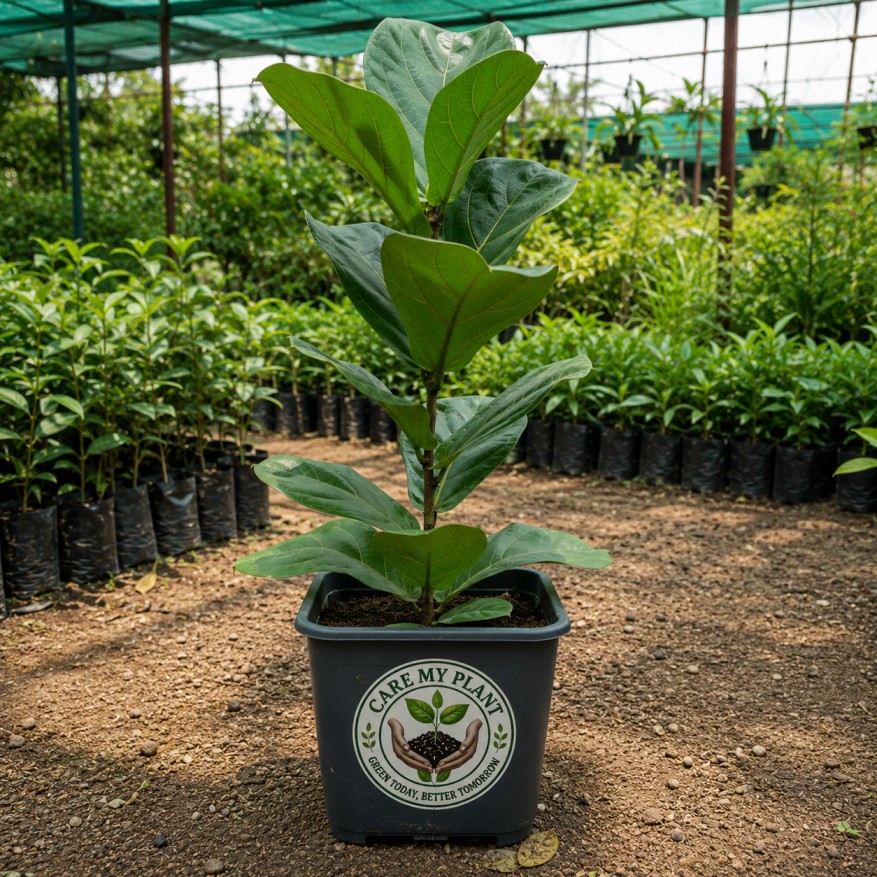
Ficus lyrata
Why plant parents love it
The Fiddle Leaf Fig is a popular houseplant known for its large, violin-shaped leaves and ability to purify the air. It is native to the tropical regions of West and Central Africa. With proper care, it can grow up to 40 feet tall in its natural habitat, but when grown indoors, it typically reaches a height of 10-15 feet. The Fiddle Leaf Fig is a low-maintenance plant that can thrive in a variety of lighting conditions, making it a great option for indoor spaces.
In Indian homes, the Fiddle Leaf Fig can be a beautiful addition to any room, providing a touch of tropical elegance. However, it does require some care to ensure it stays healthy and happy. The plant prefers bright, indirect light but can tolerate some direct sunlight. It's also important to maintain a consistent watering schedule and fertilize the plant regularly to promote healthy growth.
The Fiddle Leaf Fig is also known to be a great air purifier, removing toxins and pollutants from the air. This makes it a great option for indoor spaces, especially in areas with poor air quality. With its stunning appearance and numerous benefits, the Fiddle Leaf Fig is a great choice for anyone looking to bring some greenery into their home.
Ready to grow with CareMyPlant?
Shop a healthy specimen, then unlock care reminders and Plant Doctor support in your garden.
Water
Keep the rhythm simple
Water every 7-10 days
Light
Find its happy spot
Bright, indirect light
Soil
Roots that breathe
Well-draining potting mix
Feed
Gentle growth fuel
Fertilize every 2-3 weeks
Pro tips
Small habits that keep Fiddle Leaf Fig looking shop-fresh at home.
Shop the look
Live plants linked to this guide — healthy stock, ready for your space.
Stay ahead of trouble
Fiddle Leaf Fig Pests and Diseases
mediumFiddle Leaf Fig plants are known for their beautiful, violin-shaped leaves, but they can be susceptible to various pests and diseases. These issues often arise due to overwatering, underwatering, or sudden changes in the environment. Beginners may notice that their Fiddle Leaf Fig's leaves start to drop, turn yellow, or develop brown spots. In Indian homes, especially during the monsoon season, high humidity can exacerbate these problems. On the other hand, in air-conditioned rooms, the dry air can also stress the plant, making it more vulnerable to pests and diseases. To prevent these issues, it's essential to maintain a consistent watering schedule, provide good air circulation, and monitor the plant's condition regularly. Indian homeowners can also take advantage of the natural light and warmth during the dry season to promote healthy growth. However, during the monsoon, it's crucial to reduce watering and ensure the pot has good drainage holes to prevent waterlogged soil. Regular inspection and prompt action can help prevent the spread of pests and diseases, ensuring the Fiddle Leaf Fig remains a stunning and thriving addition to any home. By being aware of the common pests and diseases that can affect Fiddle Leaf Figs, homeowners can take proactive steps to protect their plants and enjoy their beauty for years to come.
Keep exploring
More plant profiles to help you build a thriving indoor jungle.
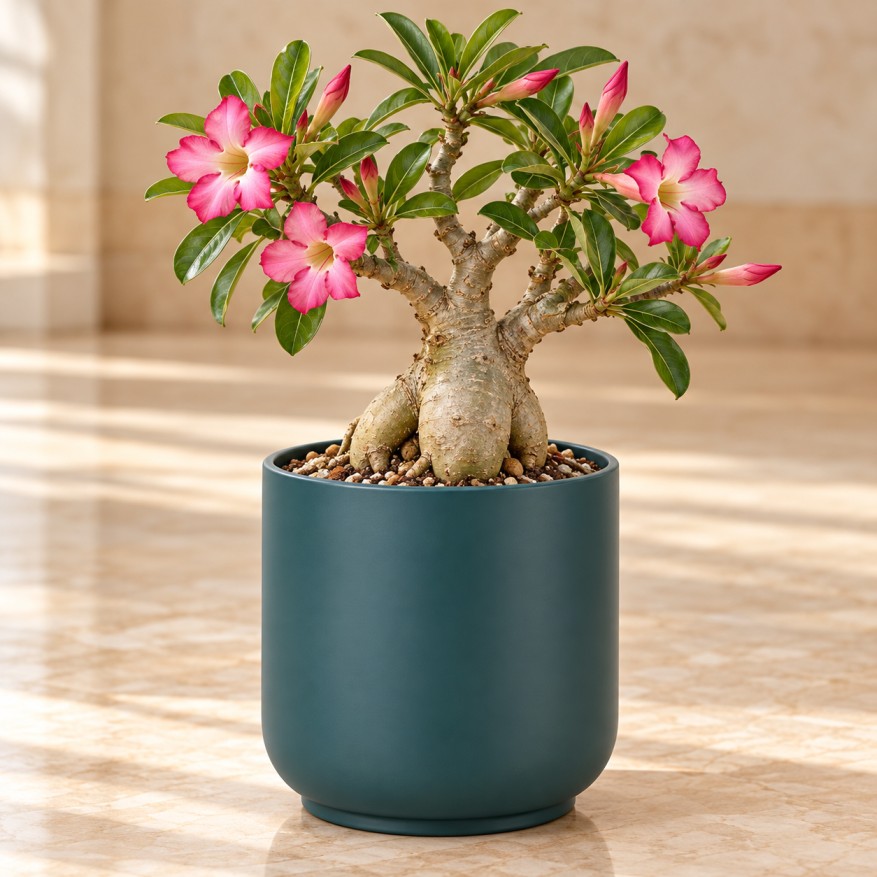
Adenium obesum
Water thoroughly only when the soil is completely dry. In summer, water once or twice a week; drastically cut back during winter and shield from heavy monsoon rain.
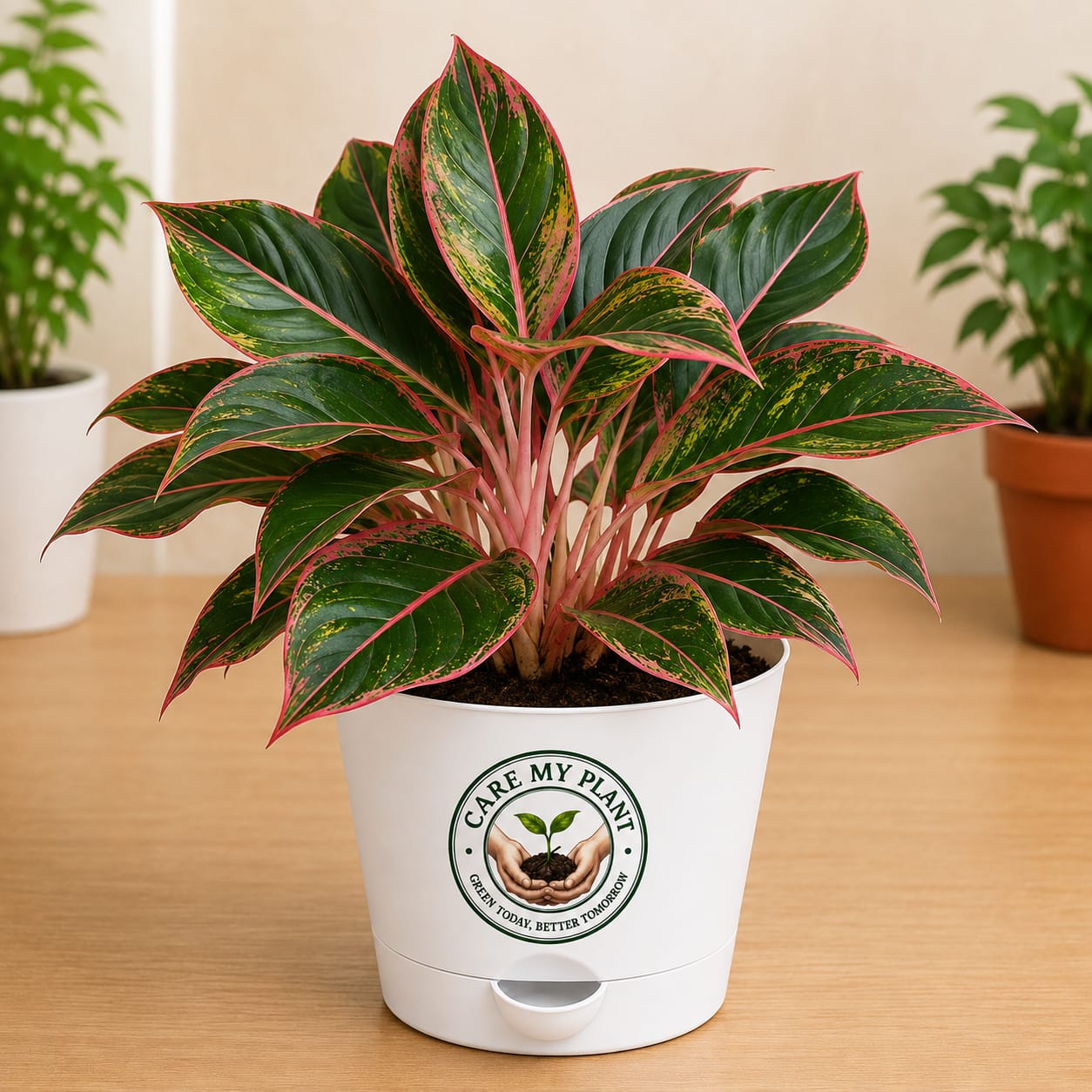
Aglaonema commutatum 'Lipstick'
Water every 5–7 days during summer when the top inch of soil feels dry. Reduce watering to every 10–14 days in winter and monsoon.
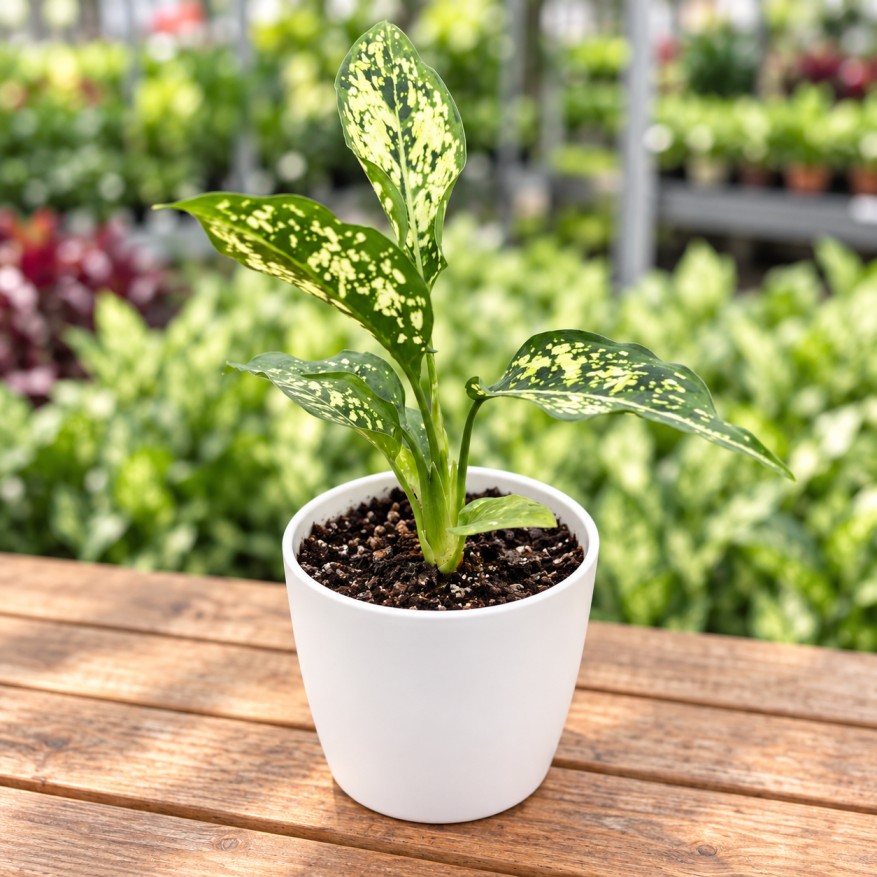
Aglaonema modestum
Water sparingly, allowing soil to dry slightly between waterings
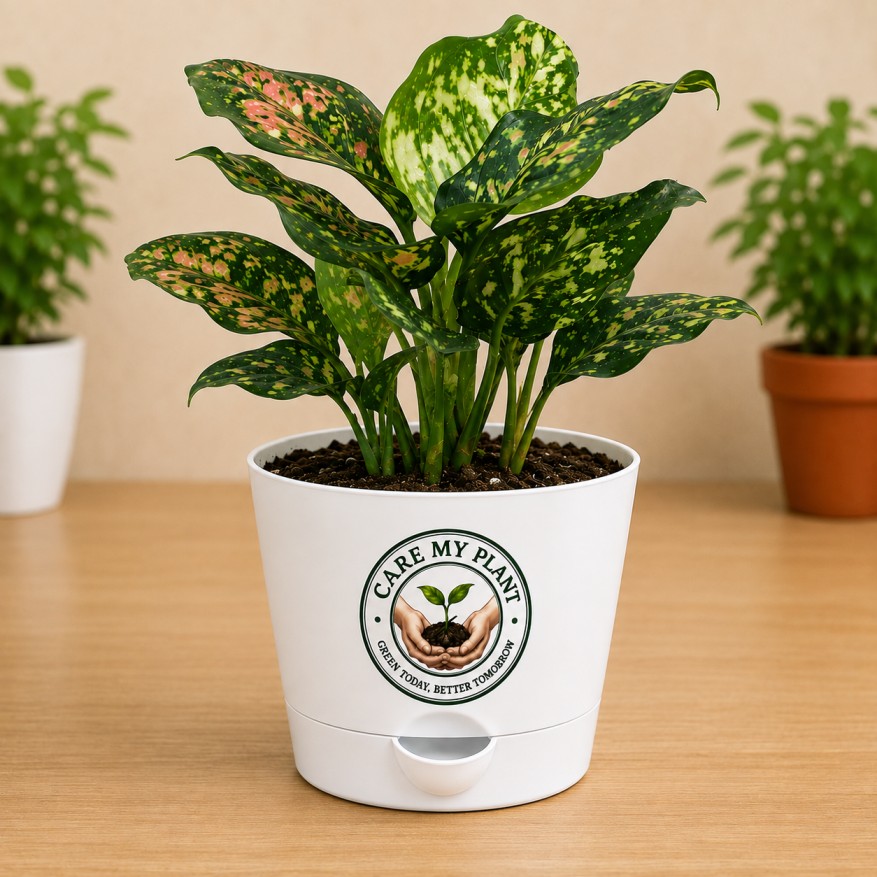
Aglaonema pictum 'Tricolor'
Water every 5-7 days in summer when top 2 inches of soil dry out. Reduce to once every 10-14 days during winter and humid monsoon weeks.
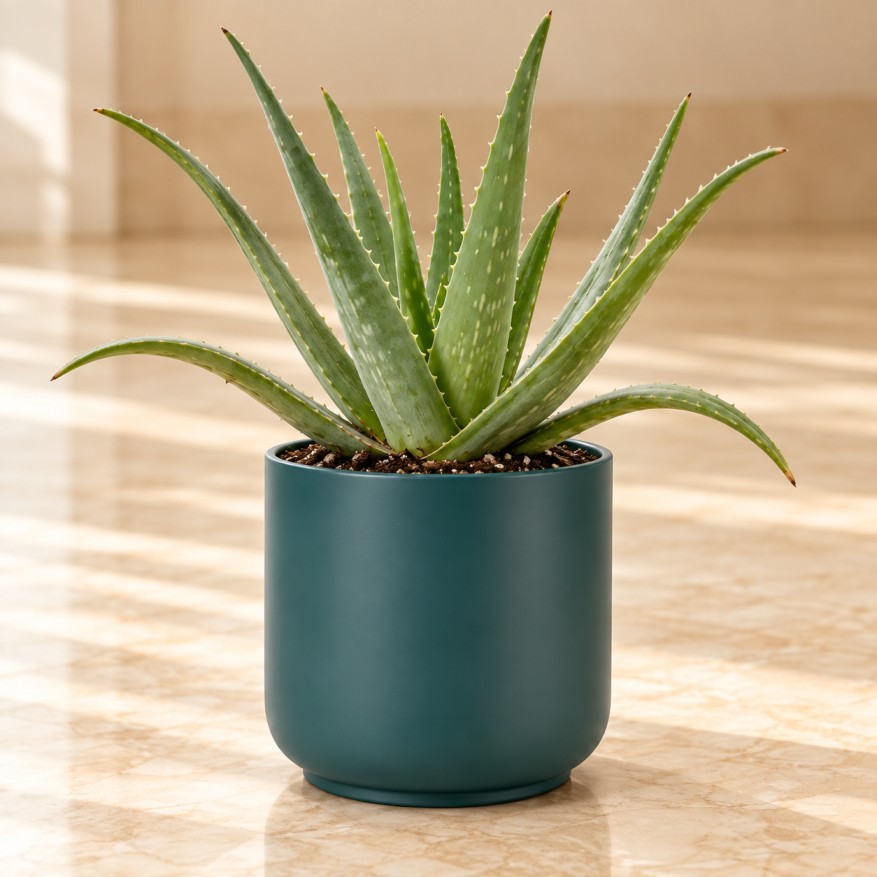
Aloe barbadensis
Water sparingly, allowing soil to dry between waterings
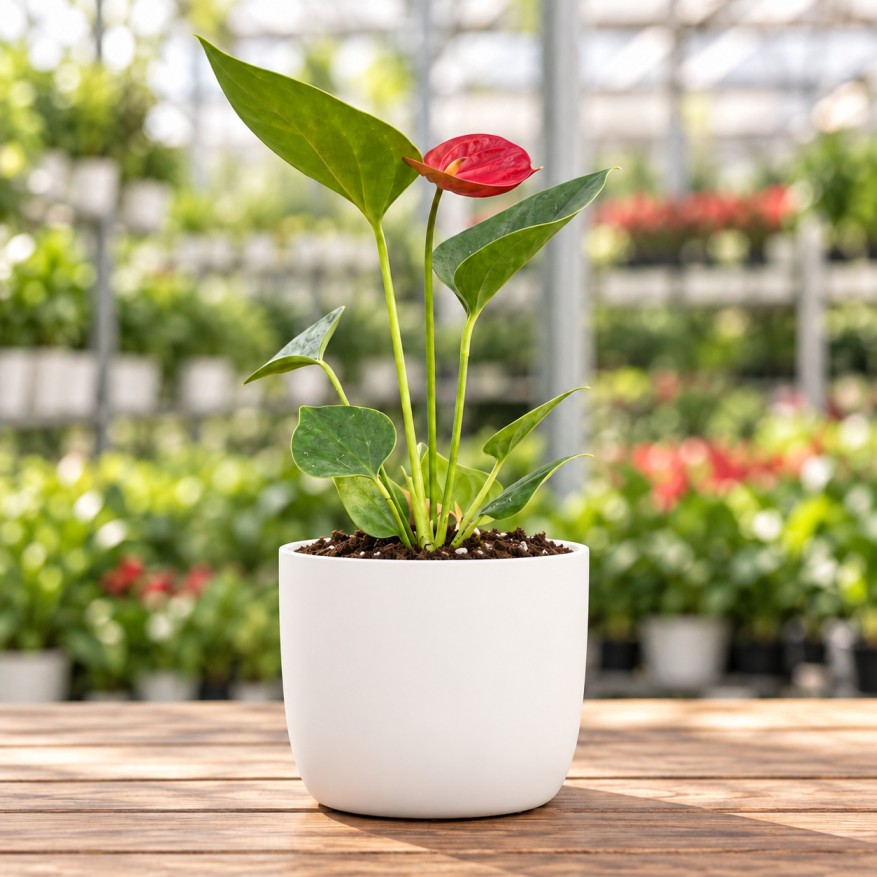
Anthurium andraeanum
Water every 3–5 days when the top inch of soil feels dry. Keep soil consistently moist but never waterlogged. Reduce watering during monsoons.
Next step
Shop curated stock, register it in your garden, and get care reminders tailored to this species.

