Plant guide
Dieffenbachia seguine 'Star Bright'
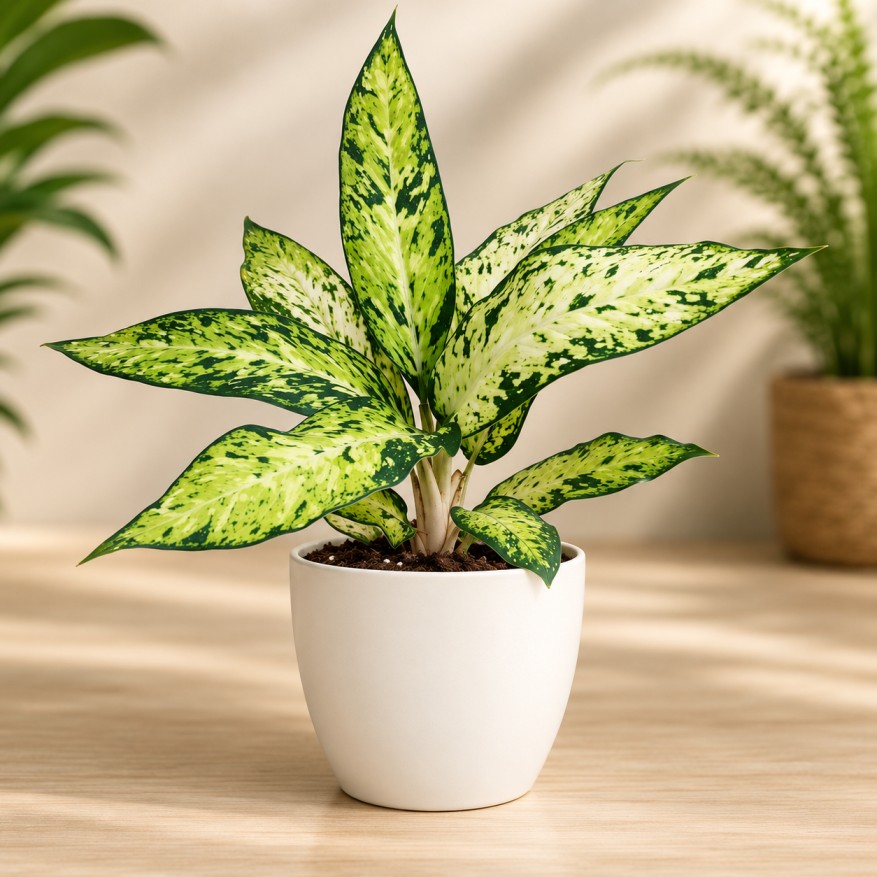
Why plant parents love it
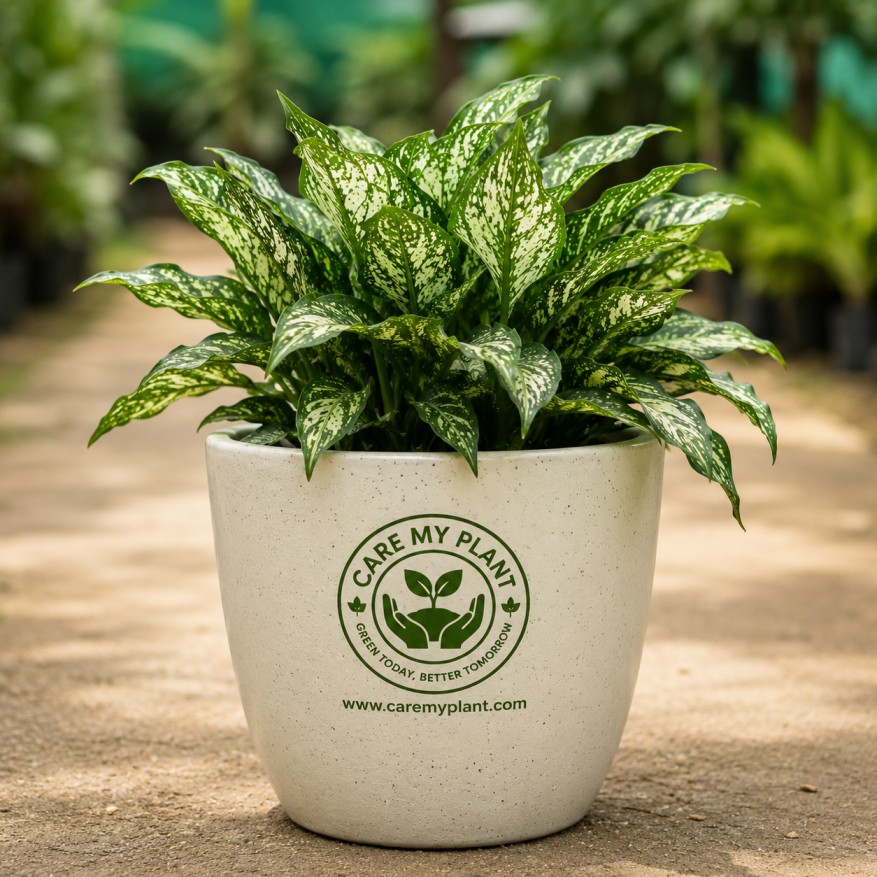
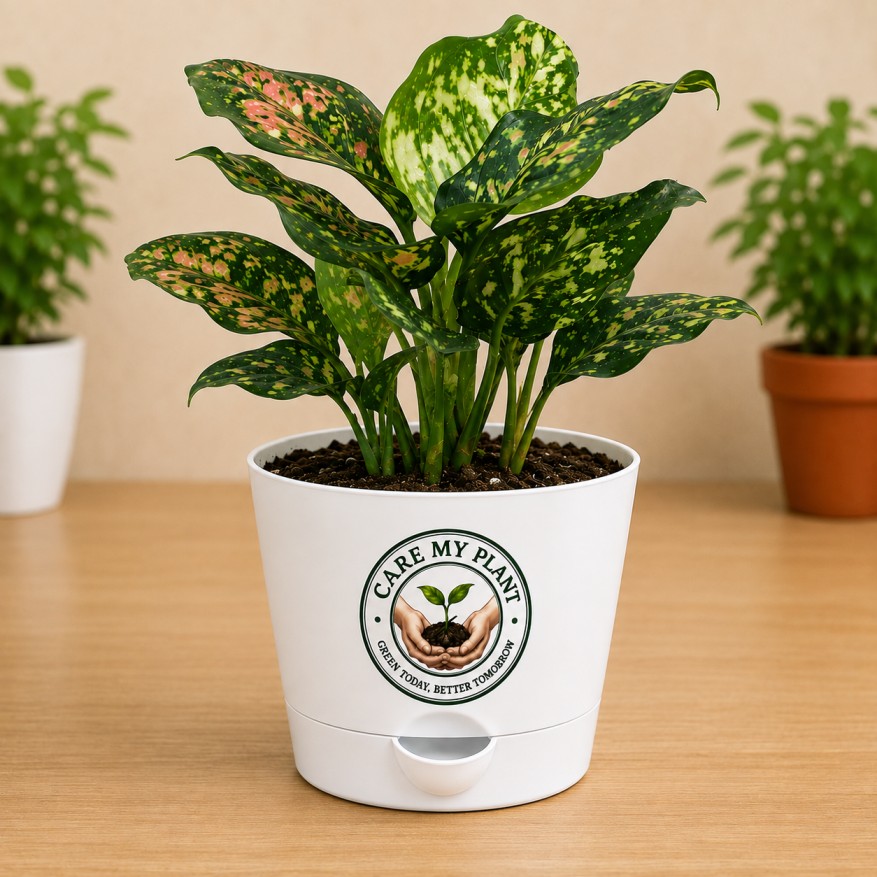
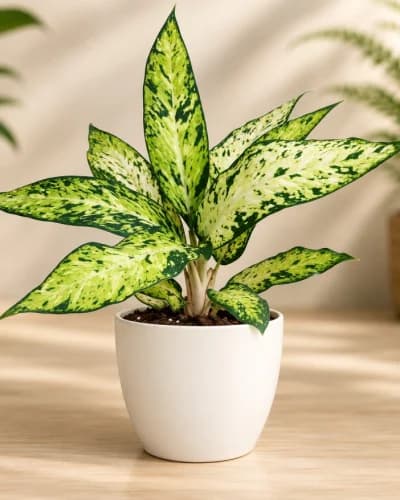
Dieffenbachia 'Star Bright' is a striking foliage plant celebrated for its narrow, lance-shaped leaves speckled with creamy-white and vivid green hues. Its unique pattern brings a fresh, tropical splash to bright indoor corners in Indian homes.
Extremely adaptable, this foliage plant thrives in tropical conditions, handling warm Indian summers and monsoon humidity with relative ease. It makes an excellent statement plant for living rooms, well-lit offices, and sheltered balcony gardens.
Beyond its artistic aesthetic, 'Star Bright' actively helps filter indoor air pollutants. However, like all Dieffenbachia varieties, its sap contains calcium oxalate crystals, so it should be handled carefully and kept out of reach of nibbling pets.
Ready to grow with CareMyPlant?
Shop a healthy specimen, then unlock care reminders and Plant Doctor support in your garden.
Water
Keep the rhythm simple
Water when the top 1–2 inches of soil feel dry. Typically twice a week in hot Indian summers, reducing to once every 7–10 days during monsoons and winter.
Light
Find its happy spot
Thrives in bright, indirect sunlight. Protect from harsh direct afternoon sun to prevent leaf scorch. Tolerates medium light, but variegation remains brightest in ample indirect light.
Soil
Roots that breathe
Rich, well-draining potting mix with equal parts soil, coco peat, perlite, and organic compost to prevent waterlogging.
Feed
Gentle growth fuel
Feed with a balanced liquid fertilizer once a month from spring to early autumn (February to August). Pause fertilizing during winter.
Pro tips
Small habits that keep Dieffenbachia Star Bright looking shop-fresh at home.
Shop the look
Live plants linked to this guide — healthy stock, ready for your space.
Stay ahead of trouble
Dieffenbachia 'Star Bright' Soft Rot
highDieffenbachia 'Star Bright' Soft Rot is a severe bacterial and fungal disease primarily caused by pathogens such as Erwinia or Phytophthora. It quickly attacks the stems and slender, variegated leaves of the Dieffenbachia, causing plant tissues to break down and collapse. Beginners often first observe soft, dark patches near the base of the stems, yellowing lower foliage, and water-soaked lesions across the leaf blades. In advanced stages, the stem feels squishy or hollow and can emit a distinct unpleasant odor. In Indian households, this issue peaks during the monsoon season due to high atmospheric humidity combined with poorly draining soil. Overwatering, placing the pot in poorly ventilated AC rooms, or using pots without adequate drainage holes severely exacerbates moisture retention around the root ball.
Keep exploring
More plant profiles to help you build a thriving indoor jungle.
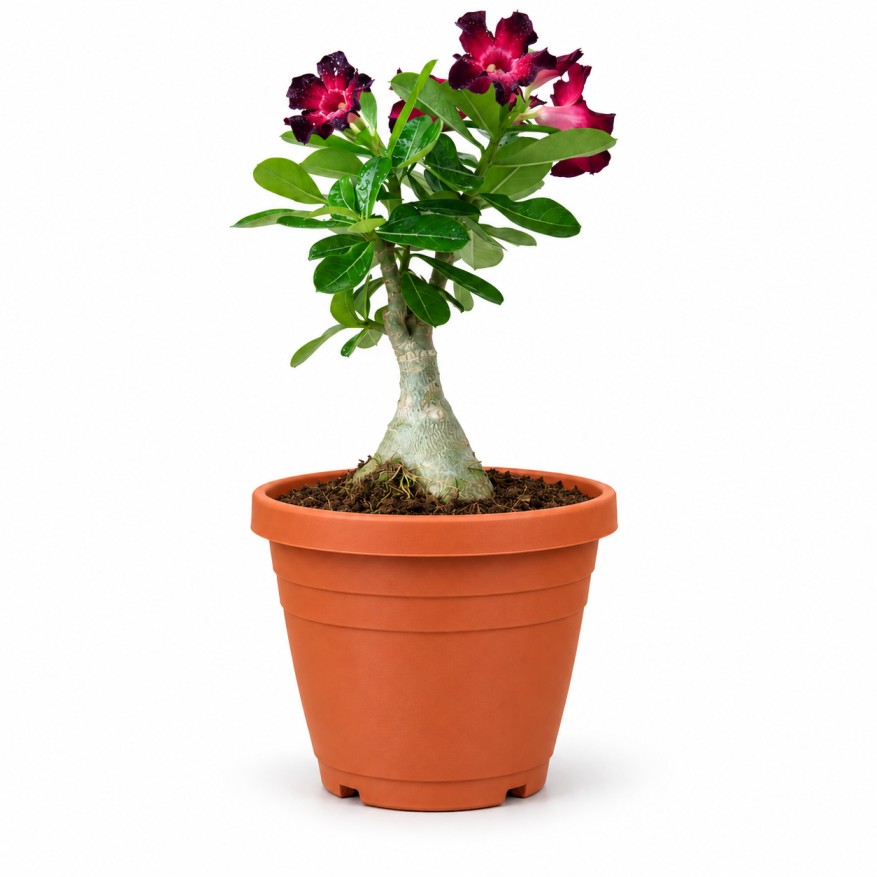
Adenium obesum
Water thoroughly only when the soil is completely dry. Reduce watering significantly during monsoons and winter dormancy.
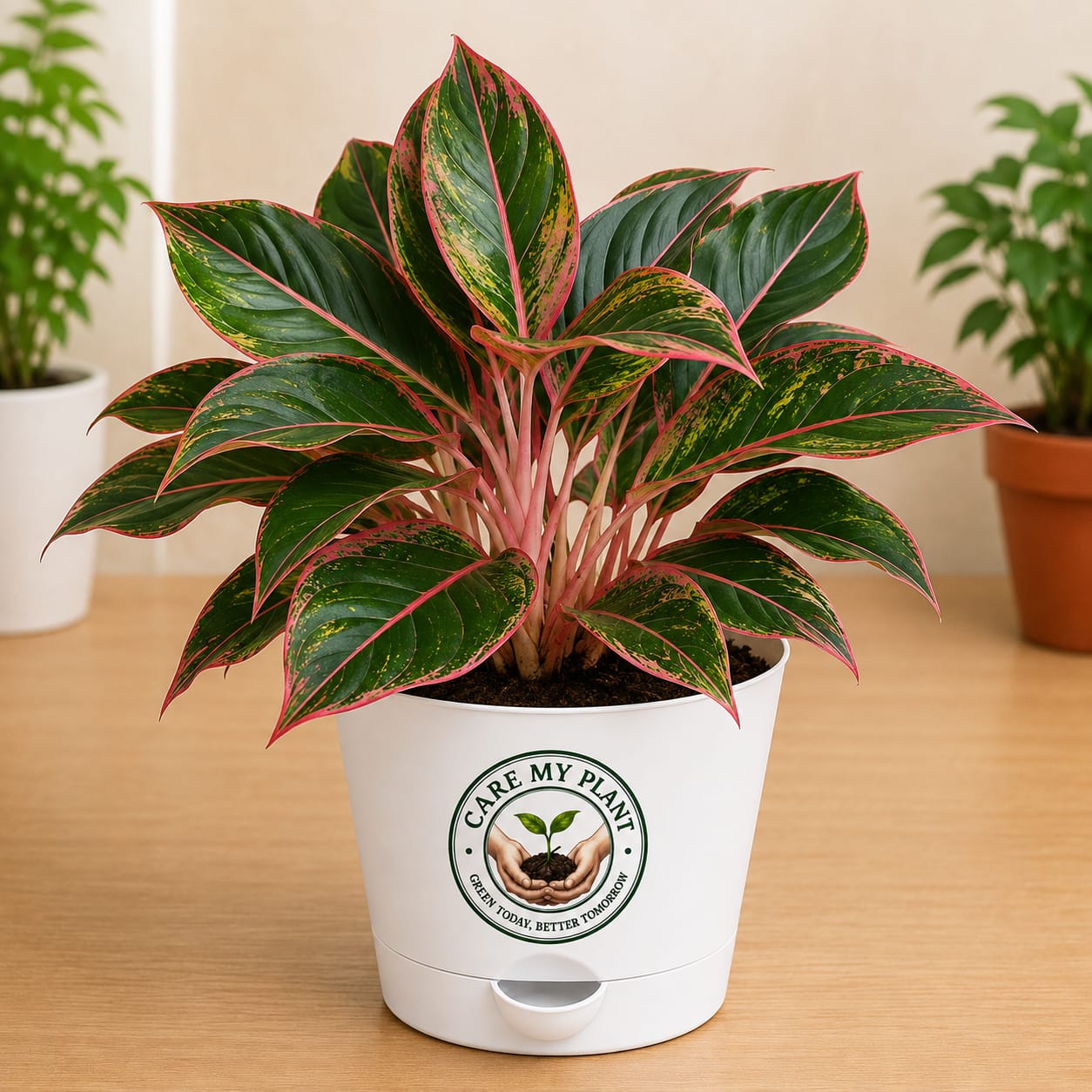
Aglaonema commutatum 'Lipstick'
Water every 5–7 days during summer when the top inch of soil feels dry. Reduce watering to every 10–14 days in winter and monsoon.
Next step
Shop curated stock, register it in your garden, and get care reminders tailored to this species.