Plant guide
Epipremnum aureum
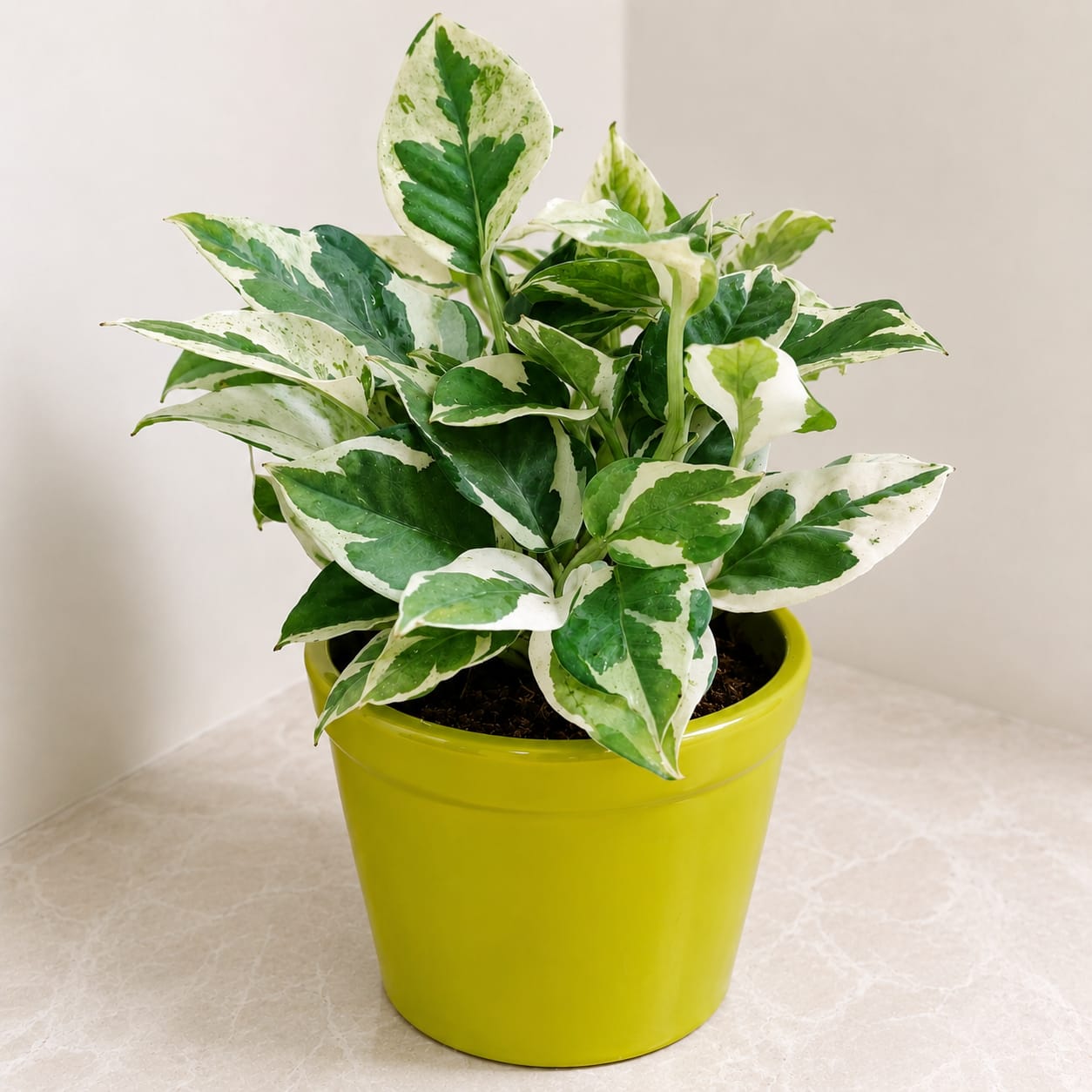
Why plant parents love it
Devil's Ivy, widely known in India as the classic Money Plant, is a lush trailing vine loved for its heart-shaped leaves splashed with cheerful gold and green variegation. Exceptionally resilient and forgiving, it is one of the easiest house plants to grow, making it a perennial favorite for beginner gardeners.
This versatile plant adapts beautifully to various display styles—let it cascade from a hanging basket, train it to climb up a moss pole, or let it trail across floating shelves. Beyond its vibrant aesthetic, Devil's Ivy actively works to filter common household toxins from the air, enhancing the indoor environment of your home or workplace.
Ready to grow with CareMyPlant?
Shop a healthy specimen, then unlock care reminders and Plant Doctor support in your garden.
Water
Keep the rhythm simple
Water every 5 to 7 days when the top 2 inches of soil feel dry to the touch. Reduce frequency during monsoons and winter months.
Light
Find its happy spot
Thrives in bright, indirect light. Can tolerate medium to low light, though leaf variegation becomes more pronounced in brighter spots.
Soil
Roots that breathe
Well-draining, lightweight potting mix composed of garden soil, coco peat, and perlite or river sand.
Feed
Gentle growth fuel
Apply a balanced liquid fertilizer once a month during spring and summer. Pause feeding during late autumn and winter.
Pro tips
Small habits that keep Devil's Ivy looking shop-fresh at home.
Shop the look
Live plants linked to this guide — healthy stock, ready for your space.
Stay ahead of trouble
Devil's Ivy Root Rot
highDevil's Ivy (Epipremnum aureum, commonly known as Pothos) is one of the most resilient indoor plants, but it is extremely vulnerable to root rot caused by persistent overwatering and stagnant soil. Fungal pathogens such as Pythium thrive in oxygen-deprived, waterlogged conditions, rapidly destroying the root system and preventing the plant from absorbing nutrients. Beginners usually notice lower leaves turning bright yellow, stems becoming soft or limpy, and the overall plant wilting despite the soil being wet. As the decay spreads, black or dark brown patches appear on leaves, and a faint sour or damp odor may emerge from the pot. In Indian households, root rot is particularly common during the monsoon season when humidity delays soil drying, as well as in low-light indoor corners or air-conditioned rooms. Using non-draining decorative pots or heavy garden soil without aerating amendments like perlite or sand drastically increases the risk.
Keep exploring
More plant profiles to help you build a thriving indoor jungle.
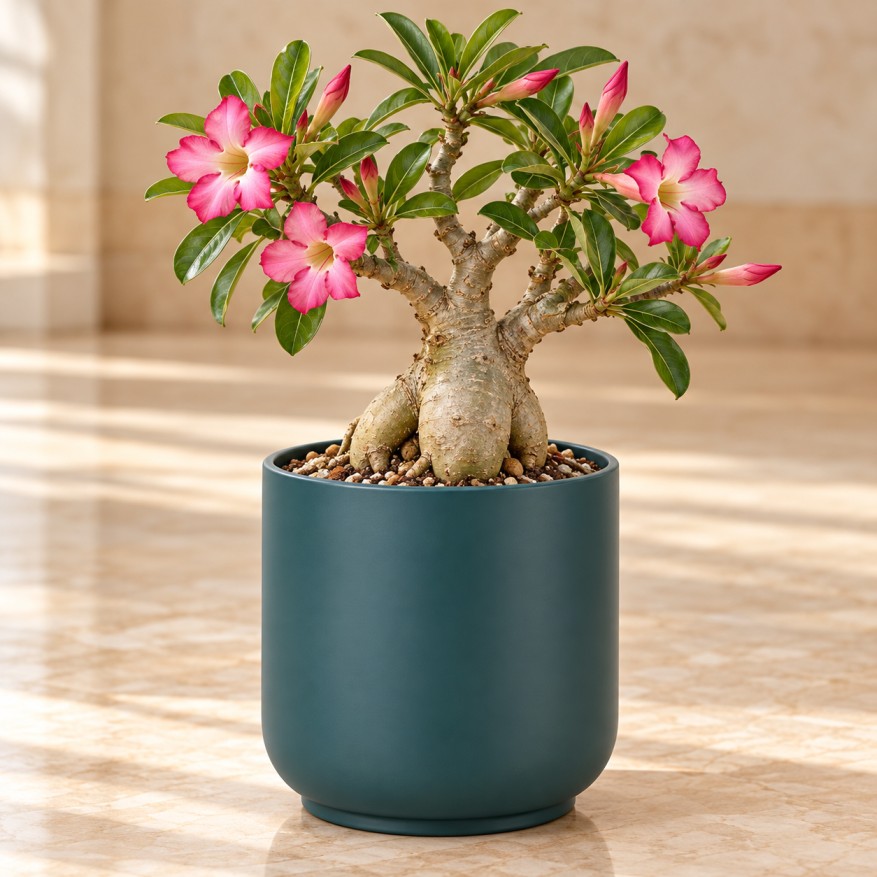
Adenium obesum
Water thoroughly only when the soil is completely dry. In summer, water once or twice a week; drastically cut back during winter and shield from heavy monsoon rain.
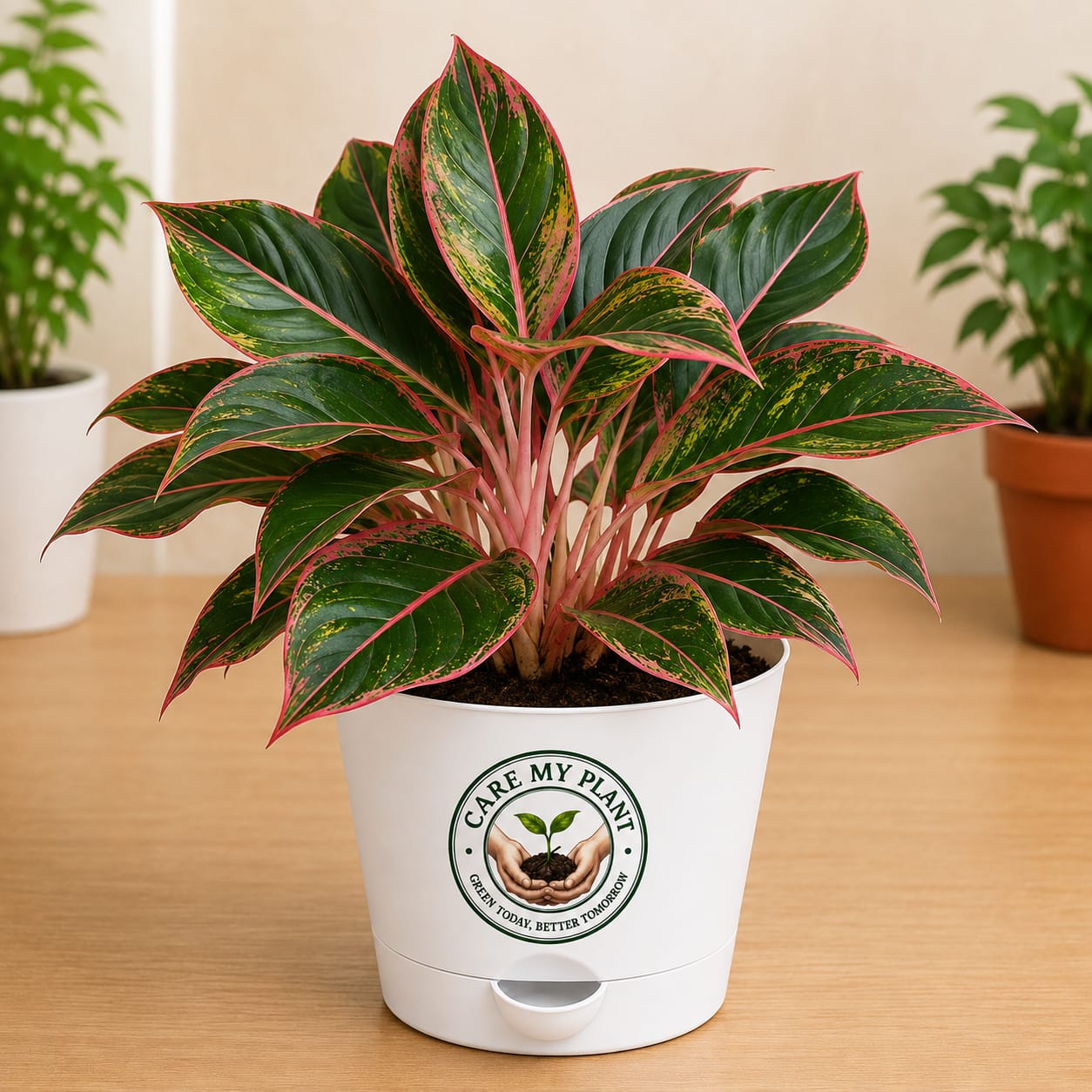
Aglaonema commutatum 'Lipstick'
Water every 5–7 days during summer when the top inch of soil feels dry. Reduce watering to every 10–14 days in winter and monsoon.
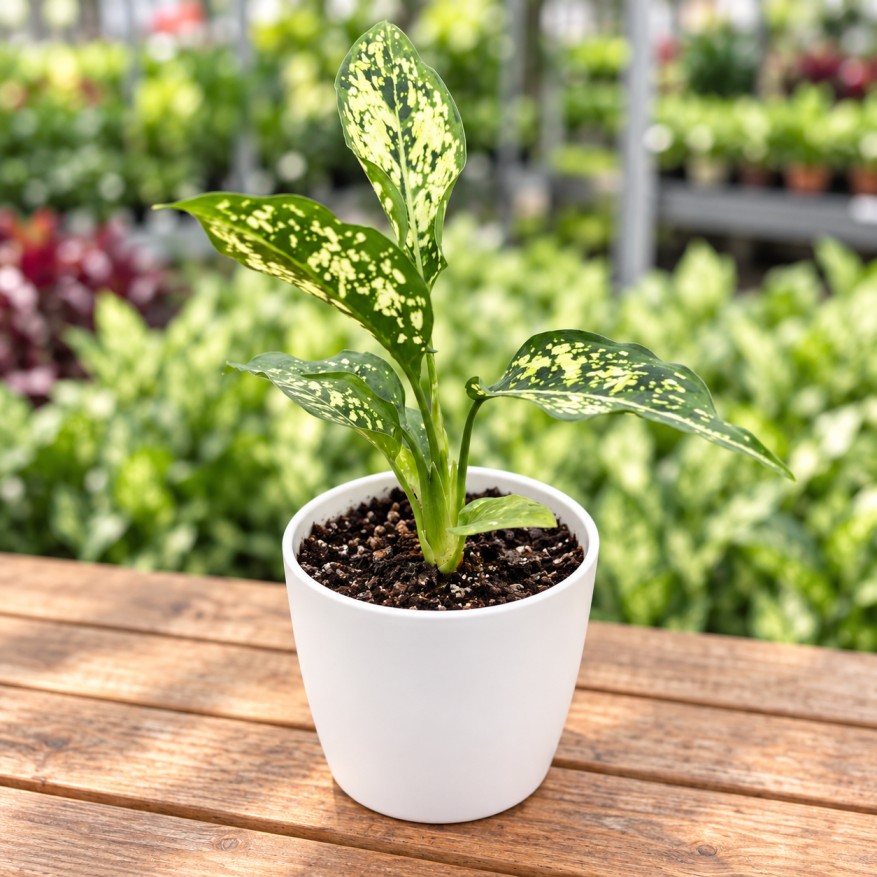
Aglaonema modestum
Water sparingly, allowing soil to dry slightly between waterings
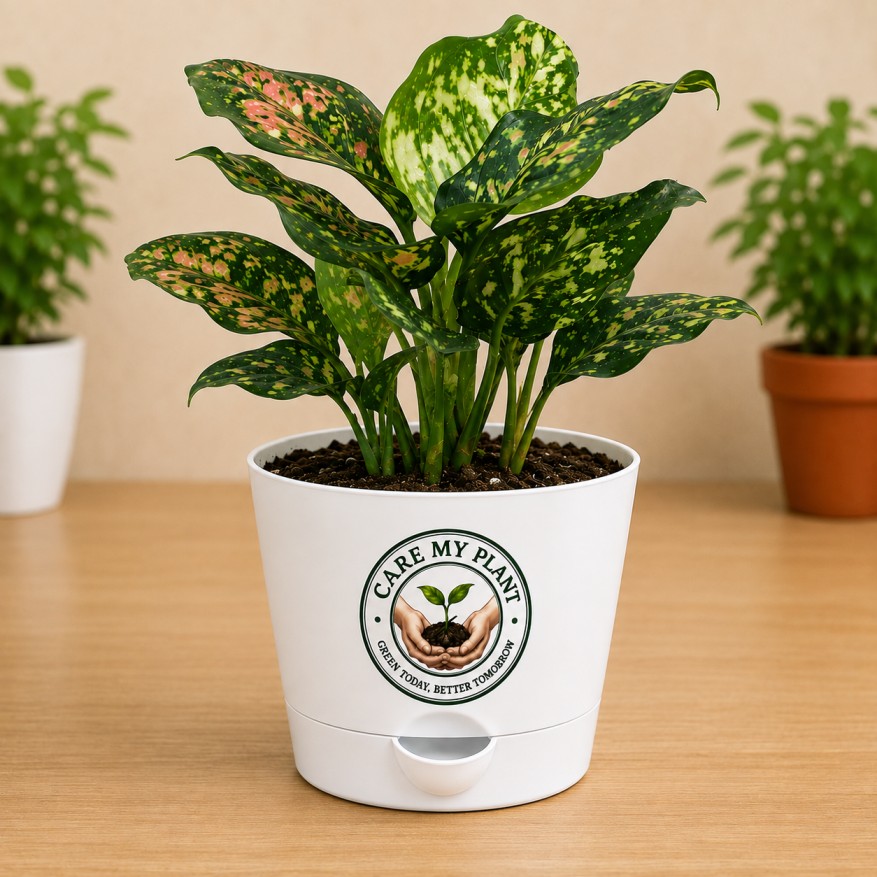
Aglaonema pictum 'Tricolor'
Water every 5-7 days in summer when top 2 inches of soil dry out. Reduce to once every 10-14 days during winter and humid monsoon weeks.
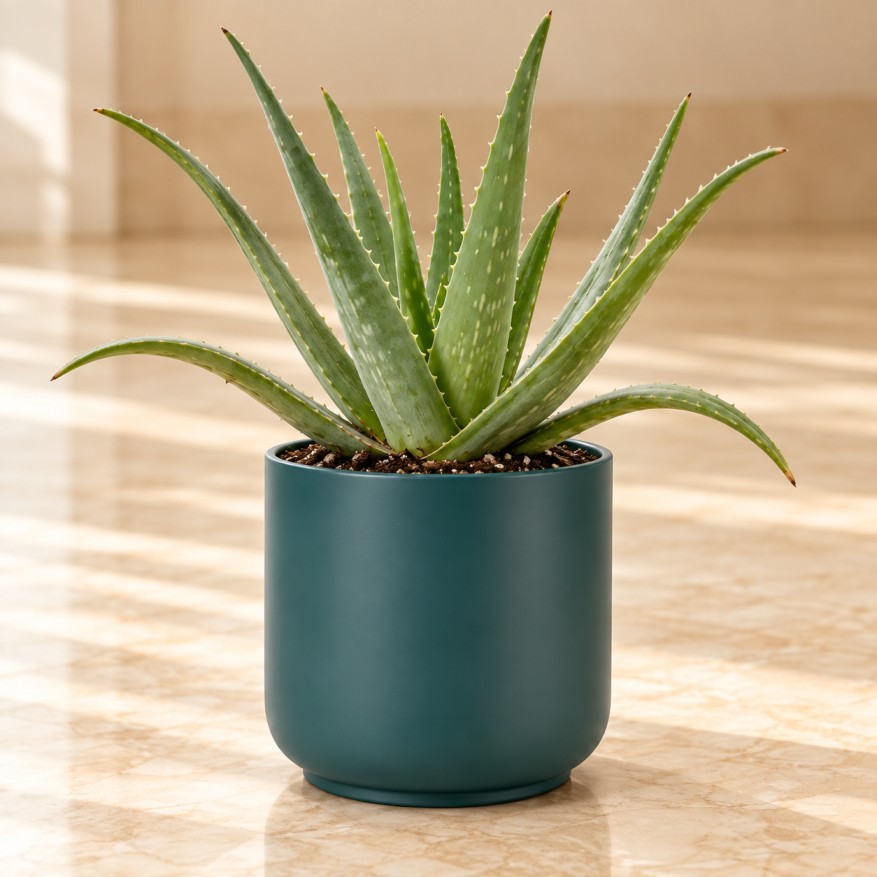
Aloe barbadensis
Water sparingly, allowing soil to dry between waterings
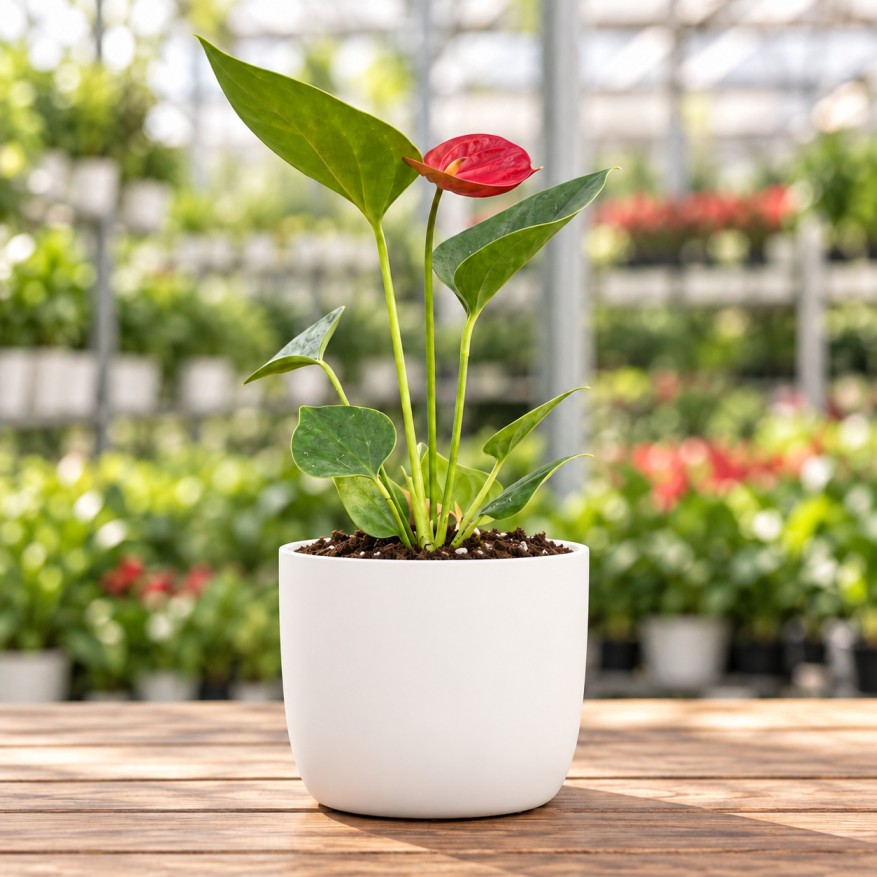
Anthurium andraeanum
Water every 3–5 days when the top inch of soil feels dry. Keep soil consistently moist but never waterlogged. Reduce watering during monsoons.
Next step
Shop curated stock, register it in your garden, and get care reminders tailored to this species.

