Plant guide
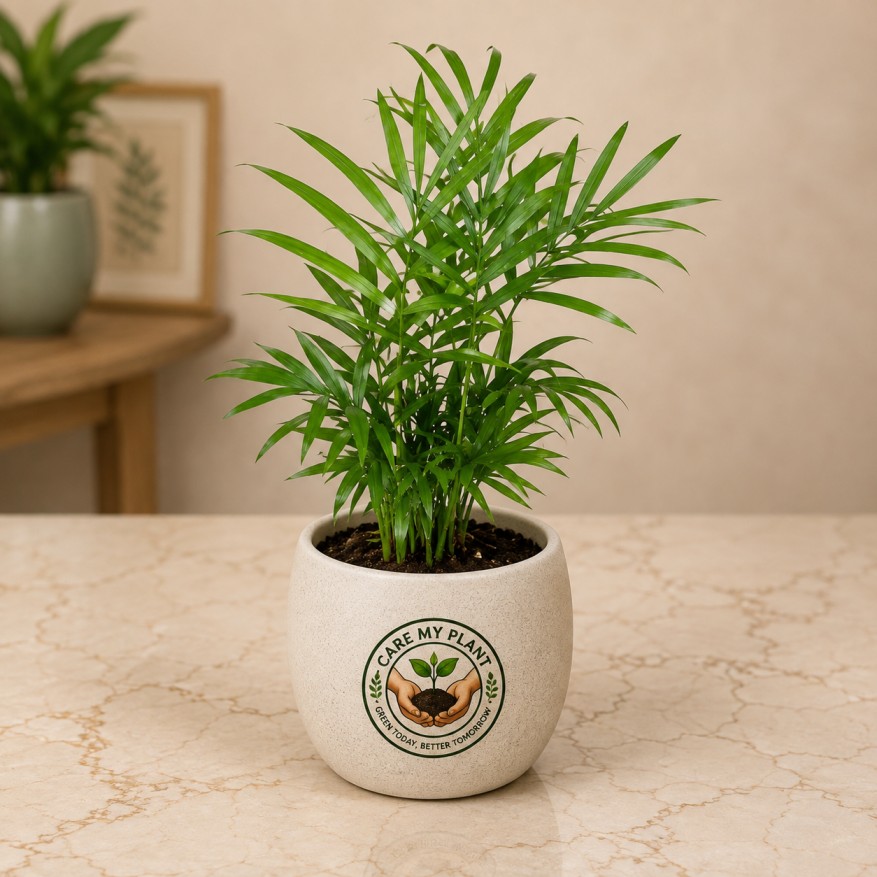
Chamaedorea seifrizii
Why plant parents love it
The Bamboo Palm is a popular tropical houseplant known for its graceful, reed-like stems and feathery green fronds. Native to Central America, this compact palm adds a lush, exotic touch to any interior space while serving as an effective natural air purifier.
Thriving in indirect sunlight, it is an ideal choice for Indian homes, apartments, and offices. It adapts well to indoor humidity variations and performs reliably in air-conditioned rooms, provided it is protected from direct cold drafts.
Beyond its aesthetic appeal, the Bamboo Palm is non-toxic to cats and dogs, making it a completely safe green companion for pet-friendly households.
Ready to grow with CareMyPlant?
Shop a healthy specimen, then unlock care reminders and Plant Doctor support in your garden.
Water
Keep the rhythm simple
Water when the top 1-2 inches of soil feel dry to the touch. Keep soil consistently moist but not soggy, and reduce watering during the monsoon and winter.
Light
Find its happy spot
Prefers bright, indirect sunlight. Tolerates medium to low light conditions well, but avoid harsh direct sun which can scorch the fronds.
Soil
Roots that breathe
Well-draining, rich potting mix. A blend of garden soil, coco peat, and vermicompost or perlite works ideal for Indian conditions.
Feed
Gentle growth fuel
Apply a balanced liquid fertilizer once a month during spring and summer. Refrain from fertilizing in peak winter.
Pro tips
Small habits that keep Bamboo Palm looking shop-fresh at home.
Shop the look
Live plants linked to this guide — healthy stock, ready for your space.
Stay ahead of trouble
Spider Mites on Bamboo Palm
mediumSpider mites are tiny, spider-like insects that feed on plant sap, causing damage to the Bamboo Palm. They are barely visible to the naked eye and are often recognized by the fine webbing they spin on the plant. Beginners may notice that their Bamboo Palm is not thriving, with yellowing or bronzing leaves, and a general decline in health. In Indian homes, spider mites can be particularly problematic due to the dry air in AC rooms, which they prefer. During the monsoon season, it's essential to ensure good air circulation around the plant to prevent moisture buildup, which can exacerbate the issue. Overwatering can also attract spider mites, so it's crucial to maintain a balanced watering schedule. Regular monitoring is key to catching spider mite infestations early. Check the underside of leaves and the joints where leaves meet the stem for any signs of webbing or the mites themselves. If you do find spider mites, don't panic – they can be treated effectively with the right approach. Prevention is also important. Keeping the plant in a well-ventilated area, avoiding overwatering, and periodically spraying the plant with a gentle water jet can help deter spider mites. For Bamboo Palms, it's also beneficial to maintain a humid environment around the plant, which can be achieved with a humidifier or by placing the plant on a tray filled with water and pebbles.
Keep exploring
More plant profiles to help you build a thriving indoor jungle.
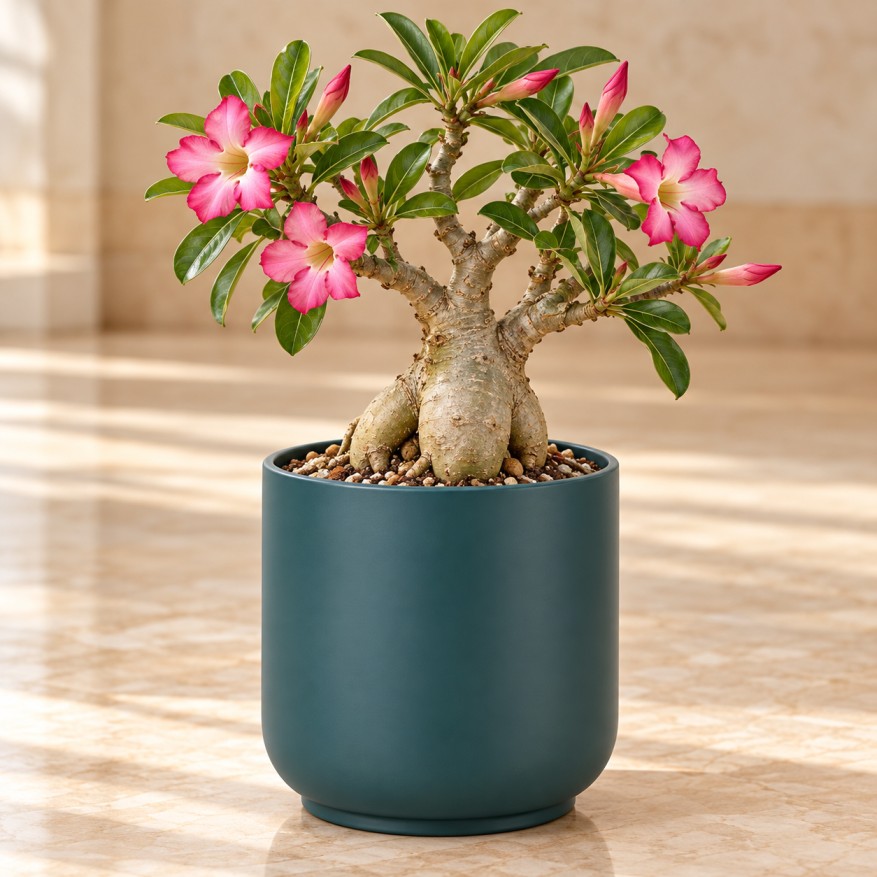
Adenium obesum
Water thoroughly only when the soil is completely dry. In summer, water once or twice a week; drastically cut back during winter and shield from heavy monsoon rain.
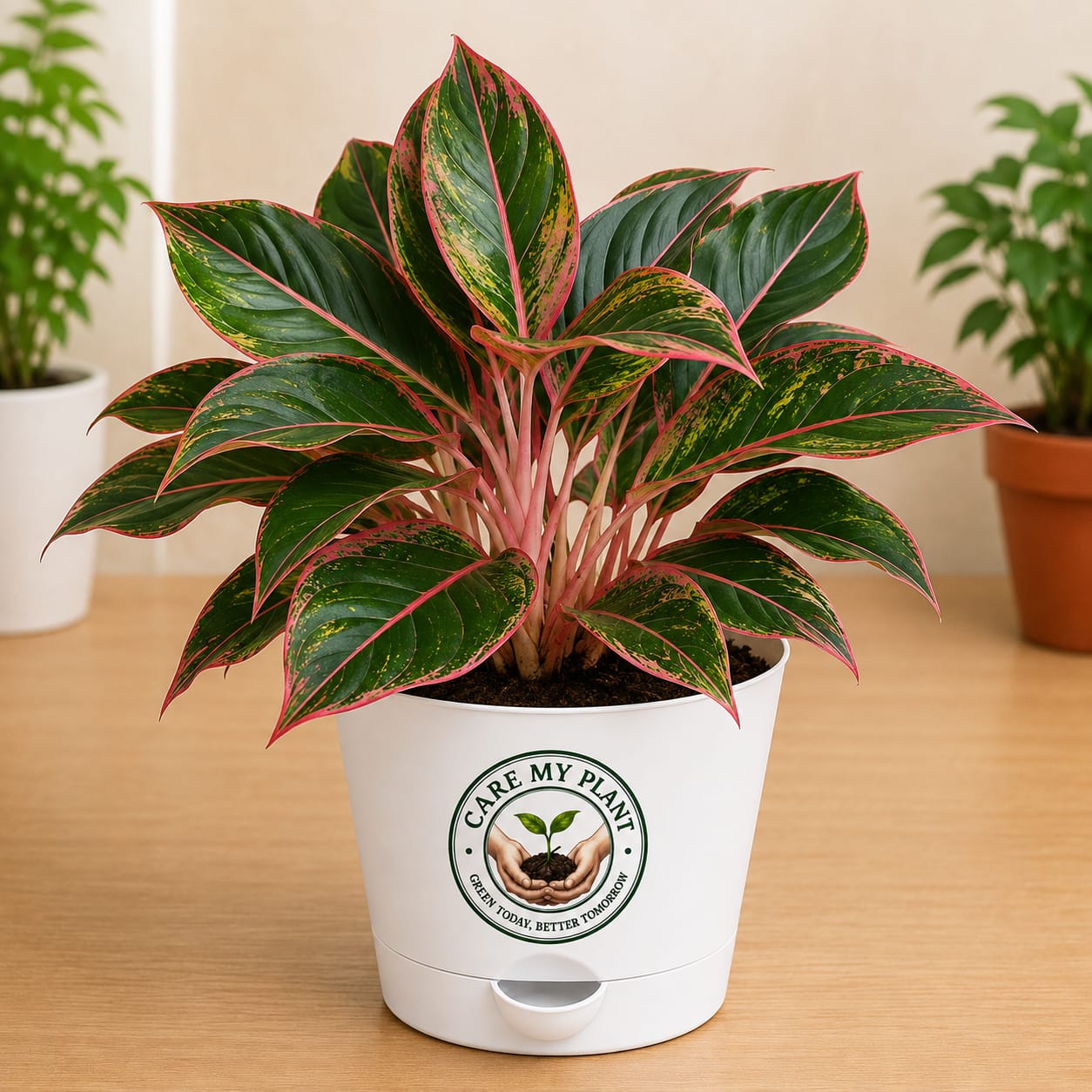
Aglaonema commutatum 'Lipstick'
Water every 5–7 days during summer when the top inch of soil feels dry. Reduce watering to every 10–14 days in winter and monsoon.
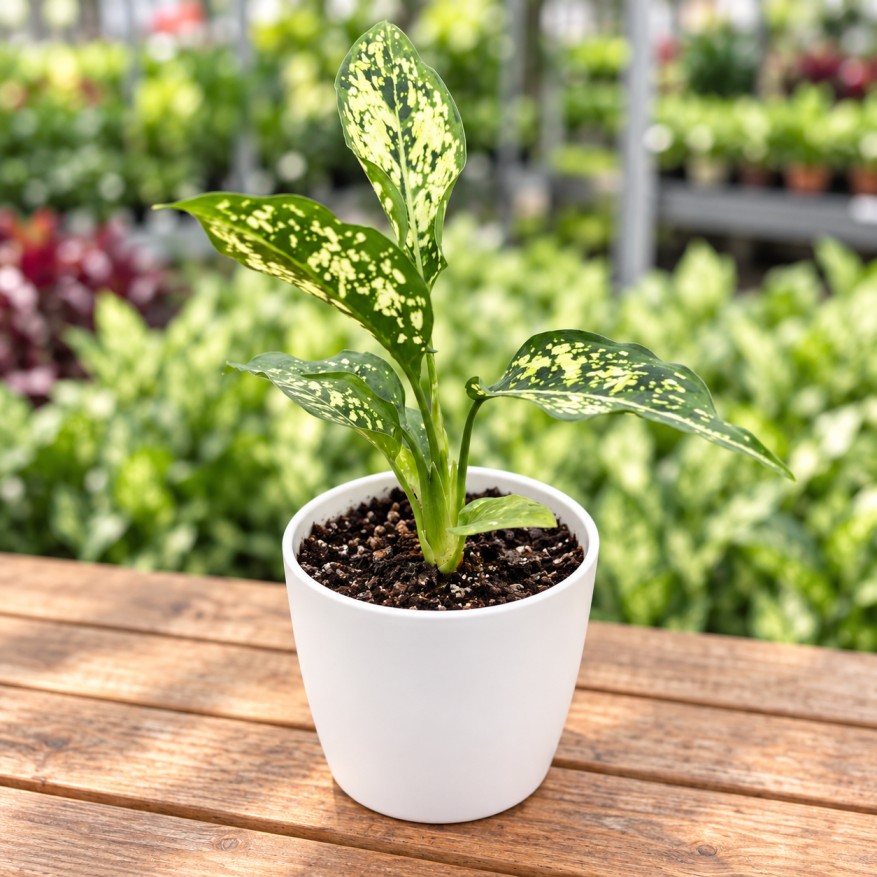
Aglaonema modestum
Water sparingly, allowing soil to dry slightly between waterings
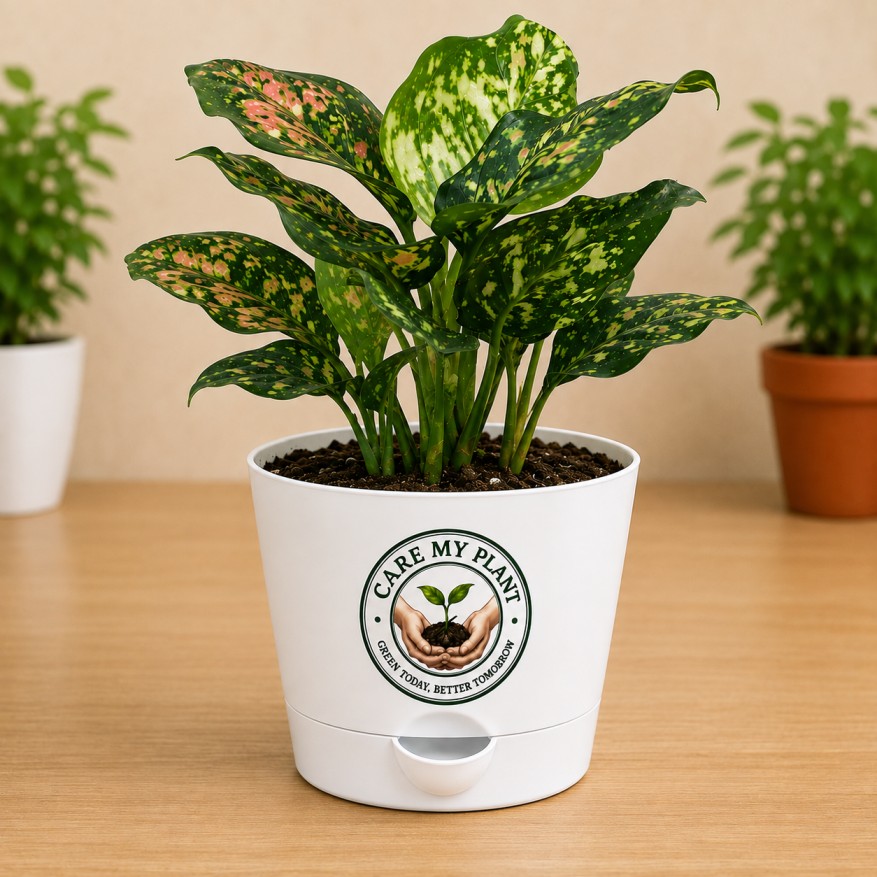
Aglaonema pictum 'Tricolor'
Water every 5-7 days in summer when top 2 inches of soil dry out. Reduce to once every 10-14 days during winter and humid monsoon weeks.
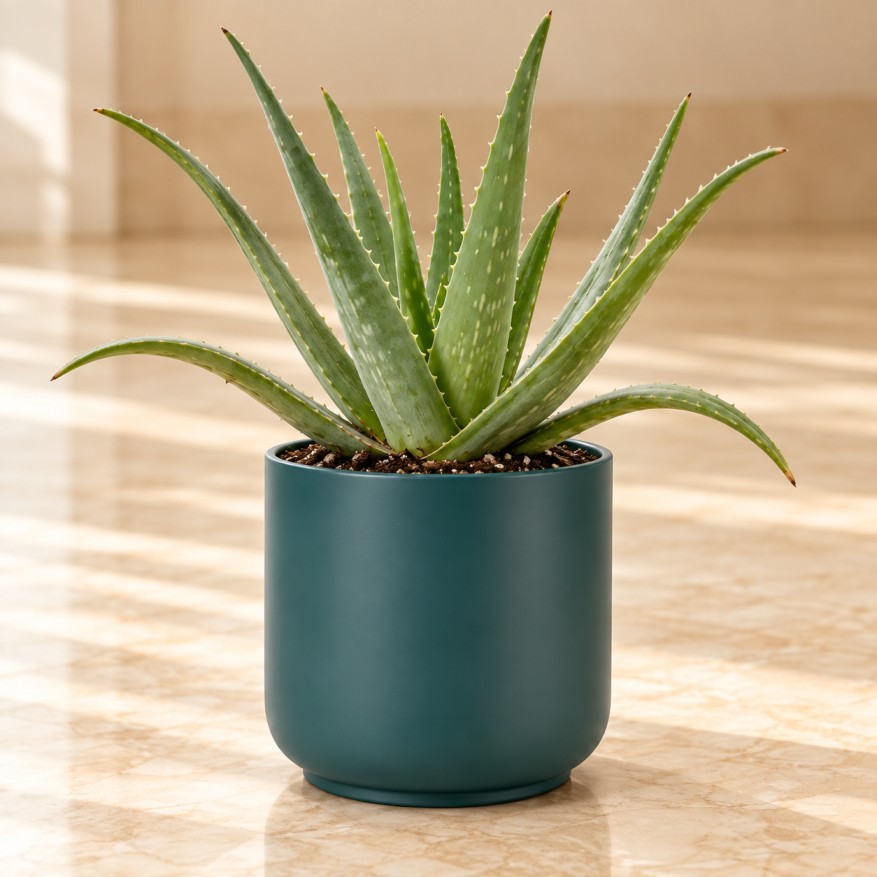
Aloe barbadensis
Water sparingly, allowing soil to dry between waterings
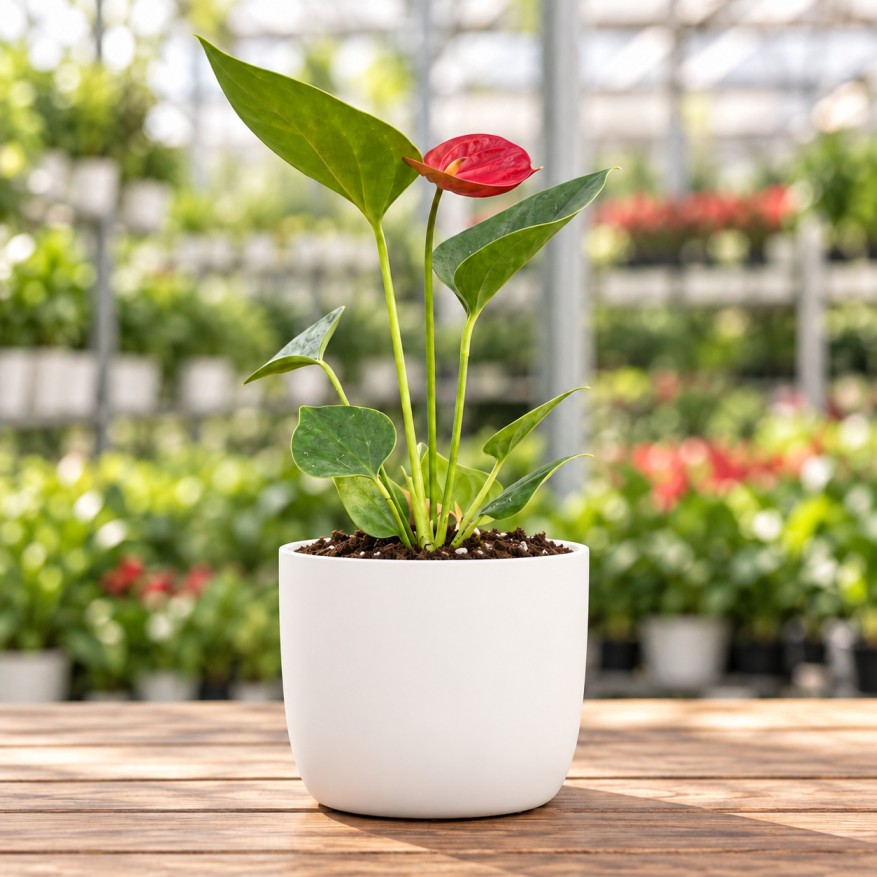
Anthurium andraeanum
Water every 3–5 days when the top inch of soil feels dry. Keep soil consistently moist but never waterlogged. Reduce watering during monsoons.
Next step
Shop curated stock, register it in your garden, and get care reminders tailored to this species.

