Plant guide
Ficus elastica
Rubber Plant
Expert care guidance for a thriving home jungle
Why plant parents love it
The Rubber Plant is a iconic indoor plant loved for its bold, oversized foliage and high-gloss burgundy to dark green leaves. Native to tropical Asia, it thrives remarkably well in Indian homes, offering an effortless way to bring a grand, lush aesthetic into living rooms, corridors, and office spaces.
Besides its dramatic architectural shape, the Rubber Plant is a powerful natural air purifier that helps eliminate common household toxins like formaldehyde. Its tough, rubbery leaves make it resilient against occasional neglect, making it suitable for both beginner and seasoned plant parents.
When placed in bright indoor spots, this plant can grow into a magnificent indoor tree. It handles typical Indian indoor humidity levels effortlessly while adding a touch of natural luxury to modern interior decor.
Ready to grow with CareMyPlant?
Shop a healthy specimen, then unlock care reminders and Plant Doctor support in your garden.
Water
Keep the rhythm simple
Water every 1-2 weeks when the top 2 inches of soil feel dry to touch. Reduce watering during the monsoon and winter seasons.
Light
Find its happy spot
Thrives best in bright, indirect sunlight. Can tolerate gentle morning direct light, but harsh afternoon sun will scorch its broad leaves.
Soil
Roots that breathe
Well-draining, aerated potting mix containing garden soil, coco peat, perlite, and organic compost.
Feed
Gentle growth fuel
Feed with a balanced liquid fertilizer once a month during the growing season (spring and summer). Pause feeding during winter.
Pro tips
Small habits that keep Rubber Plant looking shop-fresh at home.
Stay ahead of trouble
Rubber Plant Leaf Drop
mediumRubber plants (Ficus elastica) are beloved indoor plants across Indian homes due to their thick, glossy foliage. However, they are notoriously sensitive to sudden environmental changes, incorrect watering, and low light, which often leads to stress and rapid leaf shedding. Beginners usually notice lower leaves turning yellow, developing soft brown spots, or dropping off entirely while still green. This is frequently caused by soil remaining soggy for too long, particularly during the monsoon season or in air-conditioned rooms where soil evaporation is slow. To keep your Rubber Plant thriving, ensure it receives bright, indirect sunlight and allow the top 2 to 3 inches of soil to dry out completely between waterings. Avoid moving the plant frequently, as Ficus species dislike sudden changes in location and drafty spots.
Keep exploring
More plant profiles to help you build a thriving indoor jungle.
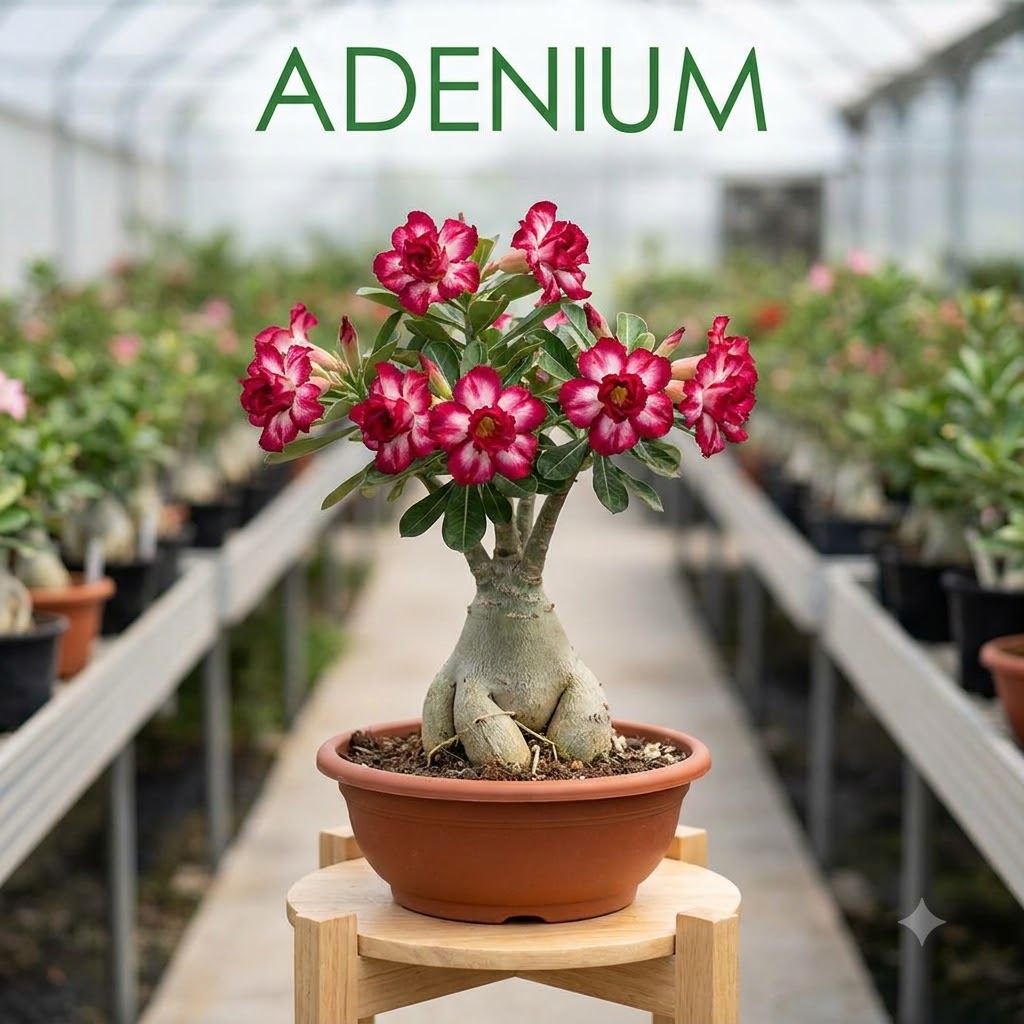
Adenium obesum
Water every 7–10 days in summer and every 15–20 days in winter. Allow the soil to dry completely before watering again.
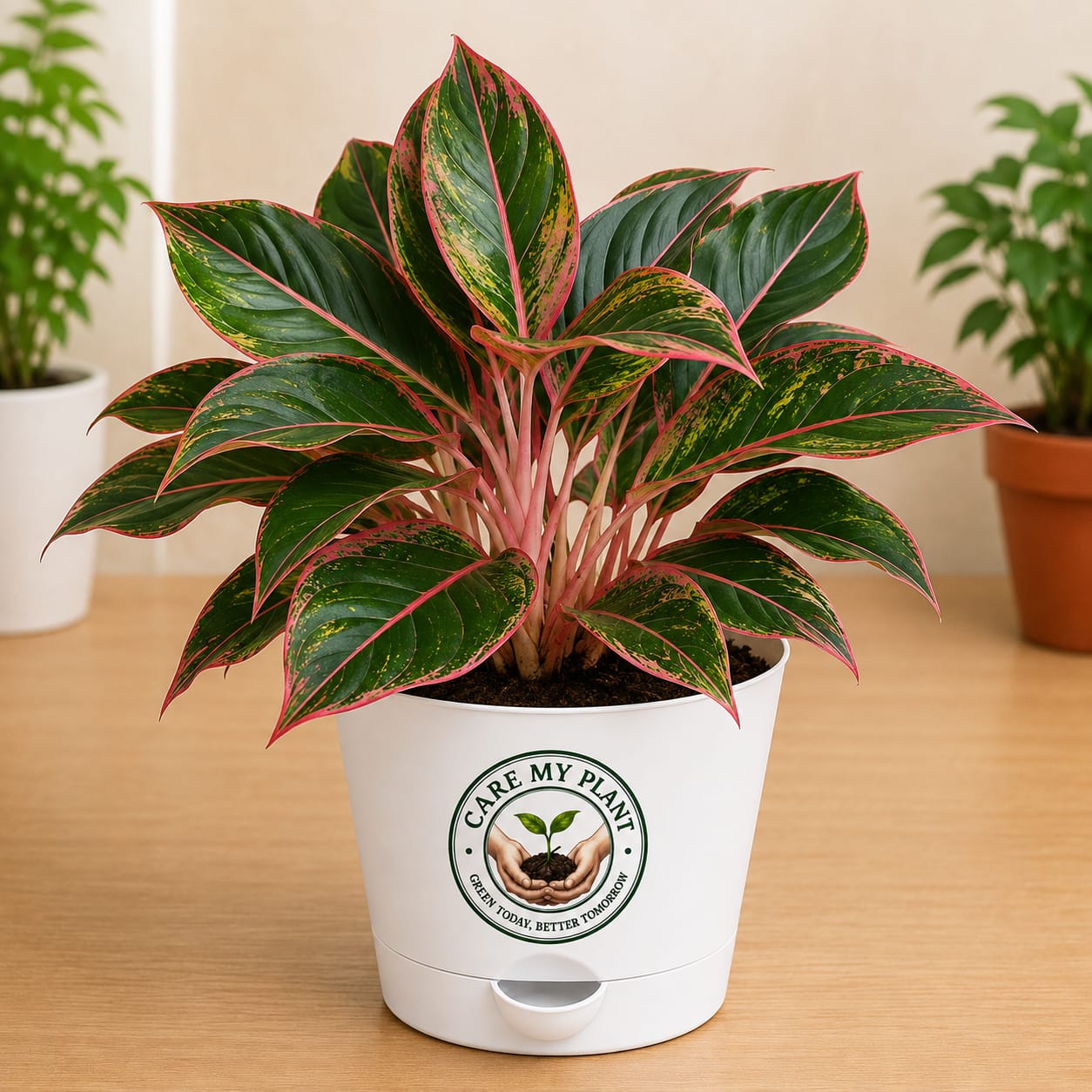
Aglaonema commutatum 'Lipstick'
Water every 5–7 days during summer when the top inch of soil feels dry. Reduce watering to every 10–14 days in winter and monsoon.
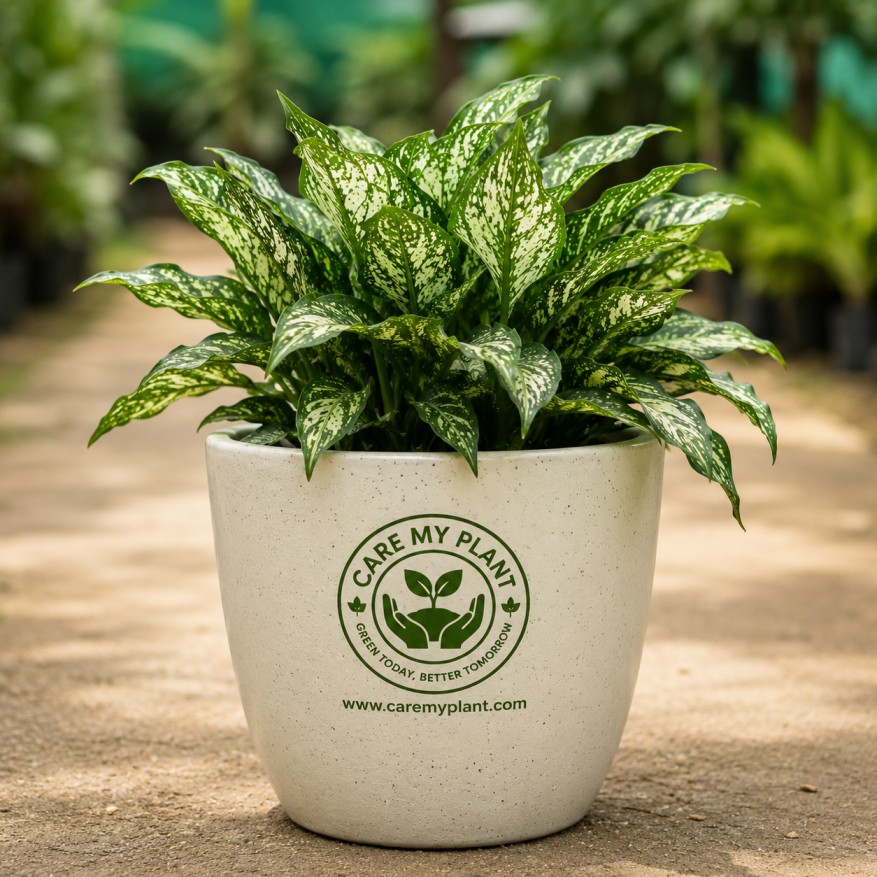
Aglaonema modestum
Water sparingly, allowing soil to dry slightly between waterings
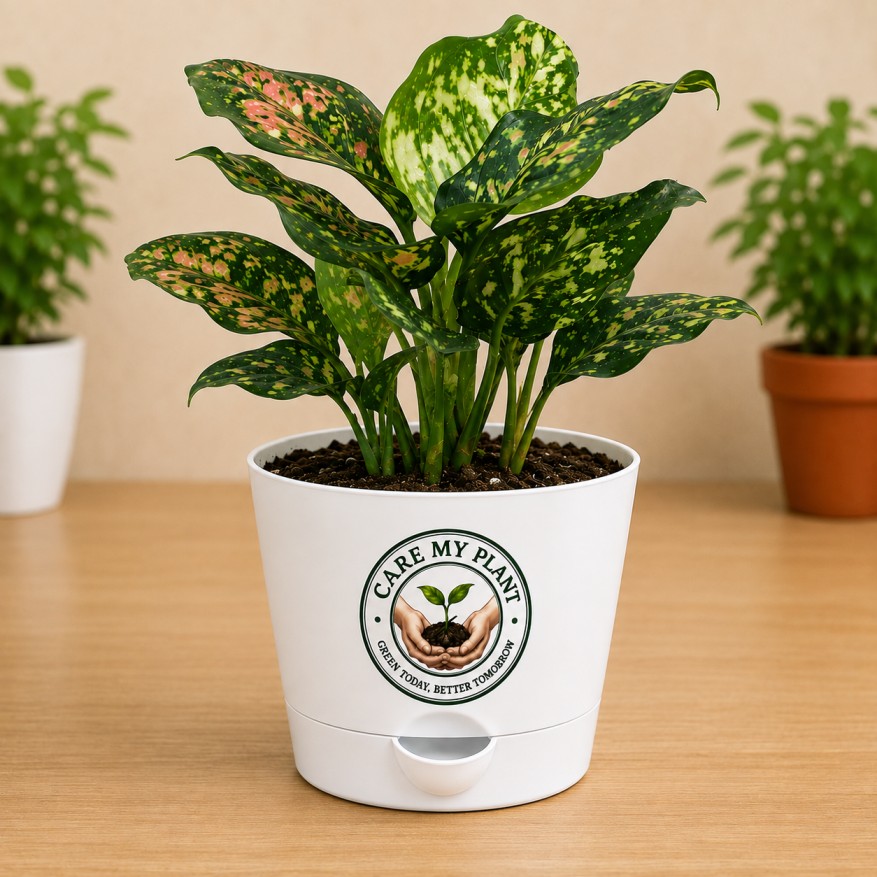
Aglaonema pictum 'Tricolor'
Water every 5-7 days in summer when top 2 inches of soil dry out. Reduce to once every 10-14 days during winter and humid monsoon weeks.
Aloe barbadensis
Water sparingly, allowing soil to dry between waterings
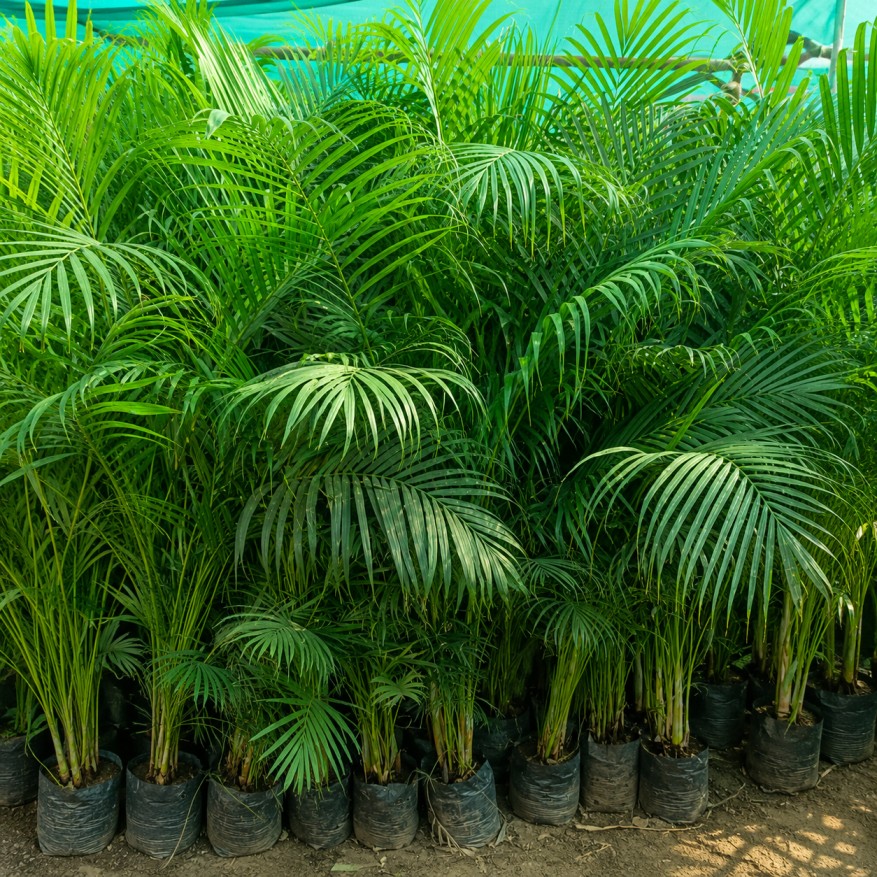
Dypsis lutescens
Moderate, once a week
Next step
Shop curated stock, register it in your garden, and get care reminders tailored to this species.
