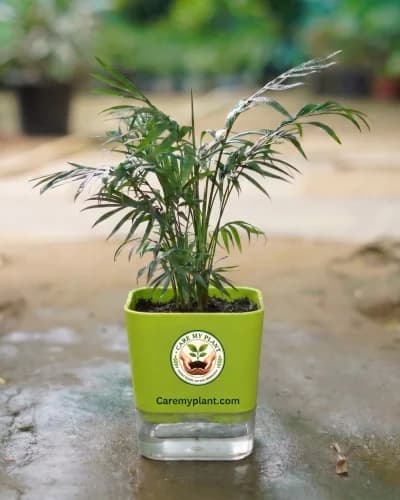
Plant guide
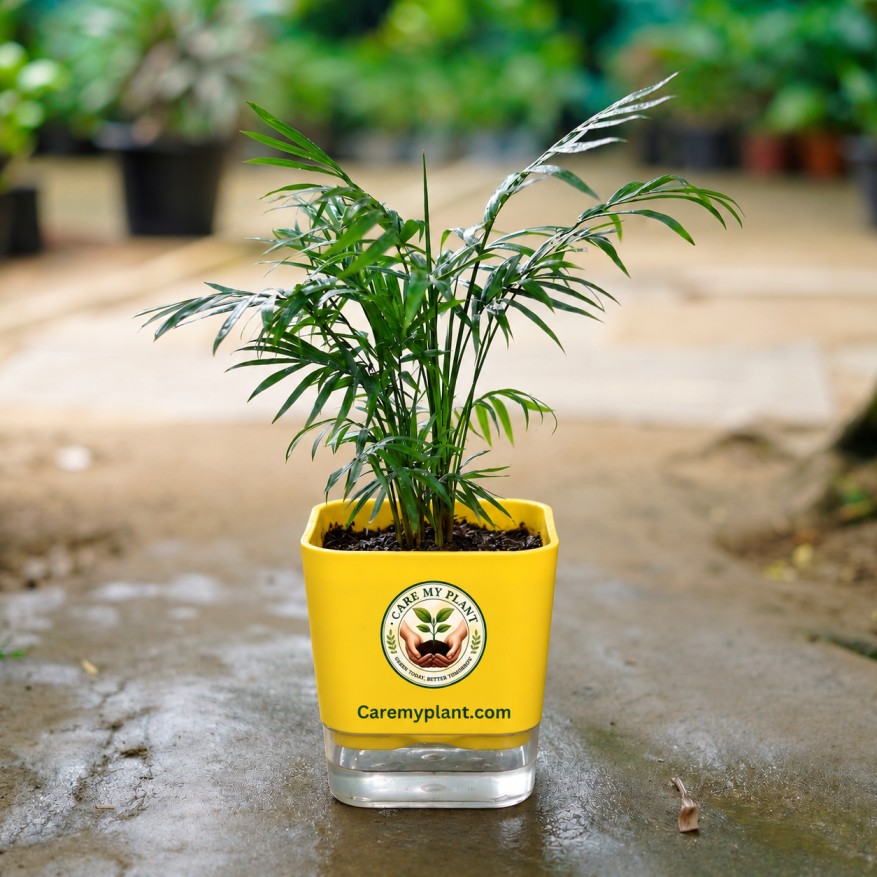
Chamaedorea elegans
Why plant parents love it
The Parlor Palm is one of the most popular indoor palms in the world, cherished for its graceful, feathery fronds and compact growth habit. It grows at a steady, slow pace and remains manageable in size, making it an ideal choice for Indian apartments, office desks, and cozy living room corners.
This resilient palm thrives remarkably well indoors, handling low-light conditions and dry air-conditioned rooms better than most tropical plants. In addition to adding a soft, tropical aesthetic to your space, it actively improves indoor air quality while being completely safe for curious pets.
Ready to grow with CareMyPlant?
Shop a healthy specimen, then unlock care reminders and Plant Doctor support in your garden.
Water
Keep the rhythm simple
Water when the top 1-2 inches of soil feels dry to the touch. Ensure drainage is smooth, and reduce watering during monsoons and winter.
Light
Find its happy spot
Thrives in bright to medium indirect light. Tolerates lower light levels well; keep away from harsh, direct sunlight to prevent leaves from scorching.
Soil
Roots that breathe
Light, well-draining potting mix rich in organic matter. A blend of garden soil, coco peat, and perlite or coarse sand is ideal.
Feed
Gentle growth fuel
Feed once a month during spring and summer using a balanced liquid organic fertilizer diluted to half-strength. Skip in winter.
Pro tips
Small habits that keep Parlor Palm looking shop-fresh at home.
Shop the look
Live plants linked to this guide — healthy stock, ready for your space.
Stay ahead of trouble
Parlor Palm Brown Tips
mediumParlor Palms (Chamaedorea elegans) are popular indoor greenery in Indian homes, but they frequently develop crisp, brown leaf tips. This condition is usually a physiological response to environmental stressors such as low air humidity, irregular watering, or salt buildup from hard municipal tap water rather than a fungal disease. Beginners often notice the outermost tips of the feather-like fronds drying out and turning light brown or dark tan. Over time, these brown edges can spread further down the frond, occasionally accompanied by a thin yellow halo dividing the dead tissue from healthy green leaf matter. In Indian households, dry air from continuous air-conditioning during hot summers and dry winter spells are primary triggers. Additionally, overwatering during the monsoon when drying times slow down can rot delicate roots, preventing moisture from reaching the leaf tips. Using RO water or settled tap water and keeping the plant away from direct AC drafts helps keep fronds lush and vibrant.
Keep exploring
More plant profiles to help you build a thriving indoor jungle.
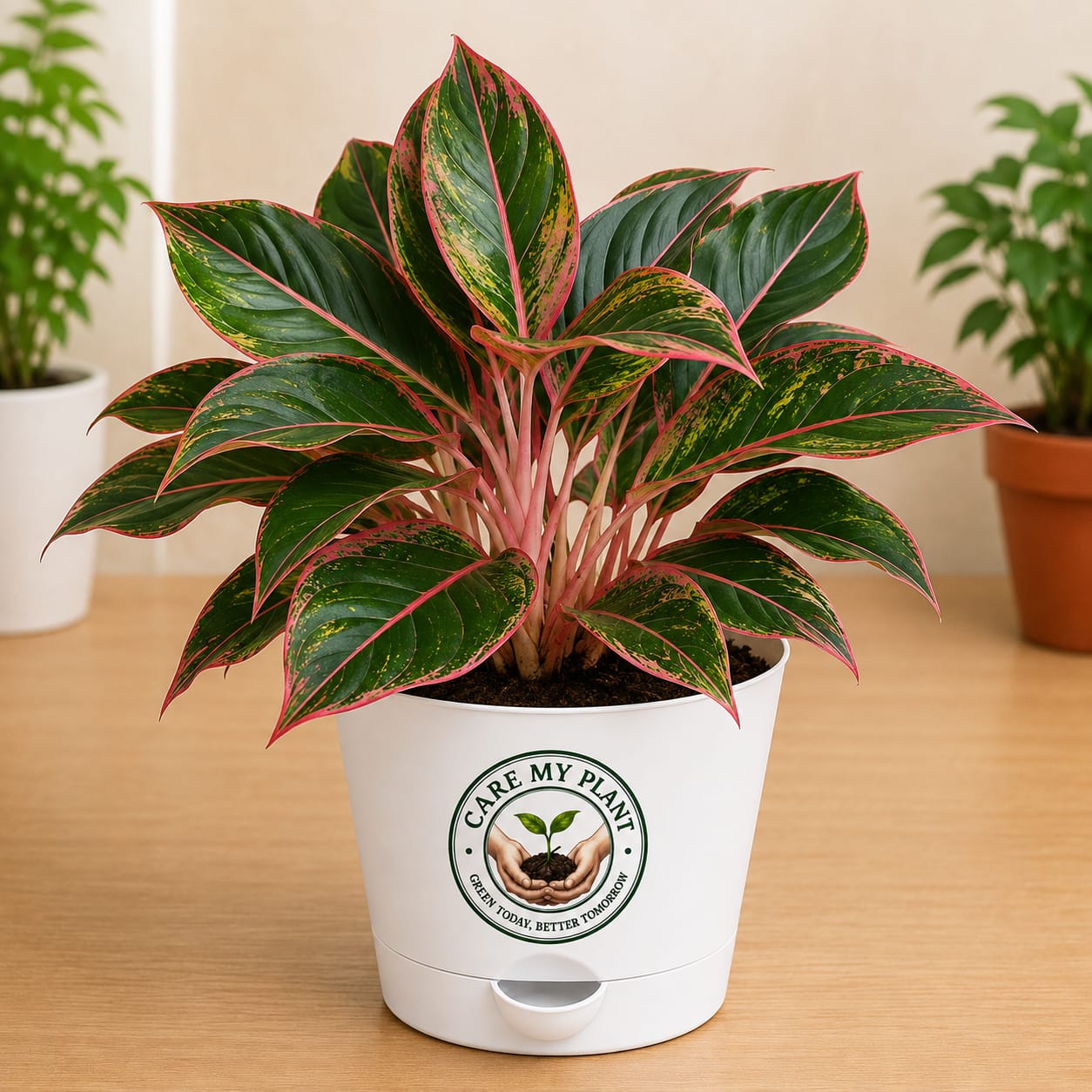
Aglaonema commutatum 'Lipstick'
Water every 5–7 days during summer when the top inch of soil feels dry. Reduce watering to every 10–14 days in winter and monsoon.
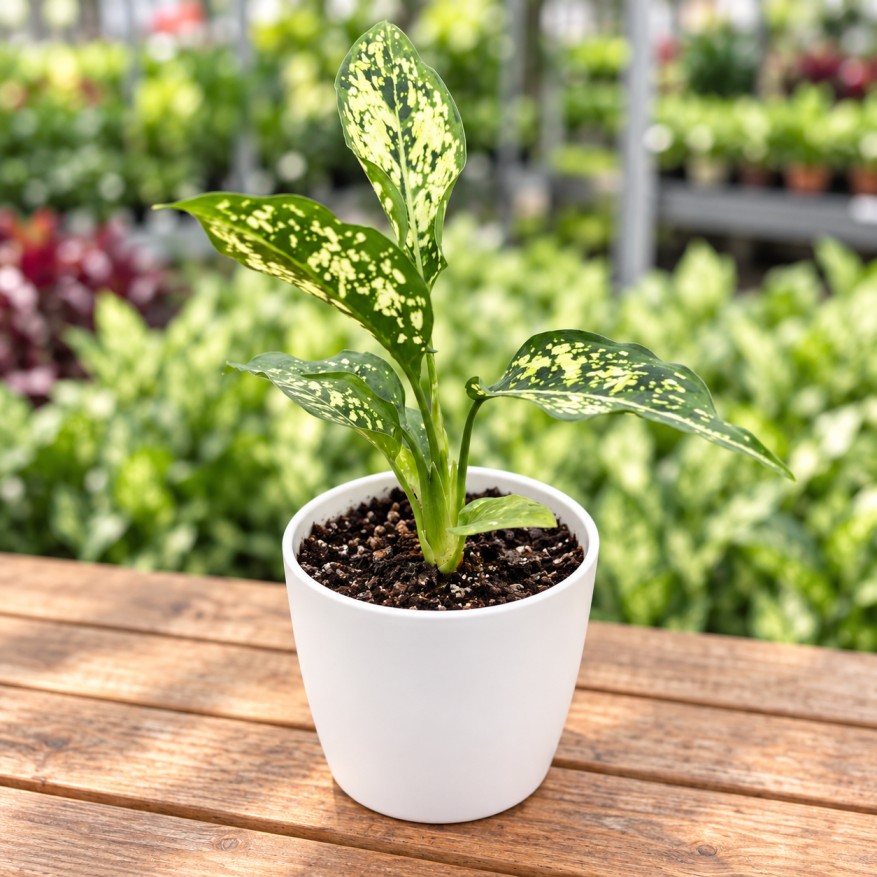
Aglaonema modestum
Water sparingly, allowing soil to dry slightly between waterings
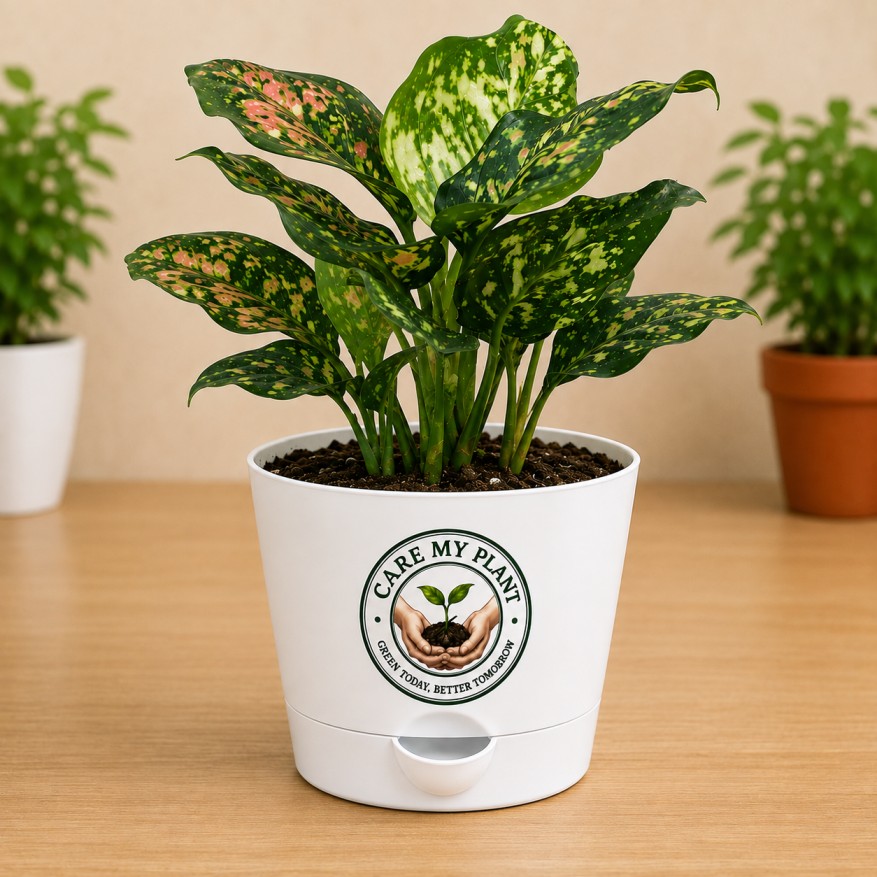
Aglaonema pictum 'Tricolor'
Water every 5-7 days in summer when top 2 inches of soil dry out. Reduce to once every 10-14 days during winter and humid monsoon weeks.
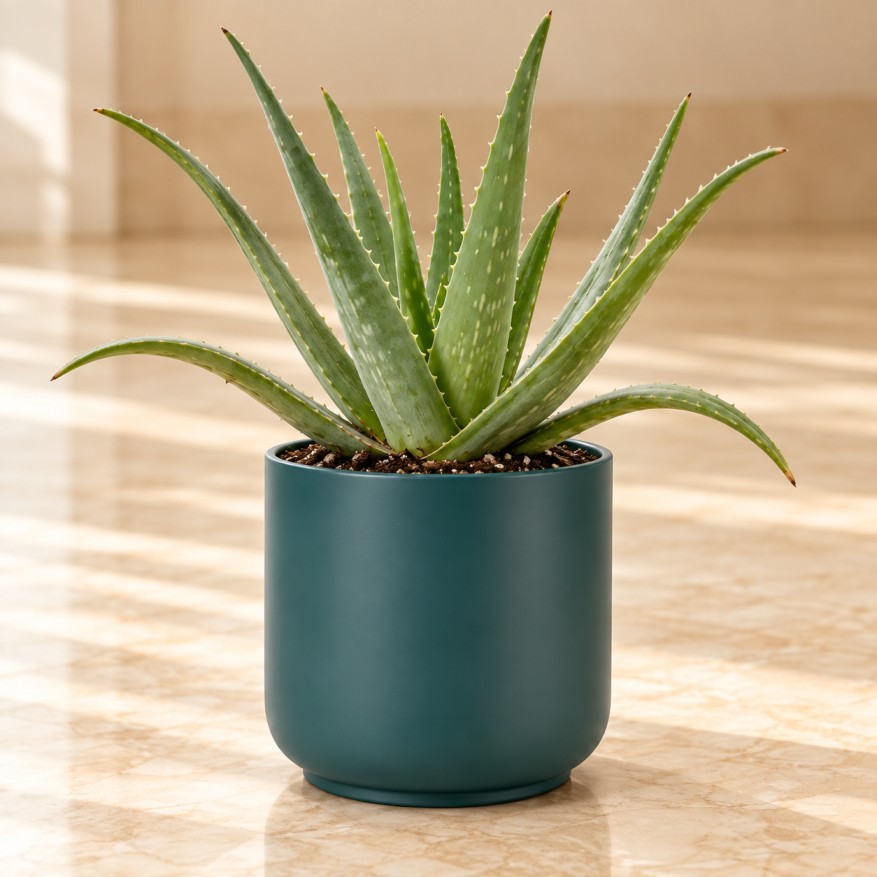
Aloe barbadensis
Water sparingly, allowing soil to dry between waterings
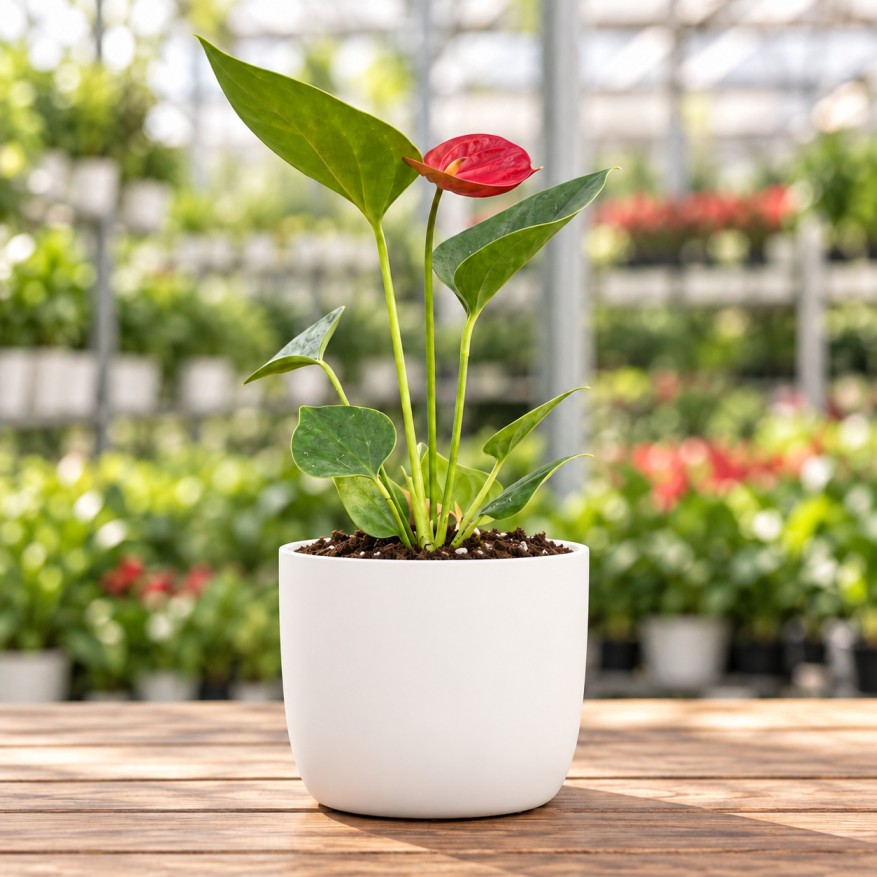
Anthurium andraeanum
Water every 3–5 days when the top inch of soil feels dry. Keep soil consistently moist but never waterlogged. Reduce watering during monsoons.
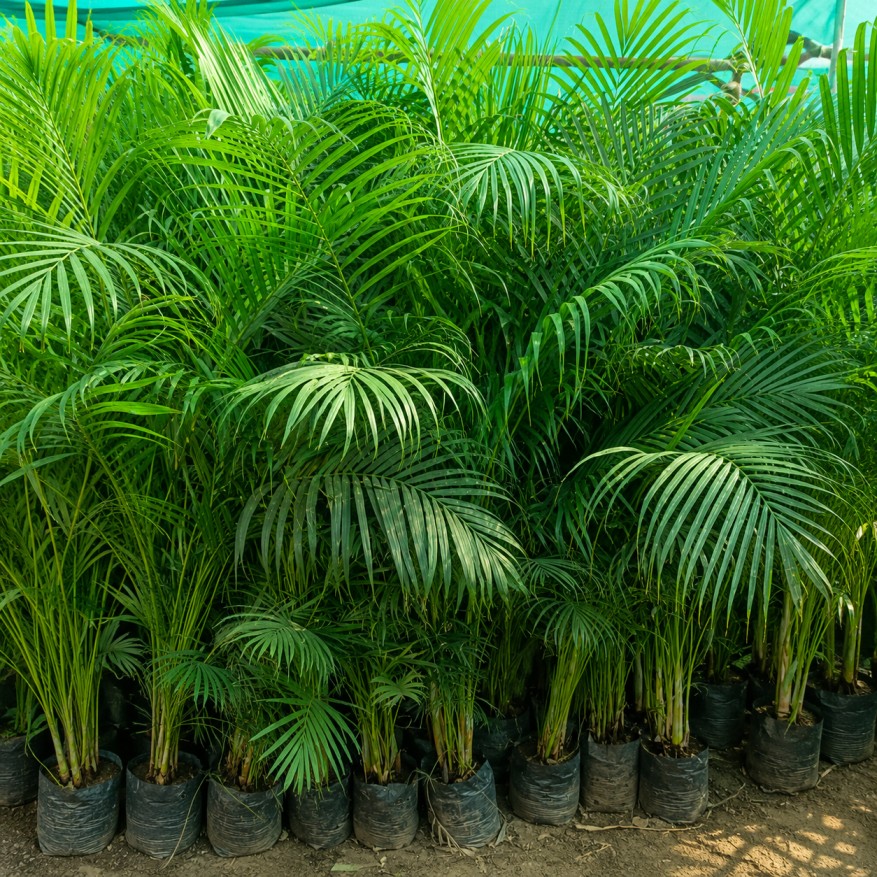
Dypsis lutescens
Moderate, once a week
Next step
Shop curated stock, register it in your garden, and get care reminders tailored to this species.