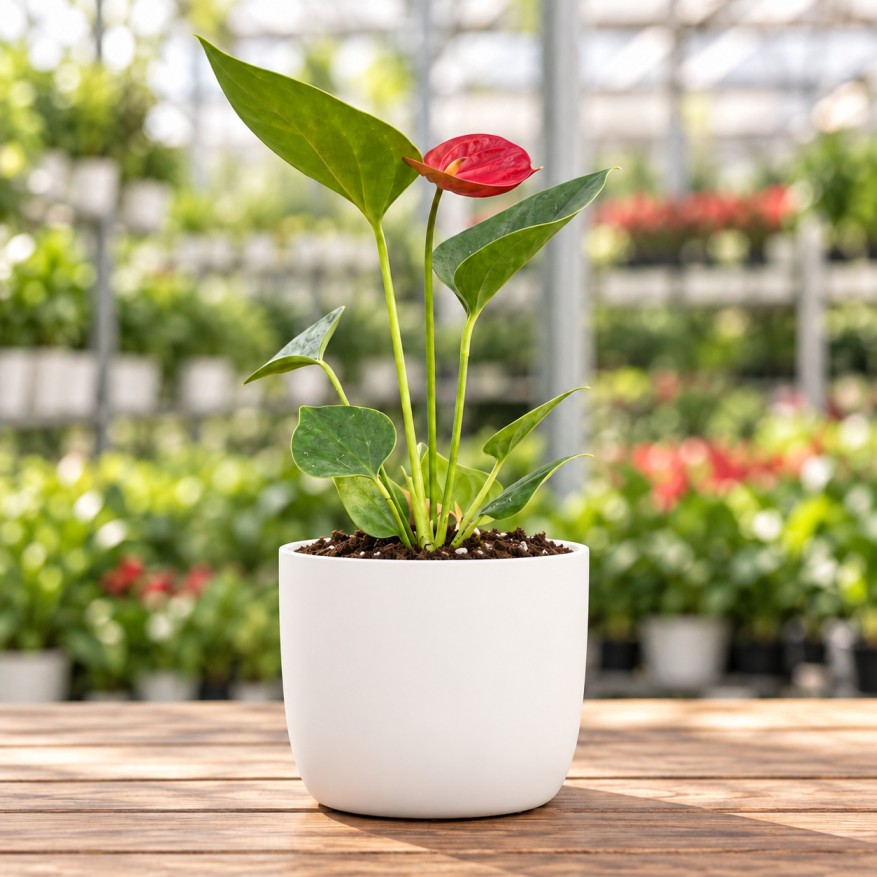
Plant guide
Monstera adansonii

Why plant parents love it
Monstera Adansonii, commonly known as the Swiss Cheese Vine or Broken Heart Plant in India, is a popular tropical houseplant celebrated for its unique, perforated fenestrated leaves. Its distinct heart-shaped foliage with natural oval holes adds an instant lush, jungle aesthetic to any indoor space.
Highly adaptable to Indian tropical climates, this fast-growing vine can be trained to climb up a moss pole or allowed to trail gracefully from a hanging basket. It is an ideal pick for bright living rooms, covered balconies, and office nooks.
Beyond its striking decorative charm, this plant actively purifies indoor air by filtering ambient toxins, making it a functional and beautiful addition to contemporary homes.
Ready to grow with CareMyPlant?
Shop a healthy specimen, then unlock care reminders and Plant Doctor support in your garden.
Water
Keep the rhythm simple
Water thoroughly when the top 1-2 inches of soil feel dry to the touch. In hot Indian summers, water 2-3 times a week; reduce during the monsoon and winter. Avoid waterlogging.
Light
Find its happy spot
Thrives in bright, indirect sunlight. Can tolerate medium light, but direct harsh sunlight will scorch the perforated leaves.
Soil
Roots that breathe
Well-draining, chunky potting mix. A blend of coco peat, perlite, compost, and coarse sand or orchid bark is ideal.
Feed
Gentle growth fuel
Feed monthly during spring and summer using a balanced liquid seaweed or nitrogen-rich indoor plant fertilizer. Pause in winter.
Pro tips
Small habits that keep Monstera Adansonii looking shop-fresh at home.
Shop the look
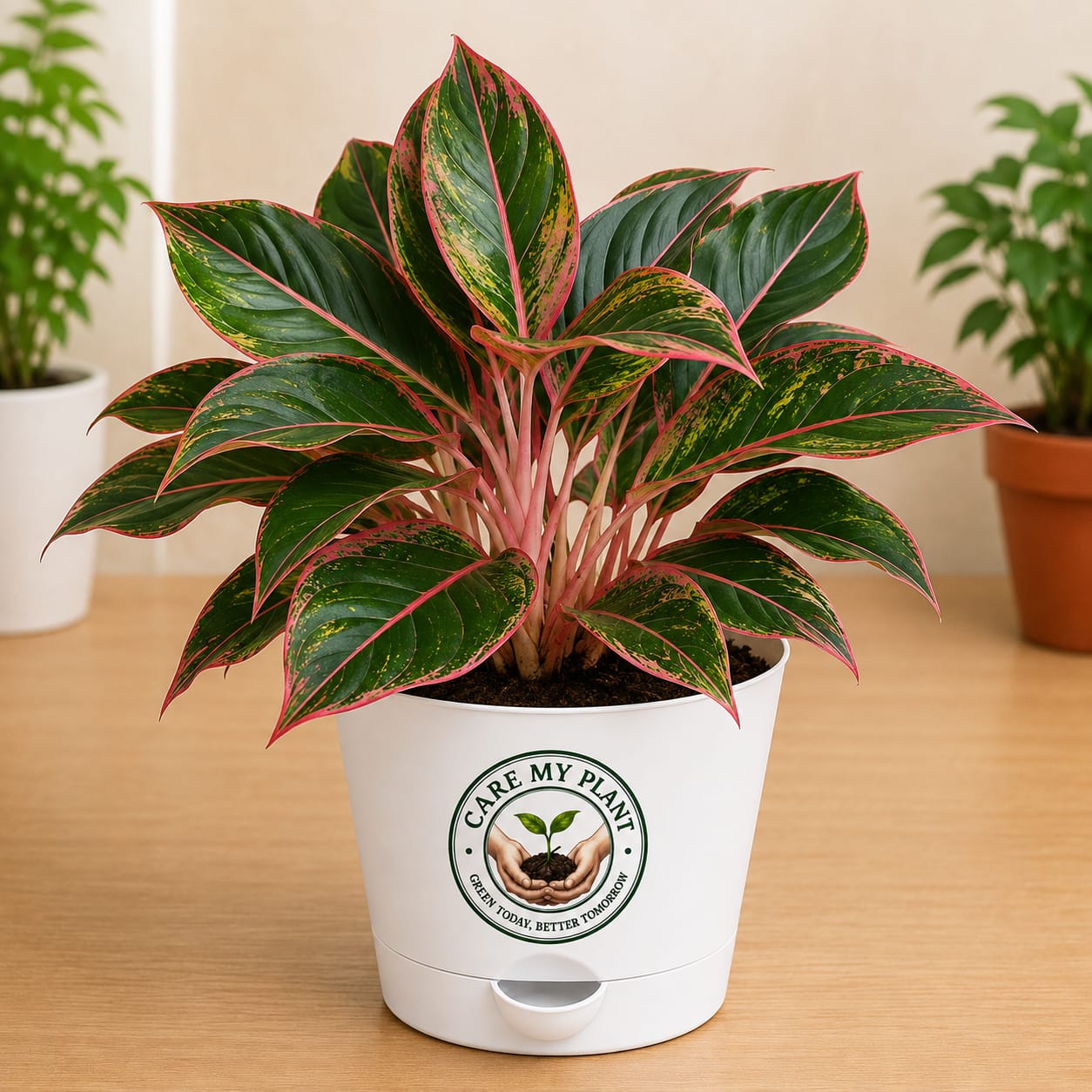
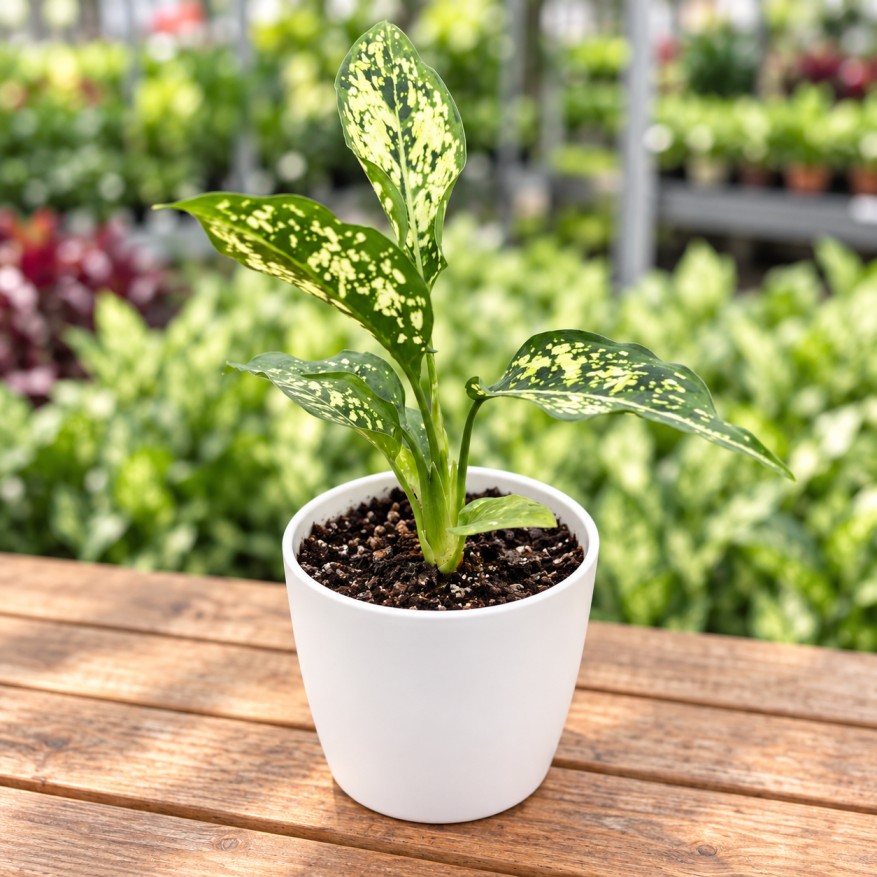
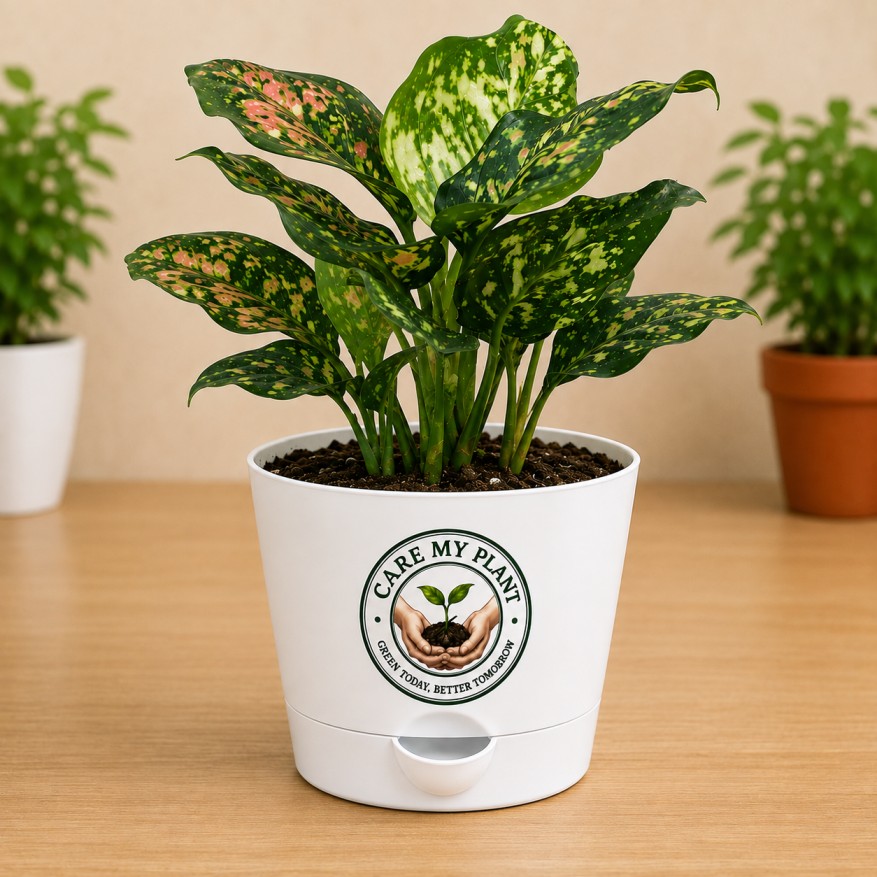
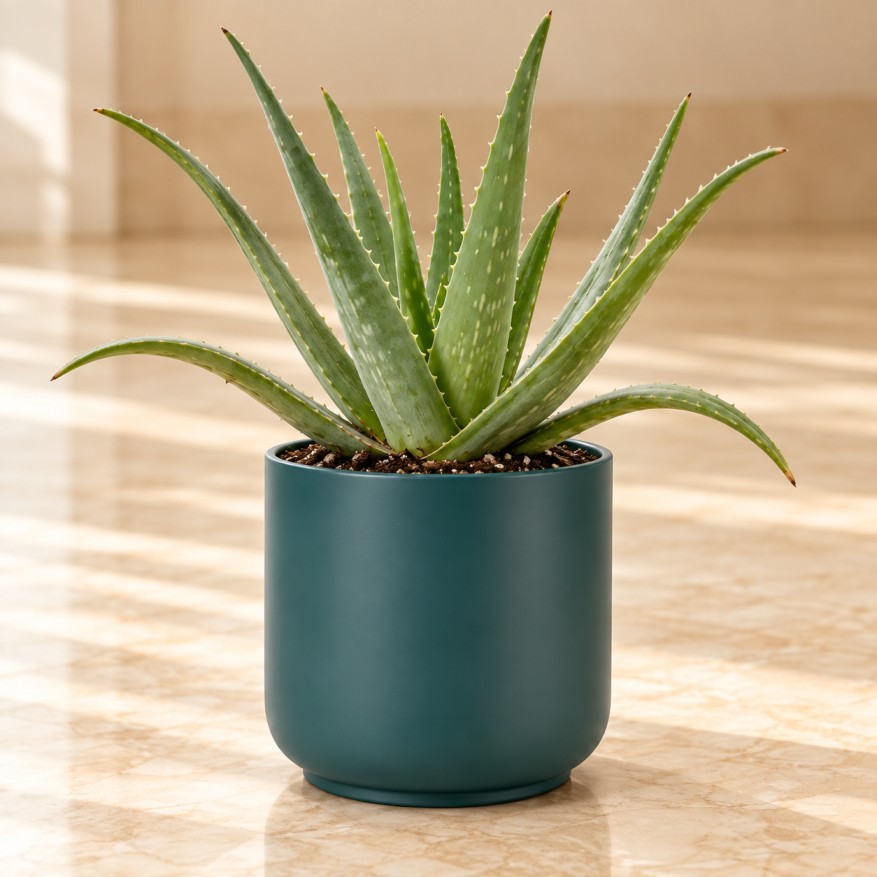
Live plants linked to this guide — healthy stock, ready for your space.
Stay ahead of trouble
Monstera Adansonii Leaf Yellowing
mediumMonstera adansonii, popularly known as the Swiss Cheese Vine, frequently suffers from leaf yellowing and fungal leaf spot due to improper watering, poor soil aeration, or nutrient imbalances. Beginners usually notice lower leaves turning bright yellow, crisp brown edges around fenestrations (holes), or soft watery patches spreading across the foliage. In Indian households, this condition commonly flares up during the heavy monsoon season when soil stays waterlogged for prolonged periods due to high humidity. Conversely, keeping the vine in air-conditioned living rooms without adequate humidity can cause root shock and stress-induced chlorosis. Managing your Swiss Cheese Vine requires a light, chunky potting mix and careful moisture management tailored to your local climate and indoor placement.
Keep exploring
More plant profiles to help you build a thriving indoor jungle.
Next step
Shop curated stock, register it in your garden, and get care reminders tailored to this species.